
Last updated November 23, 2026
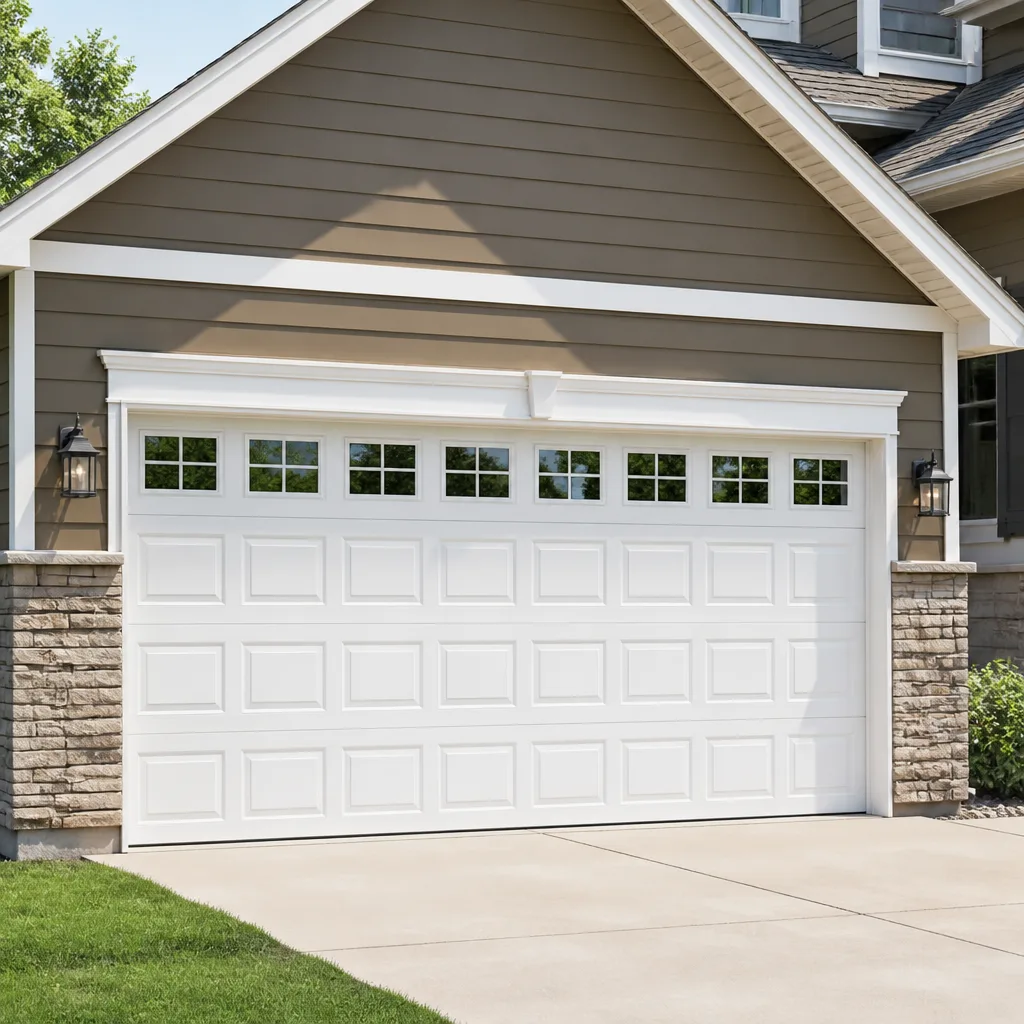 Raised-panel steel
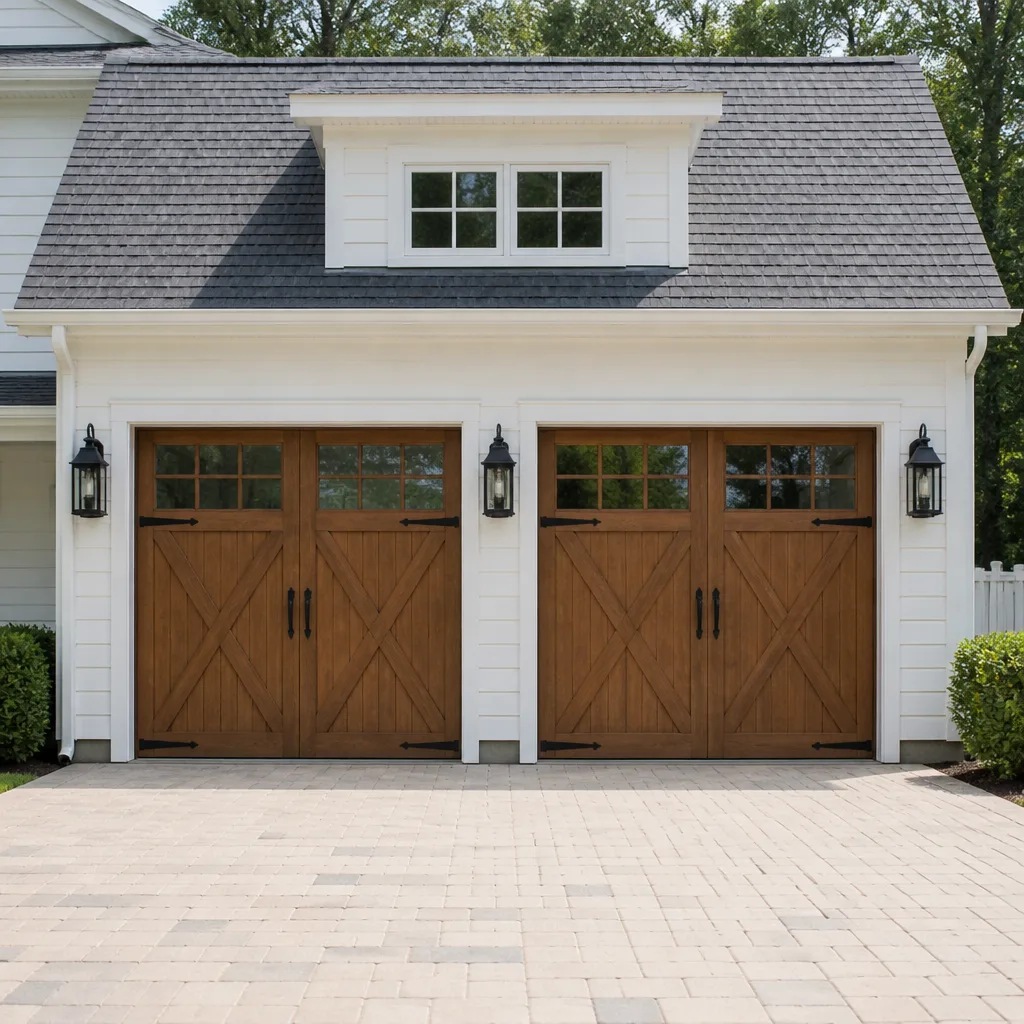 Carriage house
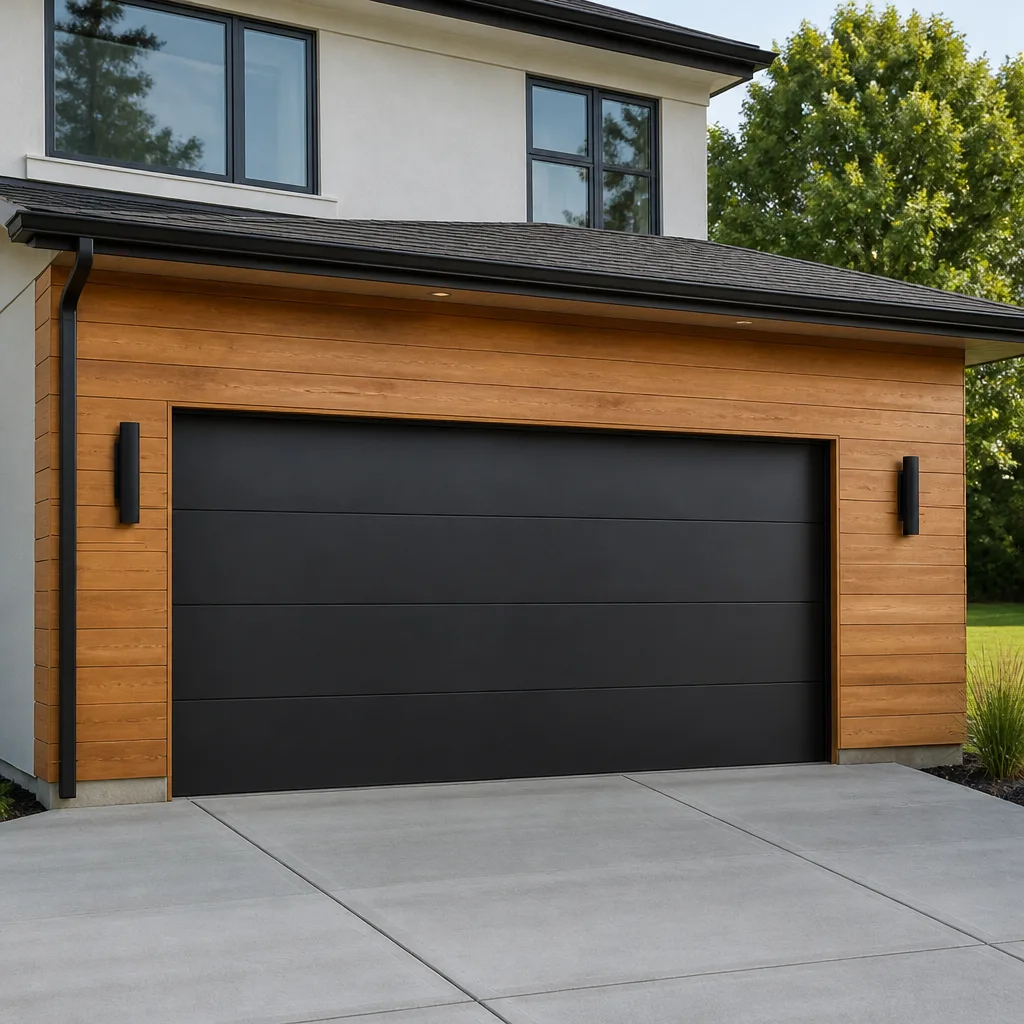 Modern flush
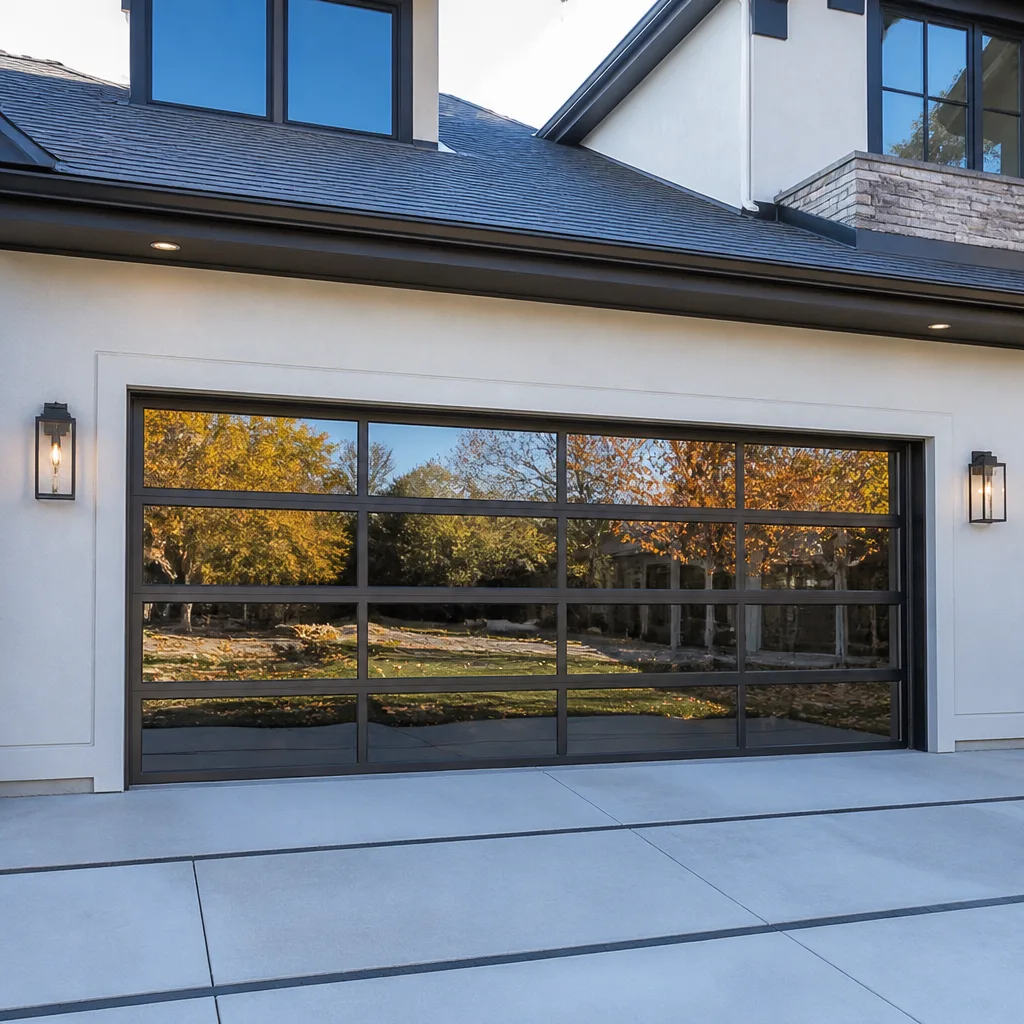 Full-view glass
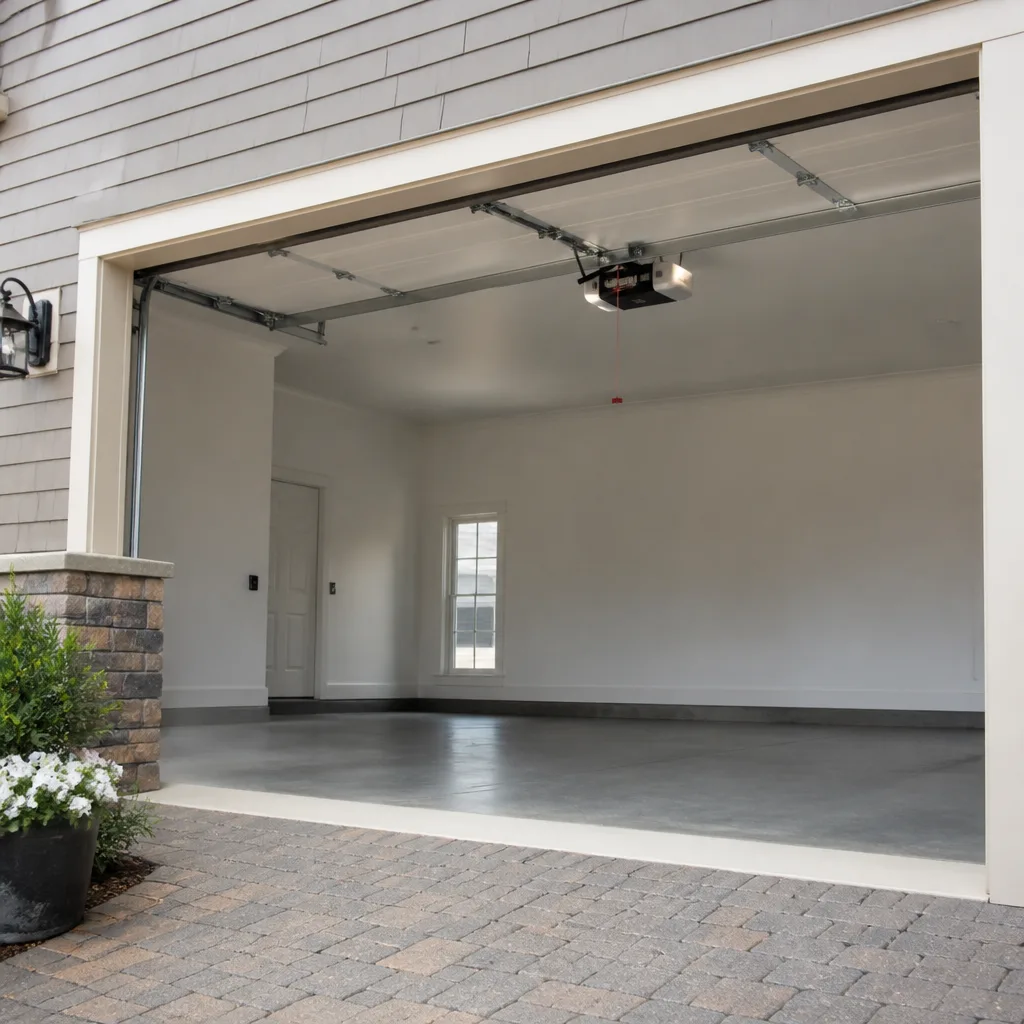 LiftMaster openers
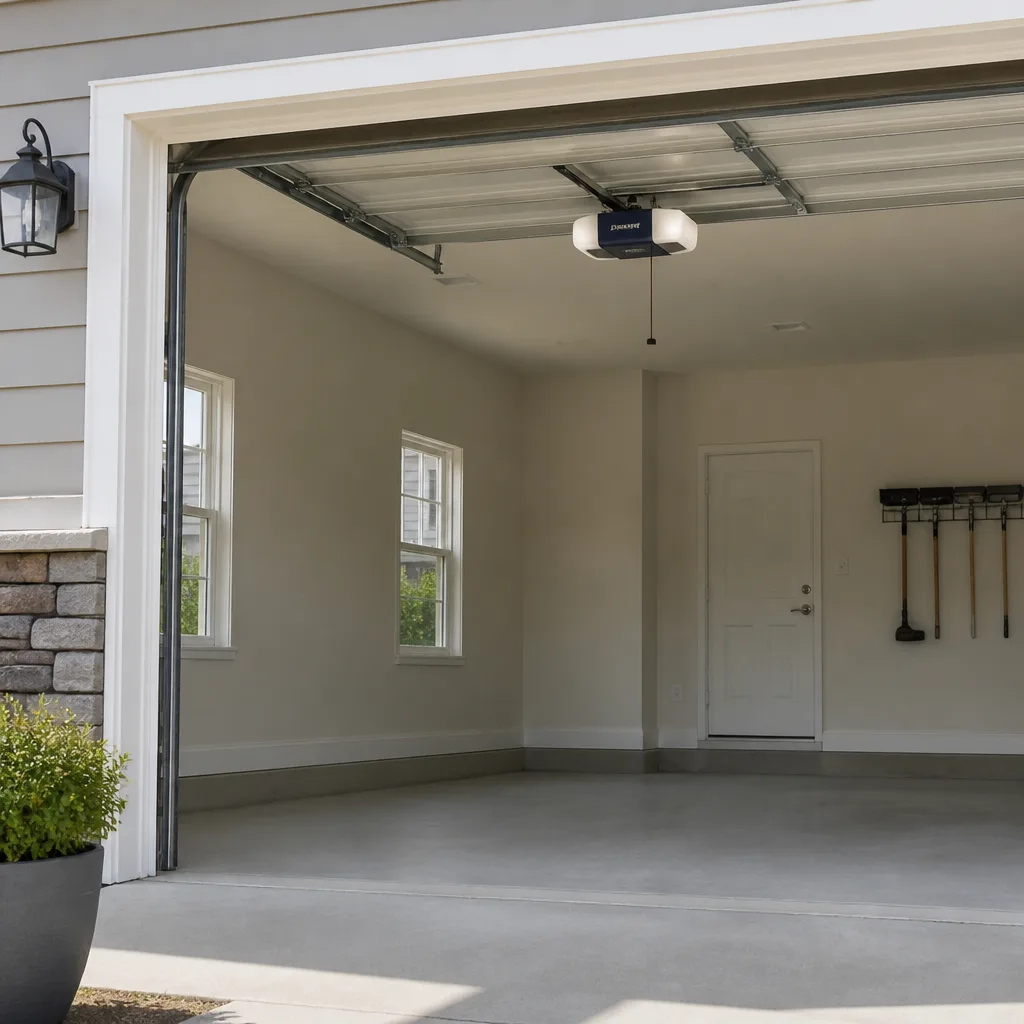 Chamberlain openers
Full 25-point door and opener safety check with every visit - springs, cables, rollers, tracks, and your LiftMaster or Chamberlain opener included
You get a price before we start. It does not change when the pro arrives.
Get your free estimateChoosing the Right Garage Door Brand: A Buyer’s Guide for Squirrel Hill
Here’s the thing most brand guides won’t tell you: the name stamped on your garage door panel matters less than the hardware hanging behind it. A Clopay door fitted with generic overseas springs and an off-brand cable drum will outlast neither a Wayne Dalton nor an Amarr built with correct-spec components. We see this every week in Squirrel Hill, where a door that looks premium from the curb is quietly chewing through cheap torsion hardware on the inside. This guide is written from the repair side of the business, not the sales floor. It covers which brands hold up, which parts stay available years down the road, and where installation quality quietly decides everything.
Quick Answer
For most Squirrel Hill homeowners, the best garage door brand is the one whose hardware you can still get serviced five years from now. Clopay and Amarr lead on steel gauge and insulation options, Wayne Dalton is solid on value and finish, and Craftsman-branded openers are easy to keep running because the parts network is deep. The brand on the panel matters, but the springs, drums, and opener logic board decide whether the door still works in year seven.
Styles & brands we work with
- Raised-panel steel
- Carriage house
- Modern flush
- Full-view glass
- LiftMaster openers
- Chamberlain openers
Table of Contents
- Why the Brand on the Panel Is Only Half the Story
- Steel Gauge Reality: 24-Gauge vs. 25-Gauge in Squirrel Hill
- Clopay vs. Amarr vs. Wayne Dalton: A Frank Comparison
- Insulation Options and Pittsburgh Humidity
- Opener Brands From a Service Perspective
- What “Lifetime Warranty” Actually Covers
- Dealer-Installer vs. Big-Box Store
- How to Choose Your Brand: A Step-by-Step Process
Why the Brand on the Panel Is Only Half the Story
A garage door is a system, not a single product. The panel is the visible layer, but the thing that decides whether the door opens smoothly in February is the torsion spring, the cable, the drum, the hinges, and the bottom bracket. Manufacturers source those components from different suppliers, and two doors with the same brand name can ship with hardware from wildly different quality tiers depending on the model line and the channel they were bought through.
In Squirrel Hill, we see this play out constantly. The neighborhood’s mix of older brick homes and mid-century rebuilds means garage openings vary in width and headroom, and a door that was spec’d for a standard opening can end up stressed when it’s squeezed into a tight one. Alley-access garages, common on the blocks off Forbes and Murray, create another pressure point: tight turns mean more scrapes and dings, which means panel finish and steel gauge become more than cosmetic concerns.
So when we evaluate a brand, we’re not looking at the showroom photo. We’re looking at:
- Whether the torsion springs are matched to the door weight or sized by rule of thumb
- Whether the cable drums have proper set screws or cheap stamped collars
- Whether hinges and rollers are rated for the door’s cycle count
- Whether the finish system survives humidity swings without blistering
- Whether replacement parts are still manufactured three to five years later
That last point matters more than any homeowner expects. A door that’s beautiful on day one but impossible to service in year six is a liability, not an upgrade. If you’re already weighing a full door replacement, our Garage Door Repair Squirrel Hill team can walk you through what your specific opening will actually need.
Steel Gauge Reality: 24-Gauge vs. 25-Gauge in Squirrel Hill
Here’s a detail most brand guides skip: the steel gauge of a garage door panel is the single biggest factor in how it dents. A 24-gauge panel is thicker and more dent-resistant than a 25-gauge panel, and in a neighborhood where garages face tight alley approaches, the difference shows up fast. On paper, one gauge sounds trivial. In practice, the thinner panel carries a permanent dent from a bicycle handle or a trash can, while the thicker one absorbs it.
Panel gauge varies by model line, not by brand alone. Clopay, Amarr, and Wayne Dalton all offer doors in both 24- and 25-gauge, and the budget lines within each brand are usually where the thinner steel lives. Wayne Dalton’s entry-level doors often use 25-gauge; their mid-tier and above tend to step up to 24. Clopay and Amarr are similar, with premium lines running 24-gauge or thicker steel and the value lines running thinner.
What does this mean for a Squirrel Hill homeowner? If your garage opens onto an alley – and many in Squirrel Hill do – you want 24-gauge as your floor, not your upgrade. The extra cost over a 25-gauge door is modest, and the dent resistance is meaningful. If your garage opens onto a driveway with plenty of clearance and little traffic beside it, 25-gauge is a reasonable budget choice.
What to check before you buy:
- Ask the seller for the panel steel gauge, in writing, for the specific model you’re buying.
- Confirm whether the gauge applies to the entire panel or just the face vs. the rails.
- Check whether the door uses steel backer plates at the hinges, or whether hinges attach directly to the panel face.
- Ask how the door’s hardware kit is spec’d – is the spring sized to the door weight, or is it a generic kit?
- Look at the finish system: a baked-on factory finish outlasts any paint applied later.
We’ve pulled enough dented 25-gauge panels off Squirrel Hill doors to know the gauge question is worth the minute it takes to ask. The steel is the skeleton. Everything else hangs on it.
Clopay vs. Amarr vs. Wayne Dalton: A Frank Comparison
These three brands come up most often when a Squirrel Hill homeowner is comparing doors, and each has a distinct personality once you’ve worked on it.
Clopay offers the widest range of styles and the deepest parts network. Their premium lines are solid on steel gauge and insulation, and replacement panels are usually available for years after a model change. The catch is that Clopay’s budget lines are genuinely budget – thinner steel, lighter hardware – and the price difference between a Clopay value door and a Clopay premium door is not obvious from the showroom photo. If you’re buying Clopay, ask which line, specifically.
Amarr tends to spec hardware more consistently across its line, and their mid-tier doors often ship with better spring and drum hardware than comparably priced doors from other brands. Their finish systems hold up well in humidity. The trade-off is a slightly narrower style range than Clopay, which matters mostly if you’re matching a specific architectural look.
Wayne Dalton is the value player in this group. Their entry doors are reasonably constructed for the price, and their hardware is serviceable. The structural concern on the entry lines is typically the panel gauge, not the hardware. Wayne Dalton’s mid-tier doors closed that gap, and their finish systems are decent. If you’re looking at Wayne Dalton, the question to ask is which model line, and whether the spec sheet matches the door you’re being shown.
A quick side-by-side on the factors that matter for service life:
- Steel gauge: Clopay and Amarr offer 24-gauge on more of their line than Wayne Dalton does; Wayne Dalton’s 24-gauge starts higher up the model range.
- Hardware quality at a given price: Amarr tends to spec hardware better than comparably priced doors from Clopay or Wayne Dalton.
- Parts availability downstream: Clopay leads, Amarr is close behind, Wayne Dalton is generally available but with occasional gaps on entry-level model parts.
- Style range: Clopay wins; Amarr and Wayne Dalton are solid but narrower.
- Value at the entry level: Wayne Dalton, provided you accept the thinner steel on entry models.
None of these brands is universally best. The honest answer is that the best garage door repair outcomes come from matching the model line to the actual conditions at your opening, not from the brand name on the box.
Insulation Options and Pittsburgh Humidity
Insulation matters in Squirrel Hill for two reasons: comfort and condensation. Pittsburgh’s summer humidity swings push warm, wet air against the inside face of a garage door, and a door without insulation will sweat on the interior, then drip onto the floor and whatever you’re storing. Insulated doors also cut street noise and hold the space warmer in winter, which matters if the garage shares a wall with the house.
Two insulation types dominate the market:
- Polystyrene: A rigid foam board, cheaper, decent R-value per inch, but it can break down at the edges and doesn’t bond as cleanly to the panel face. Common in entry-level insulated doors.
- Polyurethane (often CFC-free): Foamed in place between the steel skins, denser, higher R-value per inch, and structurally it adds rigidity to the panel. Common in mid-tier and premium doors.
The difference in a Pittsburgh climate is meaningful but not dramatic. A well-built polystyrene door will outperform a poorly built polyurethane door every time, because the bond between foam and steel matters more than the foam itself. What you want to check is whether the insulation fills the panel cavity fully or only partially, and whether the door is rated as insulated across the full panel, not just in the middle sections.
For a Squirrel Hill garage where you’ll be storing anything sensitive to humidity – tools, bikes, a second refrigerator – the polyurethane door is worth the upgrade. For a detached garage used only for parking, polystyrene is fine. Either way, ask the seller to confirm the insulation type in writing, since the marketing language on some doors is loose about it.
Opener Brands From a Service Perspective
Openers fail in predictable ways, and the brand determines how easy (or how expensive) that failure is to fix. From a service perspective, the categories break down like this:
LiftMaster, Chamberlain, and Craftsman are the same corporate family (Chamberlain Group). Parts are widely available, and the logic boards are generally repairable or replaceable without swapping the whole unit. In our experience, a LiftMaster or Chamberlain opener with a failed logic board can often be brought back to life for far less than the cost of a new unit. Craftsman-branded openers share most of the internal architecture, which means the same parts network applies.
Genie has its own proprietary systems and its own parts network. The parts are available, but not always at the local hardware store, so a repair that would be same-day on a LiftMaster can take longer on a Genie if the specific component needs ordering. The product itself is solid.
Raynor is less common in Squirrel Hill but shows up on some older installations. Parts are available; the local availability is thinner than for the Chamberlain Group brands.
What this means for you: if you’re buying a new opener, LiftMaster or Chamberlain (or the equivalent Craftsman) gives you the deepest parts and repair network in this area. If you already own a Genie or a Raynor, you’re not stuck – the repair is possible, just call earlier. Our garage door opener repair team works within the proprietary systems of all of these brands.
What “Lifetime Warranty” Actually Covers
“Lifetime warranty” is one of the most misread phrases in the garage door market. It almost never means what a homeowner expects. Here’s how the warranty structure actually breaks down by brand:
- Panel warranty: Almost universally the strongest component. Clopay, Amarr, and Wayne Dalton all offer long panel warranties on premium lines, often limited lifetime. This covers delamination, cracking, and finish failure on the panel itself – not the hardware.
- Hardware warranty: Shorter, usually 3 to 10 years depending on model. Covers springs, hinges, rollers, and track. Springs are often the shortest-lived component and sometimes excluded from the longest coverage.
- Finish warranty: Covers paint adhesion, fading, and rust-through, usually for a defined term separate from the panel structural warranty. The finish warranty is what gets voided fastest by improper installation or by painting over the factory finish.
- Opener warranty: LiftMaster and Chamberlain typically offer a defined motor warranty plus a shorter parts warranty, and length varies by model.
Here’s the part most brand guides skip: many warranty claims require documentation that the door was installed by a dealer or licensed installer following factory spec. A door bought at a big-box store and self-installed may have a valid panel warranty but a voided finish warranty if the claim traces back to installation error. If warranty coverage matters to you, ask before you buy what documentation the manufacturer requires for a claim, and keep the installation paperwork.
We meet homeowners in Squirrel Hill who bought a “lifetime warranty” door and later found the claim denied on a technicality. The warranty is only as strong as the paper trail behind it.
Dealer-Installer vs. Big-Box Store
Buying a garage door from a dealer-installer and buying one from a big-box store are two different products even when the brand name is the same. The differences show up in the hardware kit, the finish program, and the warranty registration.
What changes by channel:
- Hardware kit: Dealer-installed doors typically ship with a full hardware kit matched to the door’s weight and size. Big-box doors often ship with a lighter generic kit, sometimes with springs sized by rule of thumb rather than by door weight.
- Factory paint program: Dealers have access to the full factory color and finish range, including custom colors. Big-box stores typically stock a narrower set of colors and finishes.
- Installation spec: Dealer installers follow factory installation specs, which matters for warranty validity and for the door’s long-term cycle life.
- Warranty registration: Dealer-installed doors come with registration handled as part of the sale, so the warranty is on file from day one. Big-box purchases often put registration on the homeowner, and a missed registration can delay or void a claim.
- Parts availability post-install: Dealers can source replacement panels, springs, and hardware directly. Big-box channels are inconsistent on long-term parts.
- Trim and finish details: Dealer installers typically handle the stop molding, weather seal, and trim properly as part of the job. Big-box installs often stop at the door.
None of this means a big-box door is always the wrong call. If you’re replacing a door on a rental property or a shed and cost is the deciding factor, a big-box door is a reasonable choice. But for a primary home in Squirrel Hill, where the door is a visible part of the facade and you want it to last, the dealer channel is the more durable option. Our garage door installation team handles full installs with factory-spec hardware and documentation from the start.
How to Choose Your Brand: A Step-by-Step Process
Choosing a brand is really a process of elimination, not a search for the single best name. Here’s how we’d walk a Squirrel Hill homeowner through it:
- Measure your opening and check headroom. Door height, width, and available headroom above the opening set the range of models that will actually fit. A high-lift or low-headroom setup narrows your brand options more than any brand preference does.
- Decide your steel gauge floor. If your garage opens onto an alley or sees regular bike and trash-can traffic, set 24-gauge as your floor. If not, 25-gauge is fine.
- Decide whether you want insulation. If the garage shares a wall with the house or holds tools, choose polyurethane. If it’s a detached garage for parking only, polystyrene is reasonable.
- Choose your opener brand based on parts network. LiftMaster, Chamberlain, or Craftsman for the deepest parts availability in this area. Genie and Raynor are solid but with thinner local availability.
- Compare model lines within the brand, not brands alone. Ask specifically which model line the quote covers, and confirm the steel gauge, insulation type, and hardware kit in writing.
- Buy from a dealer-installer if warranty and finish matter. Ask how warranty registration is handled and whether the installation follows factory spec.
- Get the hardware spec in writing. Springs, drums, cables, and hinges should be specified by size and rating, not described as “heavy duty.”
Squirrel Hill’s housing stock varies enough that no single brand recommendation fits every opening. The process above narrows the field to two or three real options, and from there the brand question becomes a small part of the overall decision.
Common Mistakes to Avoid
- Buying on brand name alone. A Clopay entry-level door and a Clopay premium door are different products. The brand name on the box is not a quality guarantee – the model line is.
- Ignoring the hardware kit. Springs sized by rule of thumb rather than by door weight will fail early regardless of the brand on the panel. Ask how the springs were sized.
- Assuming “lifetime warranty” covers everything. Panel, hardware, finish, and opener are covered for different terms by different rules. Read which component you’re actually getting covered.
- Choosing 25-gauge steel for an alley-facing garage. In Squirrel Hill, tight alley approaches mean dents. 24-gauge is the right floor for those openings.
- Buying an insulated door based on the R-value alone. The bond between foam and steel matters as much as the number. Ask how the insulation is applied, not just how thick it is.
- Skipping warranty registration paperwork. Many claims fail because registration or installation documentation was never completed. Keep the paperwork.
- Buying from a big-box store without checking who installs it. The installer decides the door’s long-term behavior more than the brand does. Confirm who’s actually doing the work and that they follow factory spec.
See the difference
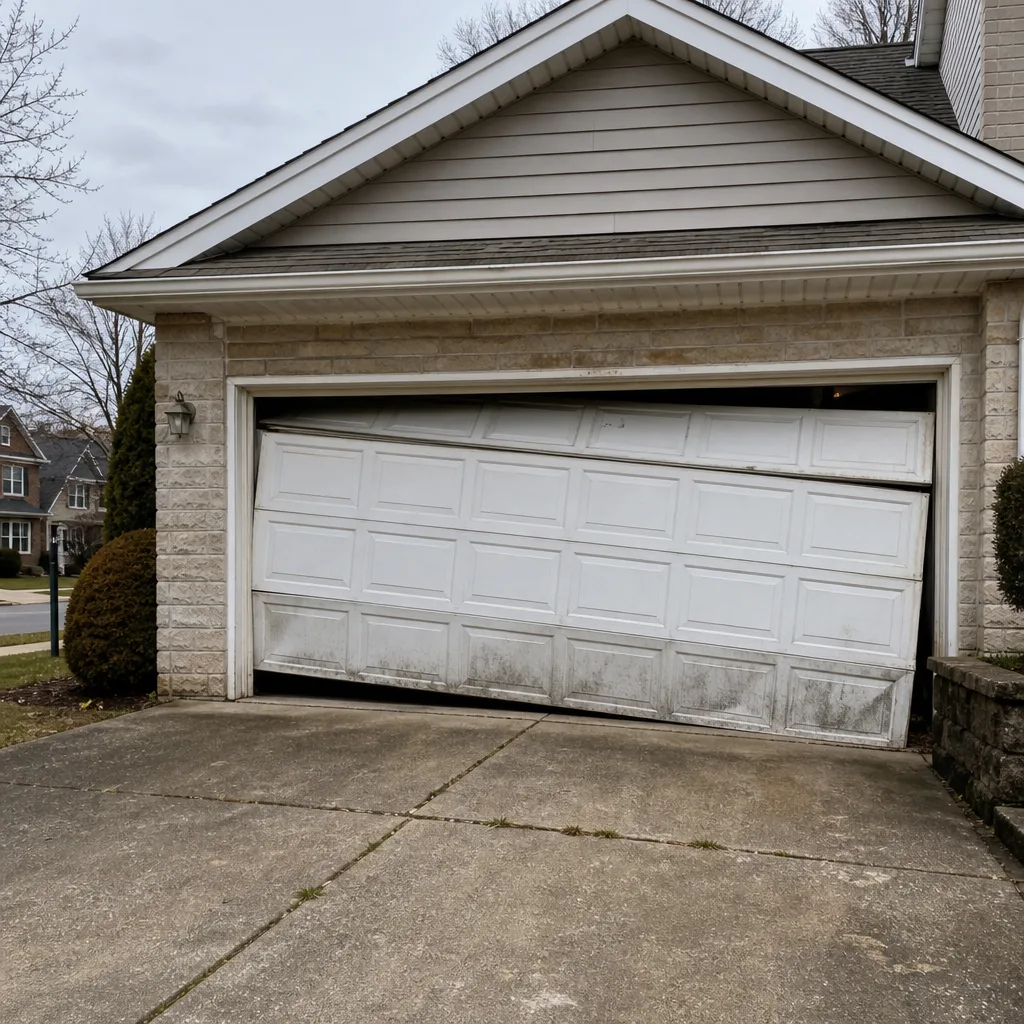 Before
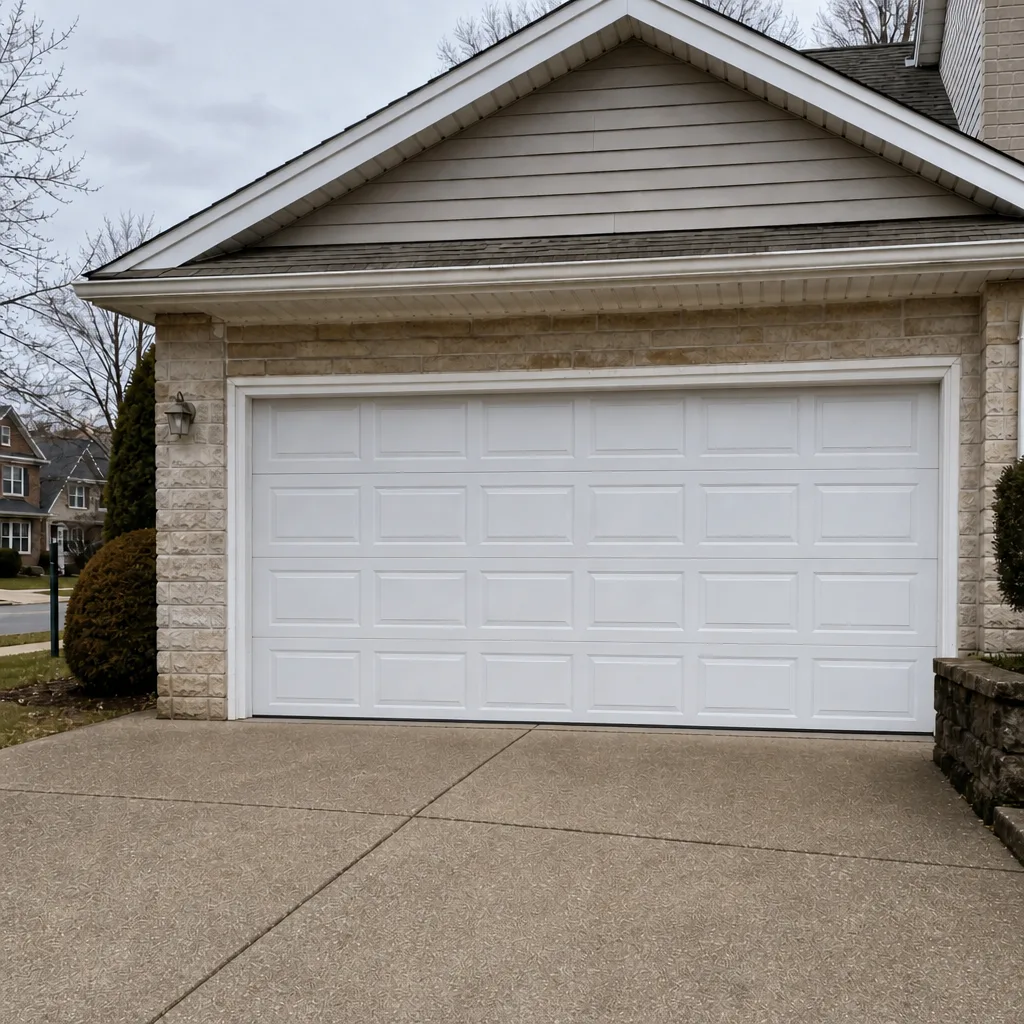 After
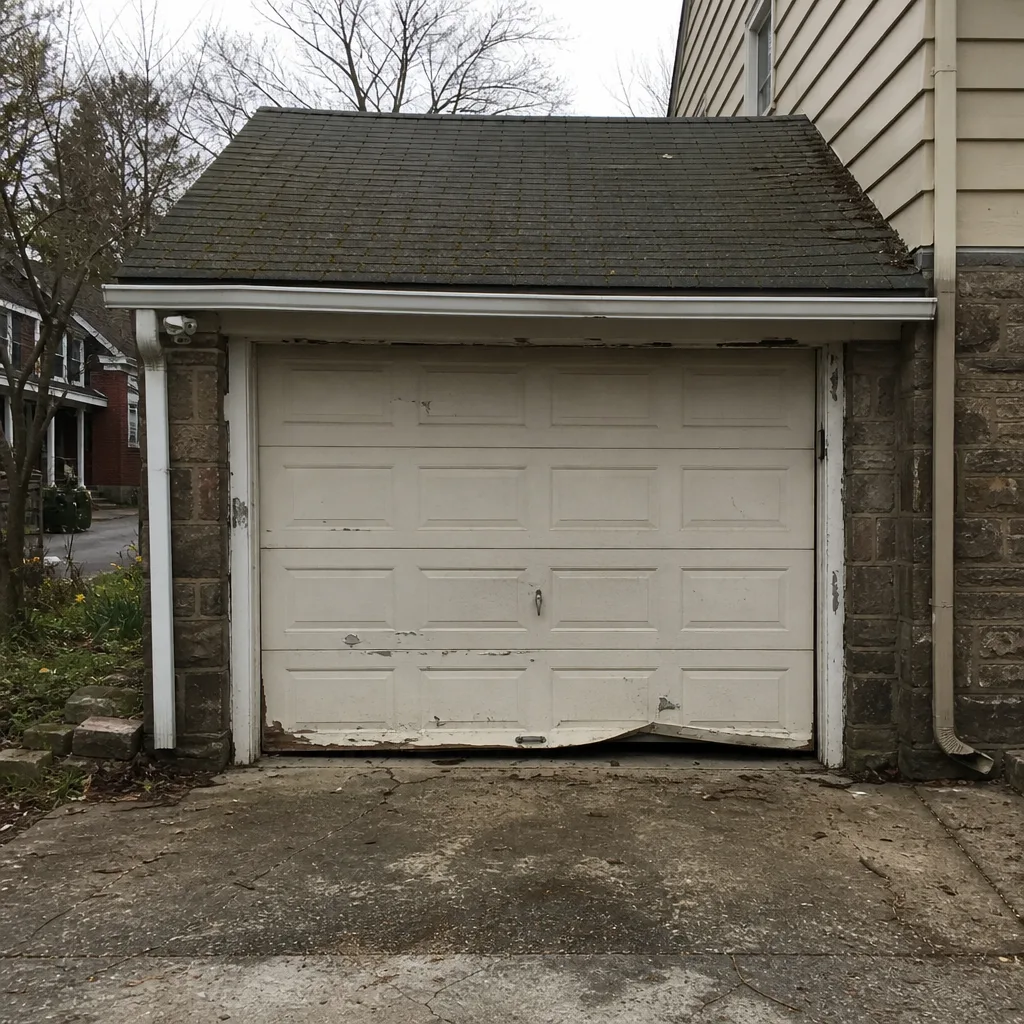 Before
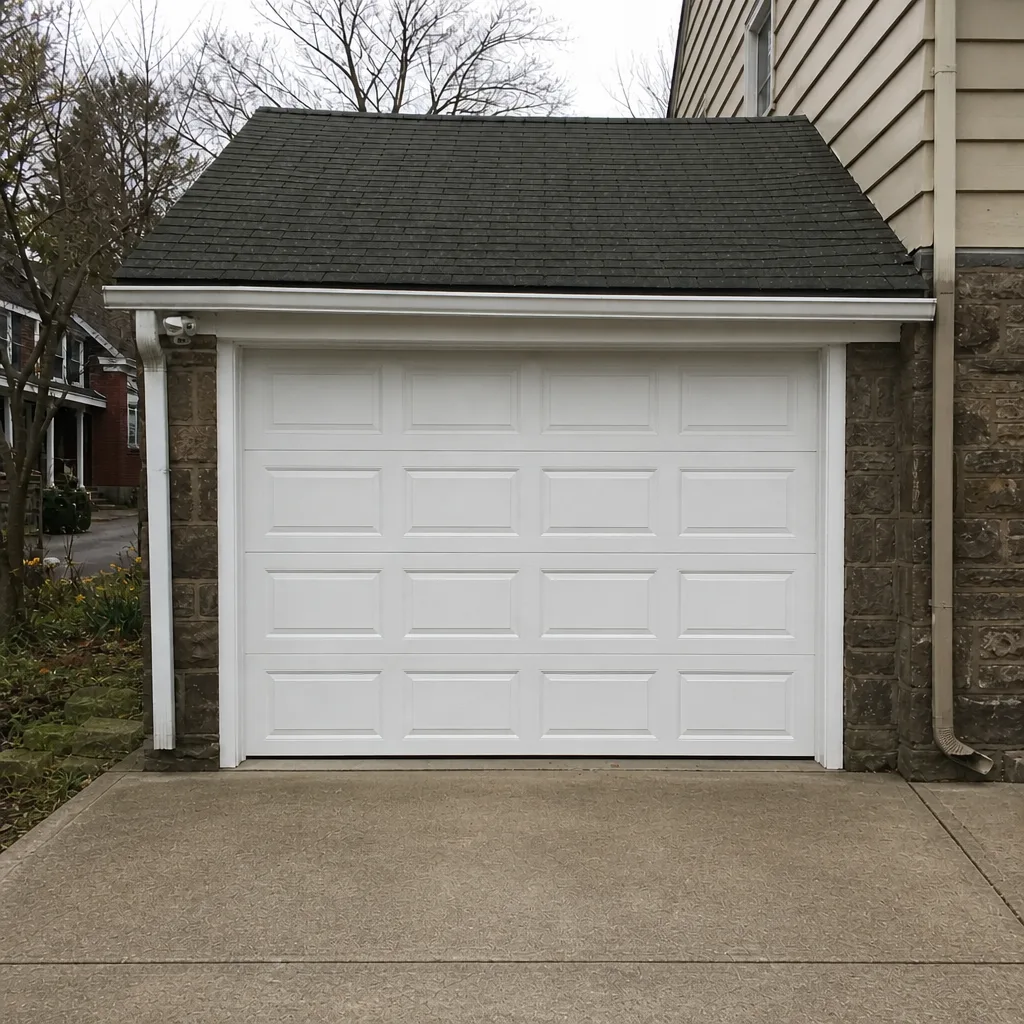 After
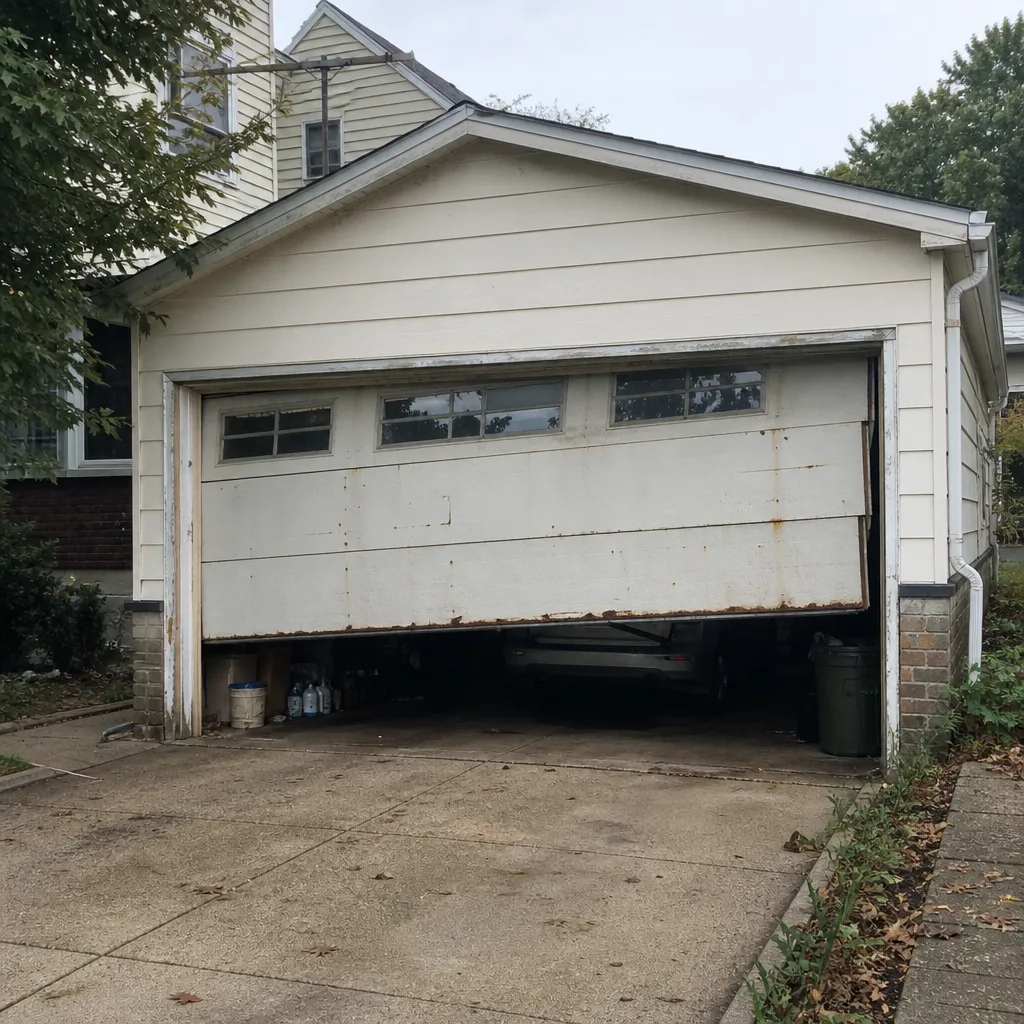 Before
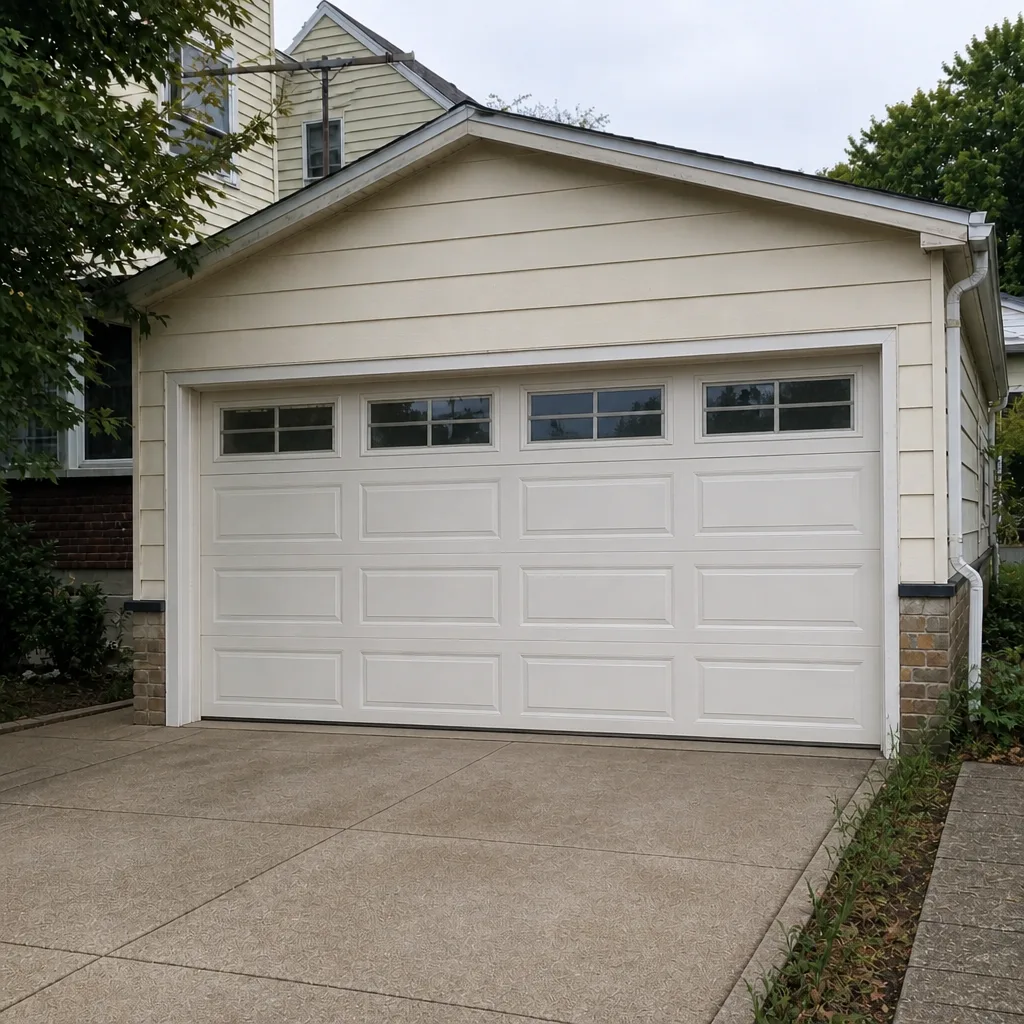 After
When to Call a Professional
Some garage door decisions are best made with a technician standing at your opening, looking at the actual hardware, not in front of a showroom display. Call us when you’re comparing doors and want to know which models will fit your headroom and alley approach, when a spring has failed and you need the door secured before you shop for a replacement, when an opener logic board has stopped responding and you want to know whether it can be repaired rather than replaced, or when you’re ready to install a new door and want a written estimate before the work starts. Garage Door Repair Squirrel Hill offers free estimates in Squirrel Hill. Call (833) 482-6529. We answer 24/7. Fast dispatch from 7am to 7pm, Sunday through Friday.
Frequently Asked Questions
For most Squirrel Hill homes, Clopay and Amarr offer the best balance of steel gauge, insulation, and parts availability across their mid-tier and premium lines, while Wayne Dalton is solid at the value end. The right answer depends on your opening, gauge floor, and whether you need insulation. Call (833) 482-6529 for an exact quote on a specific model – estimates are free.
Yes, if your garage faces an alley or sees regular traffic beside it. A 24-gauge panel resists dents from bikes, trash cans, and tight turns far better than 25-gauge, and the cost difference is modest relative to the door’s total price. For a low-traffic driveway, 25-gauge is a reasonable budget choice. Call (833) 482-6529 to talk through which gauge fits your specific opening.
If your garage shares a wall with the house or holds tools and equipment, an insulated door is worth it – Pittsburgh humidity swings cause condensation on uninsulated doors, and insulation also reduces noise and holds warmth. Polyurethane insulation outperforms polystyrene at the same build quality, but a well-built polystyrene door beats a poorly built polyurethane one. Call (833) 482-6529 for an exact quote based on your door size and insulation choice – estimates are free.
LiftMaster, Chamberlain, and Craftsman have the deepest parts network in this area because they share the Chamberlain Group architecture, so repairs are usually fast and logic boards are repairable rather than replace-only. Genie and Raynor are solid products with thinner local parts availability, which can mean a longer wait if the specific component needs ordering. Call (833) 482-6529 for an exact quote on your opener repair.
Usually it covers the panel, not the hardware, and many claims require dealer or licensed installer documentation to be valid. Panel warranties are the longest, hardware warranties are shorter, and finish warranties have their own terms and void conditions. Read which component you’re getting covered, and keep your installation paperwork. Call (833) 482-6529 with questions about your specific warranty before you buy.
Dealer-installer channels typically come with a full hardware kit matched to the door, access to the factory paint program, warranty registration handled at sale, and installation that follows factory spec. Big-box doors can be a reasonable budget choice for a rental or shed, but the hardware kit is often lighter and registration is on you. Call (833) 482-6529 for an exact quote on a dealer-installed door – estimates are free.
The Bottom Line
The right garage door brand for your Squirrel Hill home is the one whose model line matches your actual opening, your steel gauge floor, and your insulation needs – and whose hardware you can still get serviced five years from now. Clopay and Amarr lead on gauge and insulation, Wayne Dalton is a solid value, and LiftMaster, Chamberlain, and Craftsman lead on opener parts availability. The brand on the panel is only half the story; the springs, drums, and installation quality decide the rest. Read the warranty by component, buy the model line, not the name, and get the hardware spec in writing before any work starts. The written estimate sets the final price.
Written by the team at Garage Door Repair Squirrel Hill.