
Last updated November 23, 2026
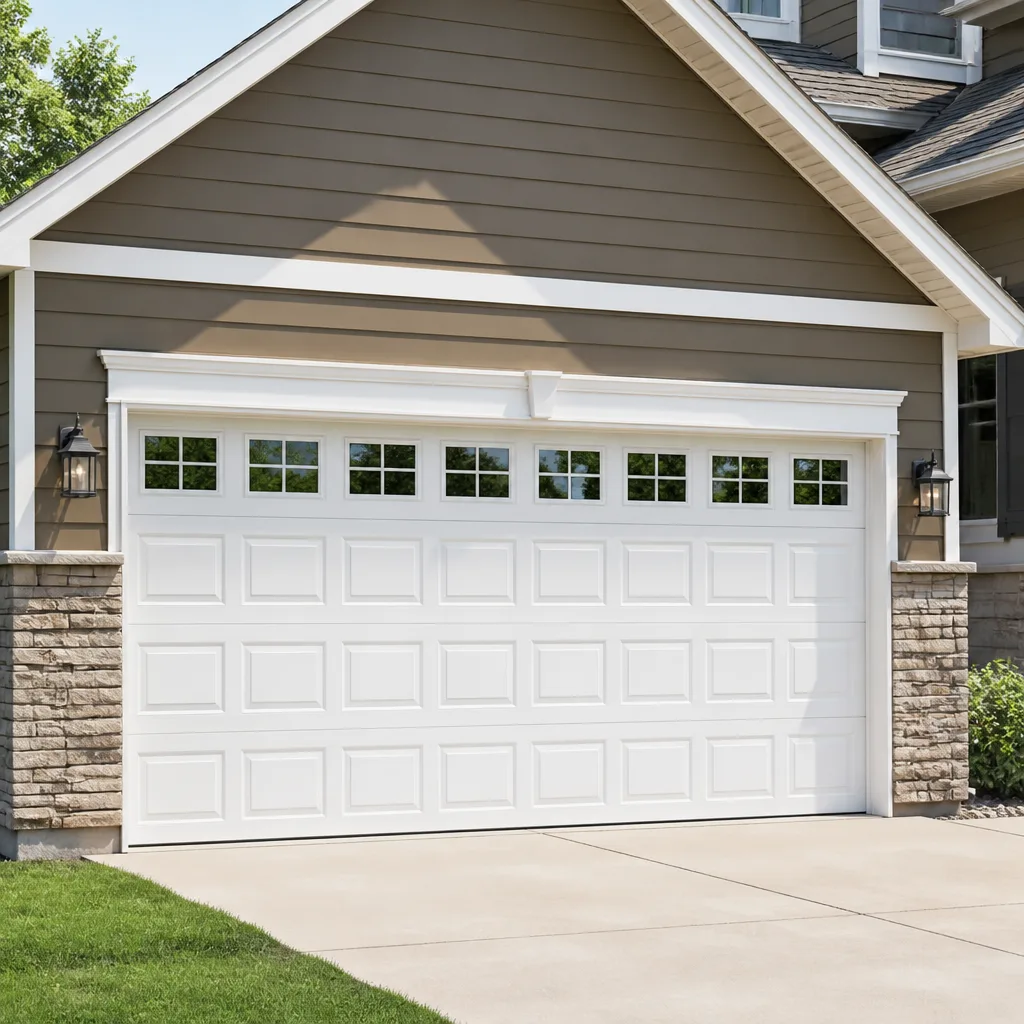 Raised-panel steel
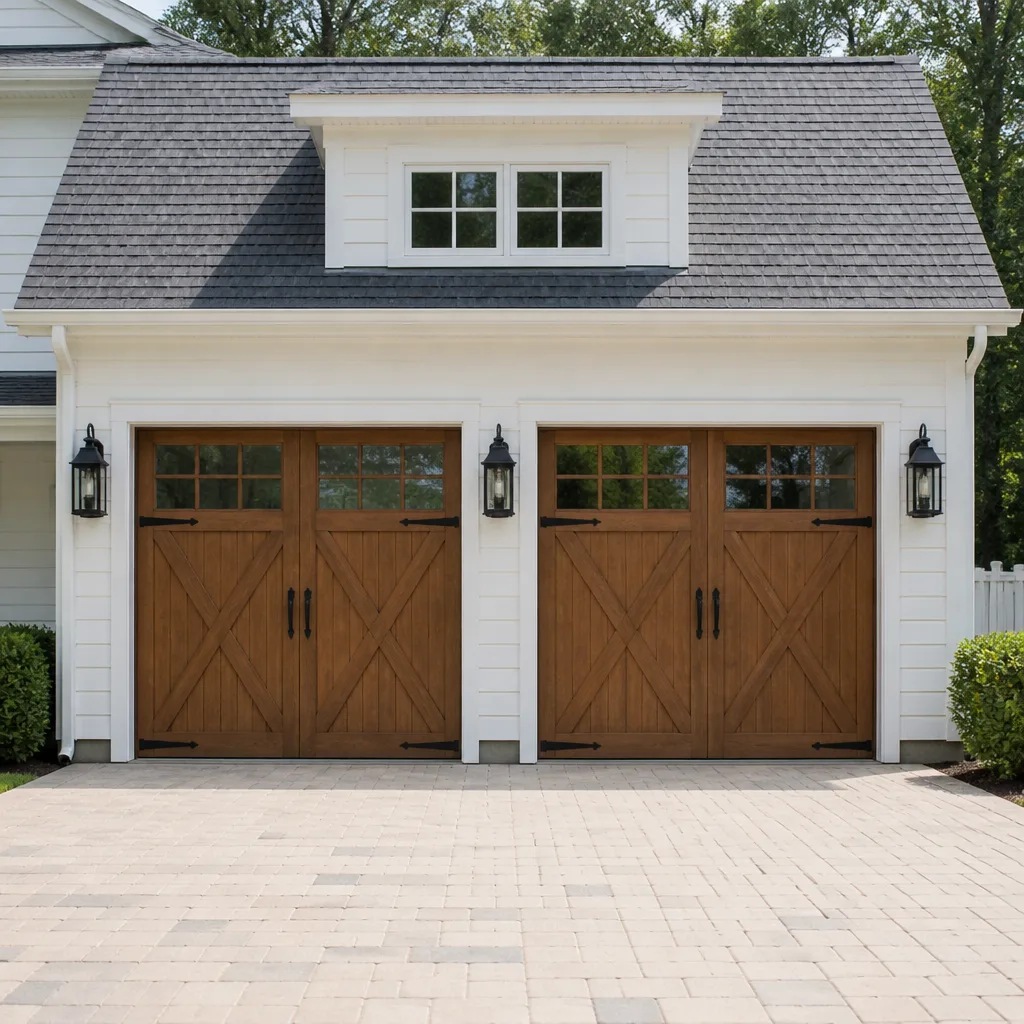 Carriage house
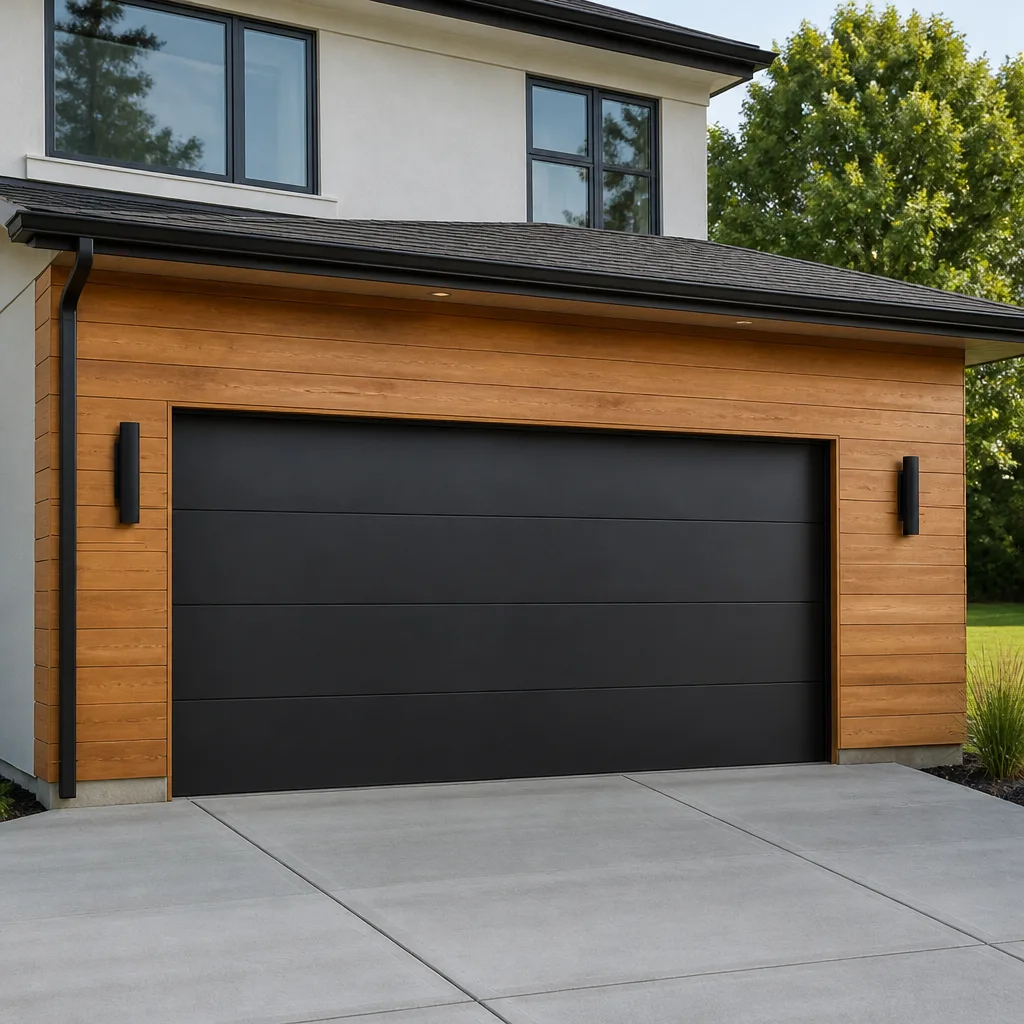 Modern flush
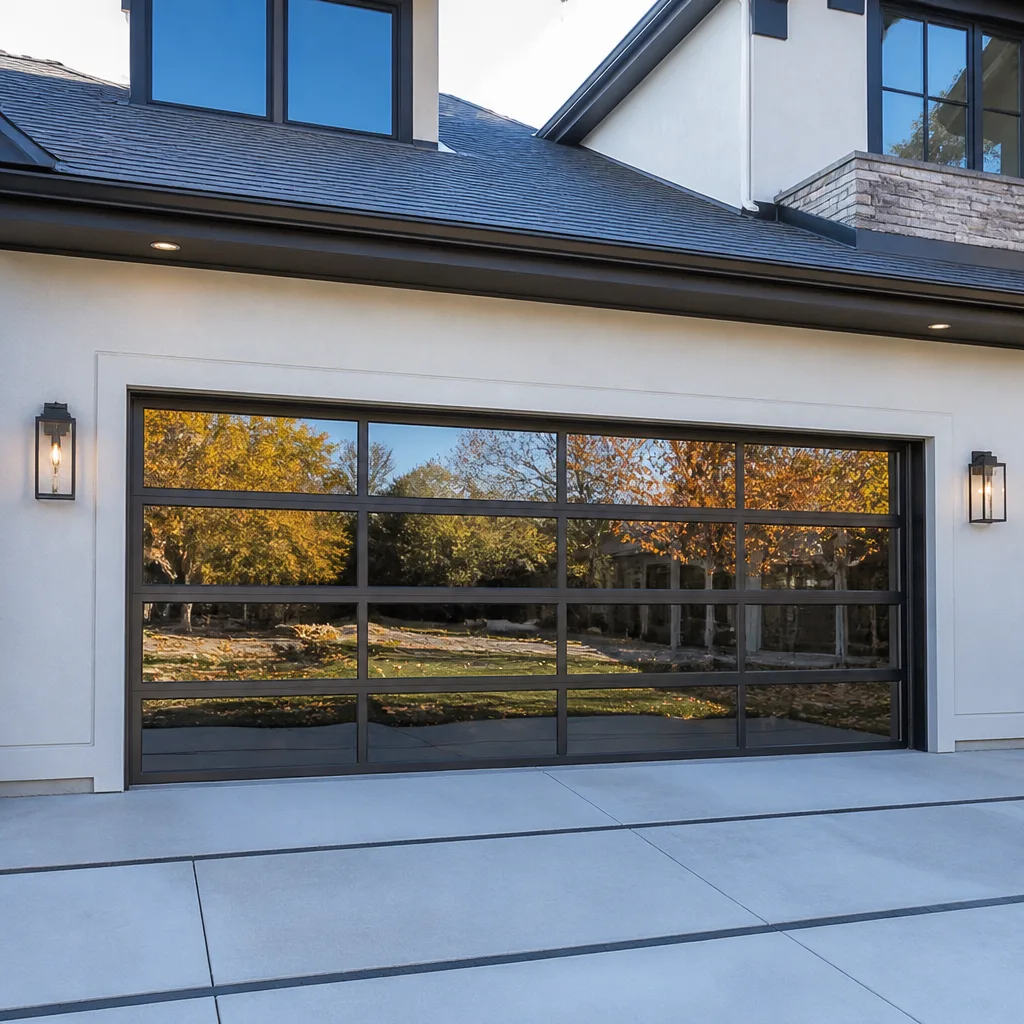 Full-view glass
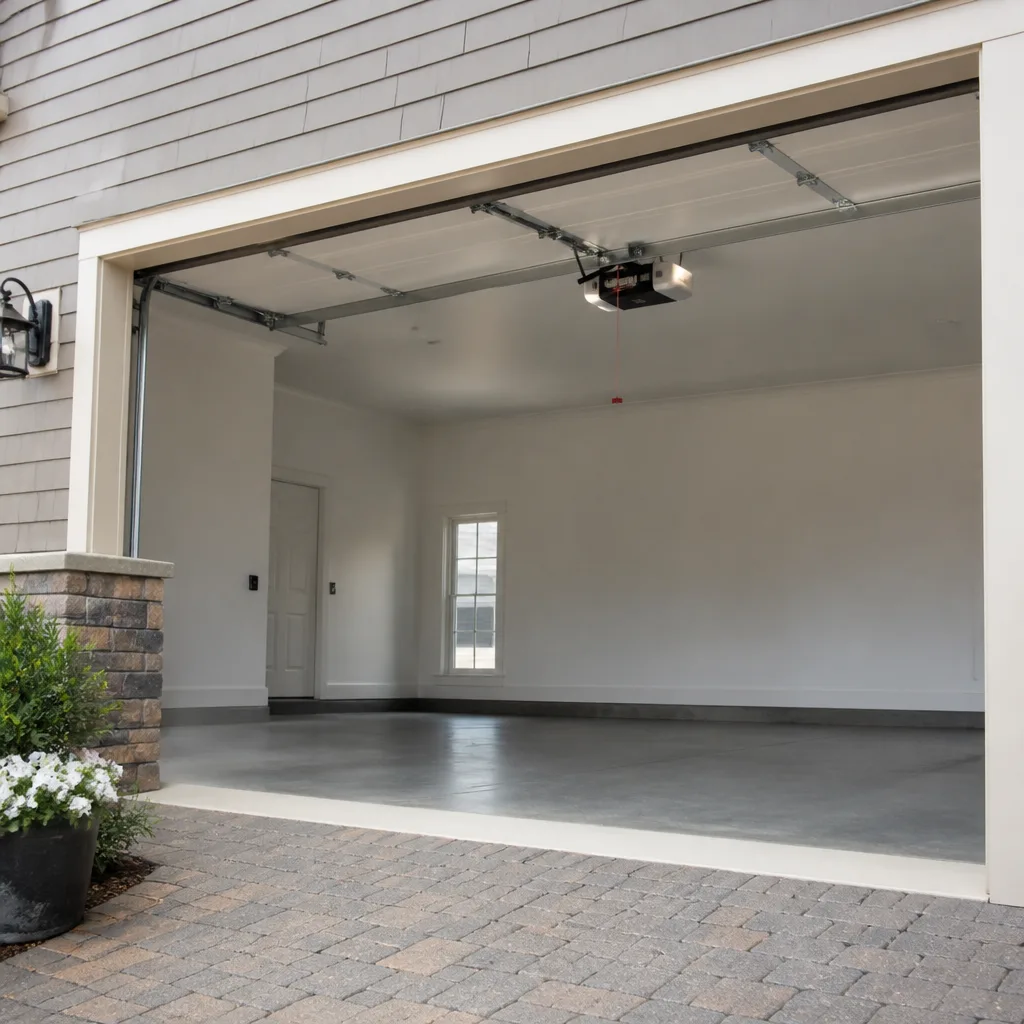 LiftMaster openers
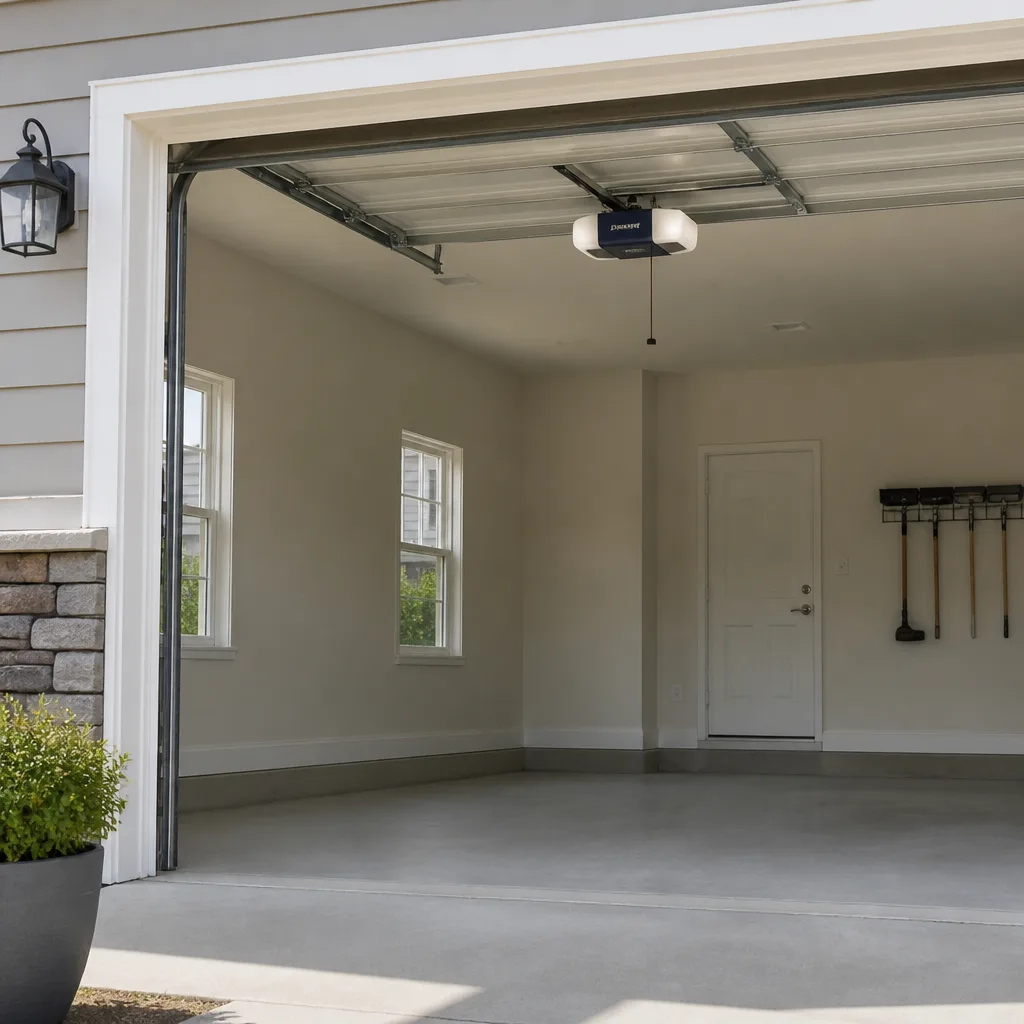 Chamberlain openers
Full 25-point door and opener safety check with every visit - springs, cables, rollers, tracks, and your LiftMaster or Chamberlain opener included
You get a price before we start. It does not change when the pro arrives.
Get your free estimateThe Complete Guide to Garage Doors in Squirrel Hill
Most garage door guides are written for a house that doesn’t exist here. They assume a wide, level opening, a modern 7-foot door with plenty of overhead clearance, and a garage that was framed after the door became a design consideration. That isn’t Squirrel Hill. The neighborhood’s brick and stone homes went up across several decades, and a fair number of the garages attached to them were built tight and low, with rough openings that don’t match anything on a showroom floor. When the opener a homeowner just bought from a big-box store turns out to need twelve inches of headroom the garage doesn’t have, that’s not a bad purchase. It’s a mismatch the box never told them about. This guide covers the decisions that actually come up in Squirrel Hill: spring sizing through freeze-thaw, materials that hold up to the region’s humidity swings, brand differences that matter, and how to tell when a repair stops being the right call.
Quick Answer
The right garage door decision in Squirrel Hill starts with your home’s build era, not with a brand or a price tag. Homes built between 1940 and 1990 typically have lower headroom, wood jambs, and non-standard rough openings that narrow your door and opener options before anything else gets decided. Once you know your clearance, spring type, and opening dimensions, choosing between steel, wood composite, or a brand like Clopay comes down to what fits and what survives a Pittsburgh winter. Repairs make sense when the door structure is sound; replacement makes sense when the door’s age, part availability, and accumulated wear tip the math.
Styles & brands we work with
- Raised-panel steel
- Carriage house
- Modern flush
- Full-view glass
- LiftMaster openers
- Chamberlain openers
Table of Contents
- Why Squirrel Hill’s Housing Stock Changes Everything
- The Freeze-Thaw Cycle and Torsion Spring Sizing
- Structural Constraints in Pre-1970 Squirrel Hill Garages
- Steel, Aluminum, or Wood Composite: What Survives Here
- Brand Fluency: Matching the Door and Opener to Your Budget
- Repair or Replace? How to Make the Call
- Choosing an Opener That Fits a Low-Headroom Garage
- Safety: What to Know Before You Touch a Spring
Why Squirrel Hill’s Housing Stock Changes Everything
Generic garage door advice assumes a house built after the door was standardized. Squirrel Hill wasn’t built that way. A walk through the neighborhood turns up brick four-squares, stone-faced Tudors, mid-century ranches, and later infill, and the garages attached to them span roughly fifty years of framing practice. That range matters because a garage door is not a universal appliance. It’s a system sized to a specific opening, with a spring wound to counteract a specific door weight, mounted in whatever headroom the builder left behind.
Start by knowing four things about your garage before you buy anything:
- Rough opening dimensions. Width and height of the framed opening, measured, not estimated. Older Squirrel Hill garages frequently run narrower or shorter than the nominal door size sold at retail.
- Headroom. The distance from the top of the opening to the ceiling. Low headroom is common in pre-1970 construction and it limits both track design and opener model.
- Jamb condition. Wood jambs rot, twist, and pull loose at the hinges. A new door hung on a failing jamb won’t seal or track correctly.
- Spring type. Torsion springs mount above the door on a shaft; extension springs run along the horizontal tracks. Which you have determines what gets replaced and how the work is done.
Our technicians have up to 10 years of experience, and a good part of that time has gone into reading these older openings correctly. Misreading them is expensive. A door that’s an inch too tall for the header doesn’t just fail to fit; it forces a jamb rework or a special-order door. If you’re already dealing with a door that won’t close, our Garage Door Repair Squirrel Hill team can diagnose what’s failing before you spend on parts.
The Freeze-Thaw Cycle and Torsion Spring Sizing
Standard spring ratings from the factory are calculated against cycles lived in a mild climate, and Pittsburgh’s freeze-thaw pattern is not that climate. Through a typical winter, temperatures cross the freezing mark repeatedly, and the cycle count on a spring adds up faster than the calendar suggests. Every open and close is one cycle; a spring rated for a standard cycle count is a spring rated for a certain number of ups and downs before it fatigues and breaks. Cold makes the steel less forgiving. Repeated freeze-thaw puts load on the door, the tracks, and the spring all at once, and the relationship between door weight and spring tension is unforgiving of any drift.
Here’s what that means in practice rather than in theory:
- Don’t accept a same-weight off-the-shelf spring swap. A replacement spring should be wound to your door’s measured weight, not the weight listed on the old spring’s label. The old one may already have been wrong for the door.
- Replace torsion springs in matched pairs. Both springs on a two-spring door share the load and have lived the same cycles. Replacing one leaves the other near the end of its life and puts uneven tension on the shaft.
- Expect more frequent cycling than you think. A family that opens the door four times a day doubles the cycle count of one that opens it twice. Ask the technician to factor in how the door is actually used.
- Treat any sudden change in door balance as a spring signal. If the door gets heavy, slams down, or stops halfway, the spring is the first thing to check, not the opener.
Our garage door repair work in this region includes a lot of spring replacement, because the freeze-thaw cycle here shortens their service life in a way warmer markets don’t see. A properly sized spring is the difference between a door that runs quietly for years and one that keeps coming back.
Structural Constraints in Pre-1970 Squirrel Hill Garages
The hardest part of a garage door project in Squirrel Hill is often not the door. It’s the garage. Pre-1970 construction across the neighborhood turns up the same handful of constraints, and each one eliminates some of the options a homeowner has already been shopping.
Low headroom
Standard high-lift track requires enough clearance above the door for the horizontal track to run back and the door to travel up and out of the way. Low-headroom garages can’t accommodate that, so they need either a low-headroom track setup, a different opener, or a door that travels differently. This is where the big-box mismatch usually happens: the opener on the shelf assumes standard headroom, and the garage doesn’t have it.
Wood jambs and rough openings
Wood jamb boards in older Squirrel Hill garages absorb moisture, dry out, and move seasonally. A jamb that’s out of plumb or rotted at the base won’t hold a new door straight, and a door that isn’t straight wears the tracks and the opener. As a general rule, most cities require a permit for structural changes to a garage opening, so before any reframing work starts, ask the City of Pittsburgh’s building department what applies to your address. We won’t guess at a permit requirement on your behalf; that call is yours to make.
Non-standard rough openings
A door has to match the opening, and older openings come in sizes that don’t line up with standard retail dimensions. Measuring the actual opening, including any out-of-square condition, is the step that prevents ordering a door that has to be returned.
When you’re sizing a project, a free measure and a written price remove the guesswork. Our garage door installation service starts with that measurement so the door you order is the door that fits.
Steel, Aluminum, or Wood Composite: What Survives Here
Pittsburgh’s humidity swings are harder on garage doors than temperature alone. Summer moisture, winter dry air, and repeated wet-dry cycles push and pull at whatever the door is made of. The material that survives isn’t the one that looks best on day one; it’s the one that doesn’t warp, delaminate, or rust through the bottom section first.
- Steel. The most common choice, and a good one for Squirrel Hill if it’s properly sealed and the bottom section is protected. Steel holds its shape, insulates well with a foam core, and takes a paint finish that can be refreshed. The weak spot is the bottom panel, which sits closest to road splash and snowmelt, so inspect it for rust every year.
- Aluminum. Light, rust-resistant, and a reasonable fit for low-headroom garages where door weight matters. The trade-off is that aluminum dents more easily than steel and can be noisy without insulation.
- Wood composite. Looks right on a brick or stone Squirrel Hill home in a way metal often can’t match. Composite resists the moisture problems solid wood develops, but it costs more and needs periodic refinishing to hold up through the humidity swings. If your home’s architecture calls for a wood-look door, composite is the version that ages better here.
Whichever you pick, the door weight changes what spring you need. Switching from a light aluminum door to an insulated steel one means the spring has to be resized, not reused. That’s a conversation to have with whoever measures the opening, not after the door arrives.
Brand Fluency: Matching the Door and Opener to Your Budget
Brand matters less than fit, but brand still matters. A garage door and its opener are proprietary systems, and a technician who knows how Clopay panels assemble or how a Chamberlain Group opener’s travel limits adjust will diagnose faster and get the part right the first time. We work on eight major brands, and that range covers nearly every door and opener a Squirrel Hill homeowner is likely to have.
In this market, the brand conversations tend to break down like this:
- Clopay is a frequent choice for steel and composite doors that need to match the look of an older brick home without the maintenance of solid wood. Their lines give a homeowner a way to get a period-appropriate look in a material that handles humidity better.
- Wayne Dalton shows up often on homes where a lighter door and a low-headroom-friendly track setup make sense. The fit between door weight and opener strength is worth checking on these.
- Chamberlain Group products, which include LiftMaster, Chamberlain, and Craftsman openers, share family DNA in how they set travel limits and safety reverse. A technician familiar with that system reads the diagnostics faster than one who sees it occasionally.
- Genie openers are common on older installs, and their repair parts and belt or screw drive differences are worth knowing when a unit starts acting up.
We’re brand-familiar, not brand-guessing. When your opener’s behaving oddly, that’s usually an opener problem before it’s a door problem, and our garage door opener repair work starts with the brand-specific diagnostics rather than a generic reset. If you want a straight answer on what your existing setup can support, our garage door repair team can take a look.
Repair or Replace? How to Make the Call
The repair-versus-replace question is where a lot of Squirrel Hill homeowners get stuck, because the honest answer depends on the whole system rather than one broken part. A single spring replacement on a sound door is straightforward. A door that’s twenty-five years old, wearing through its bottom section, with parts that are no longer made, is a different decision.
Work through these questions in order:
- Is the door structure sound? If the panels are straight, the bottom section is intact, and the frame is solid, a repair is usually the right call. Rusted-through bottom panels and cracked sections are where replacement starts to make sense.
- Are the parts still available? Openers and doors from discontinued lines can leave you hunting for components. We source parts directly, which cuts the delay, but a door whose hardware is no longer made will eventually force a decision.
- How many systems are failing at once? One spring is a repair. Springs, tracks, rollers, and a struggling opener all failing within a season is a sign the door is at the end of its life as a system.
- Does the door still fit how you use it? If you’re parking a taller vehicle, need better insulation, or want a quieter door, replacement solves a problem a repair can’t.
- What does the math look like over time? A door that needs repeated repairs is usually more expensive across a few years than one replacement that resets the clock.
When replacement is the answer, we measure first and write the price before any work starts, so you’re not committing to a number that changes later. A free estimate is the right first step in Squirrel Hill.
Choosing an Opener That Fits a Low-Headroom Garage
The opener a store sells you assumes standard headroom, and that assumption is where a lot of Squirrel Hill installations go wrong. A low-headroom garage needs an opener whose rail, travel, and mounting work with the space above the door. Buying first and discovering the mismatch second is the most common and most avoidable mistake in this neighborhood.
Match the opener to the garage, in this order:
- Measure headroom above the door. This decides which opener types are even possible.
- Check the door’s weight and balance. An opener sized for a light door will strain on a heavy insulated one, and an unbalanced door is hard on any opener.
- Consider belt versus chain drive. Belt drives are quieter, which matters if the garage sits under a bedroom. Chain drives are heavier duty. Neither fixes a headroom problem on its own.
- Confirm the safety reverse system works with the door. Any opener needs functioning safety sensors and a reverse that stops the door on contact. If those aren’t working, that’s the repair, not the opener.
If your current opener is struggling or the safety reverse isn’t engaging, our garage door opener repair service can sort out whether it’s the opener or the door causing the trouble.
Safety: What to Know Before You Touch a Spring
Torsion and extension springs are under high tension, and a spring that lets go can cause serious injury. This isn’t a job for a homeowner with a set of hand tools, and it isn’t a job for a general handyman who mostly does other work. The springs and cables hold the door’s full weight; releasing that tension safely takes the right winding bars, the right technique, and enough experience to read the tension before it becomes a problem. We’d rather you leave it to us.
What you can safely do is recognize when something’s wrong and stop using the door until it’s checked:
- Listen for a loud bang, then check the door before opening it.
- Watch for a door that won’t stay up, drops suddenly, or feels heavy.
- Look for a visible gap in a torsion spring or a stretched extension spring.
- Check that cables are straight and not frayed or off the drum.
- Test safety reverse by placing an object in the door’s path; if it doesn’t reverse, don’t use the opener.
Springs, openers, panels, and tracks are handled by the same team, and the spring side is the work that takes the most training. Our garage door repair technicians have up to 10 years of experience specifically on this trade. If a spring is suspect, we’d like to see it before you use the door again.
Common Mistakes to Avoid
- Buying an opener before measuring headroom. Standard openers assume standard clearance, and a low-headroom Squirrel Hill garage can disqualify a model before it’s ever installed. Measure first, buy second.
- Replacing one torsion spring on a two-spring door. Both springs share the load and live the same cycle count; replacing one leaves the other near failure and unbalances the shaft. Replace the pair.
- Ignoring a failing jamb. A new door hung on a rotted or out-of-plumb wood jamb will bind and wear out the tracks. Fix the jamb before the door goes on.
- Assuming a standard rough opening fits. Older openings run non-standard, and a door ordered to a nominal size rather than a measured one is a door that has to be returned.
- Swapping door materials without resizing the spring. A heavier insulated steel door needs a different spring than the light aluminum one it replaced. Reusing the old spring strains both.
- DIY spring work. Springs are under dangerous tension. This is the one item on the list that a homeowner should never try to save money on.
- Skipping the written estimate. Any price you agree to verbally can drift. Get it written before work starts so the invoice matches the quote.
See the difference
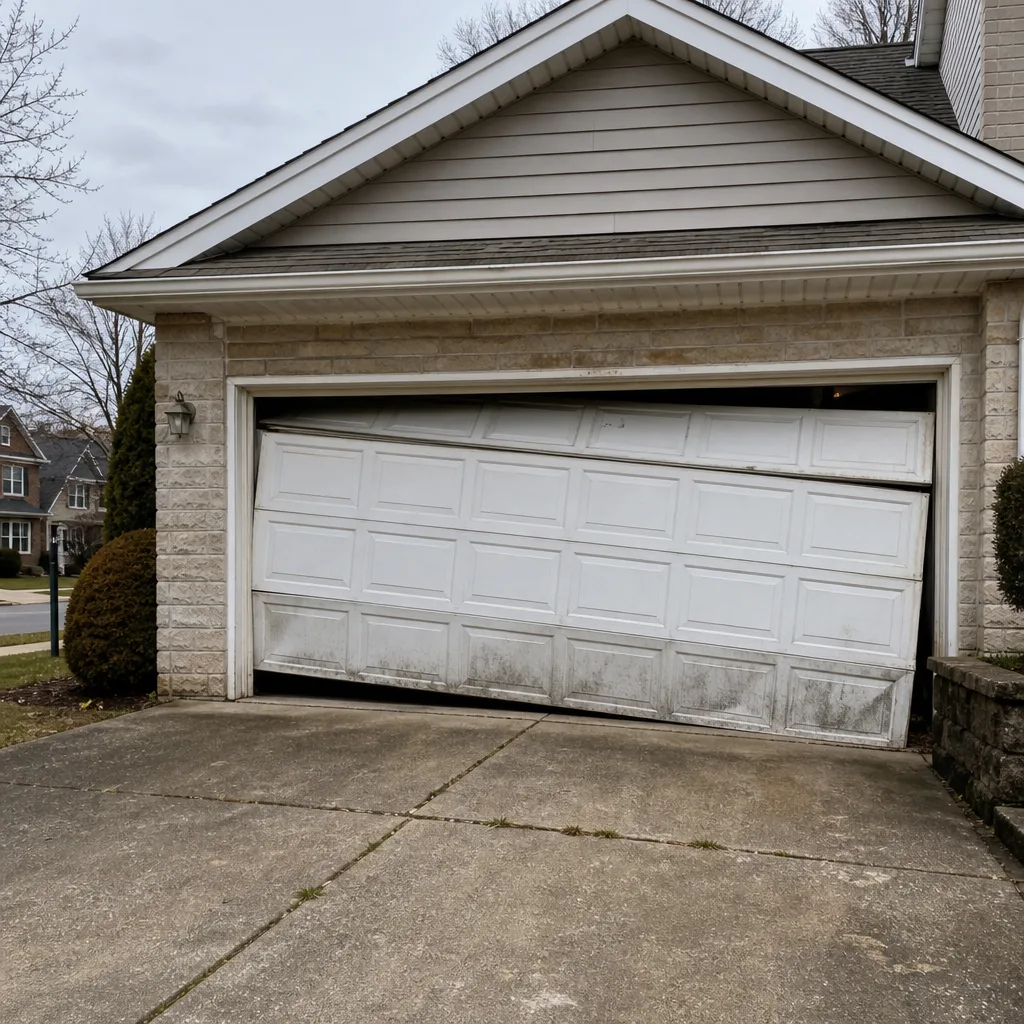 Before
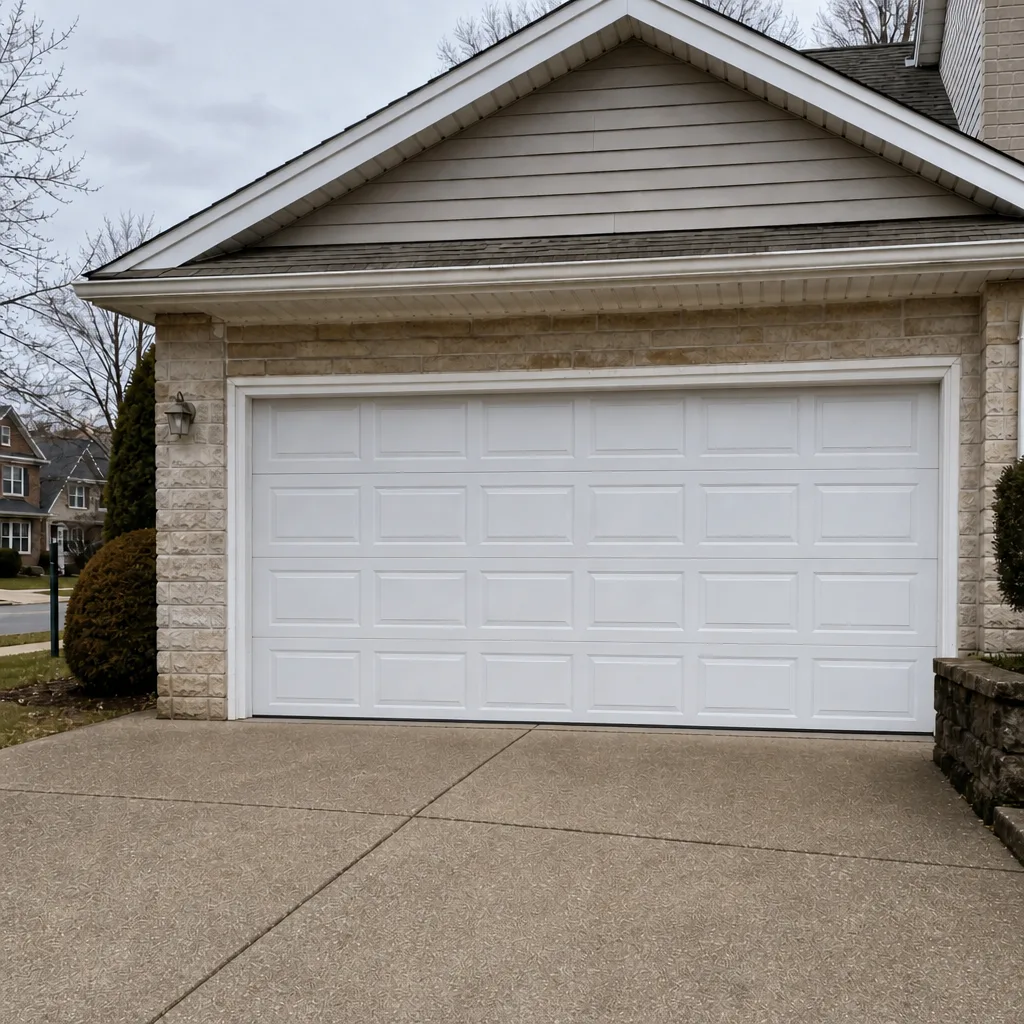 After
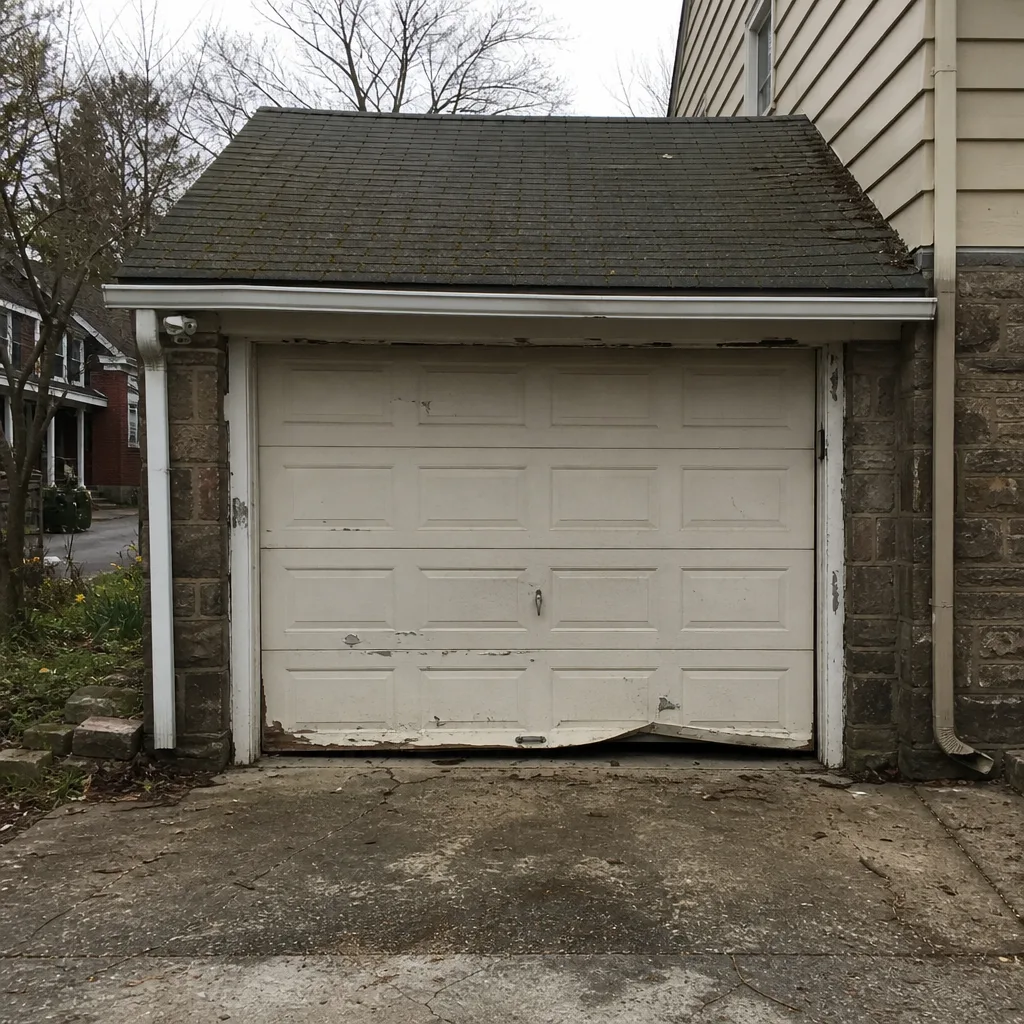 Before
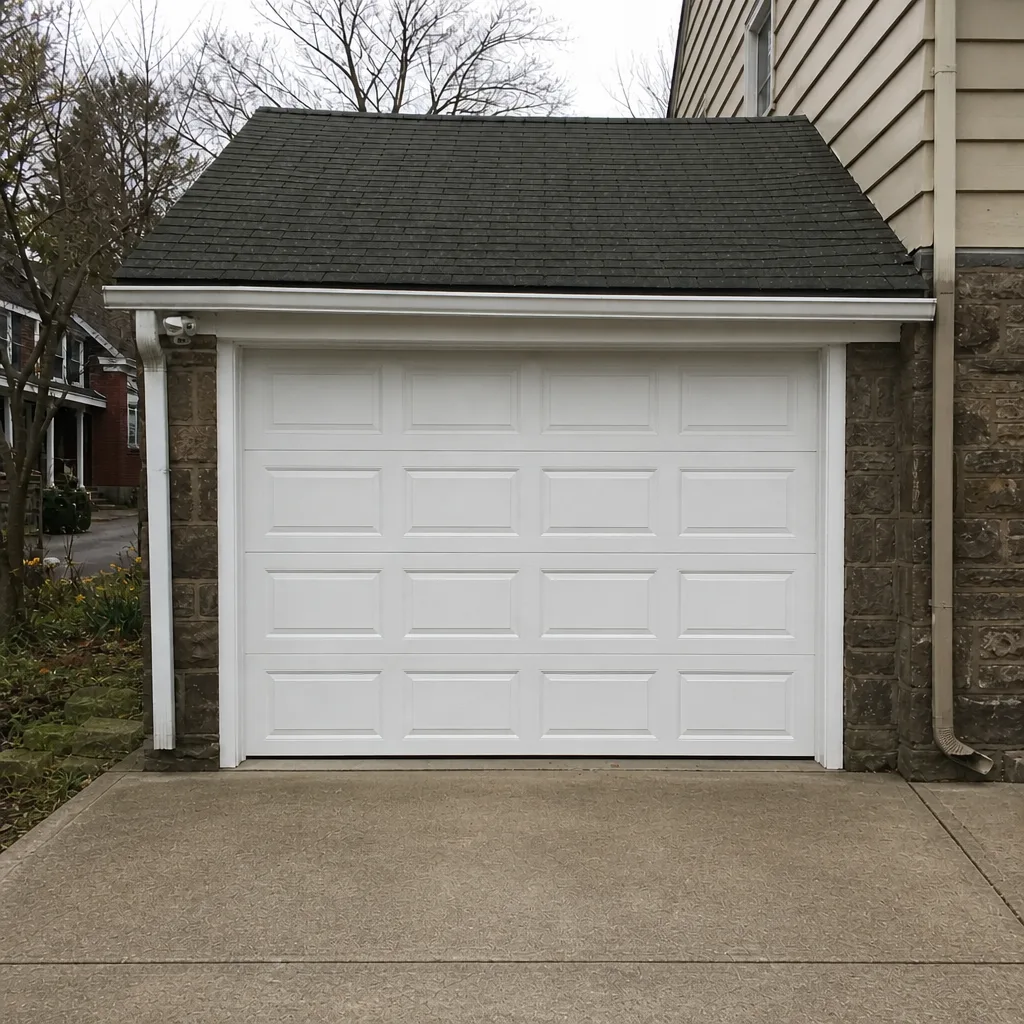 After
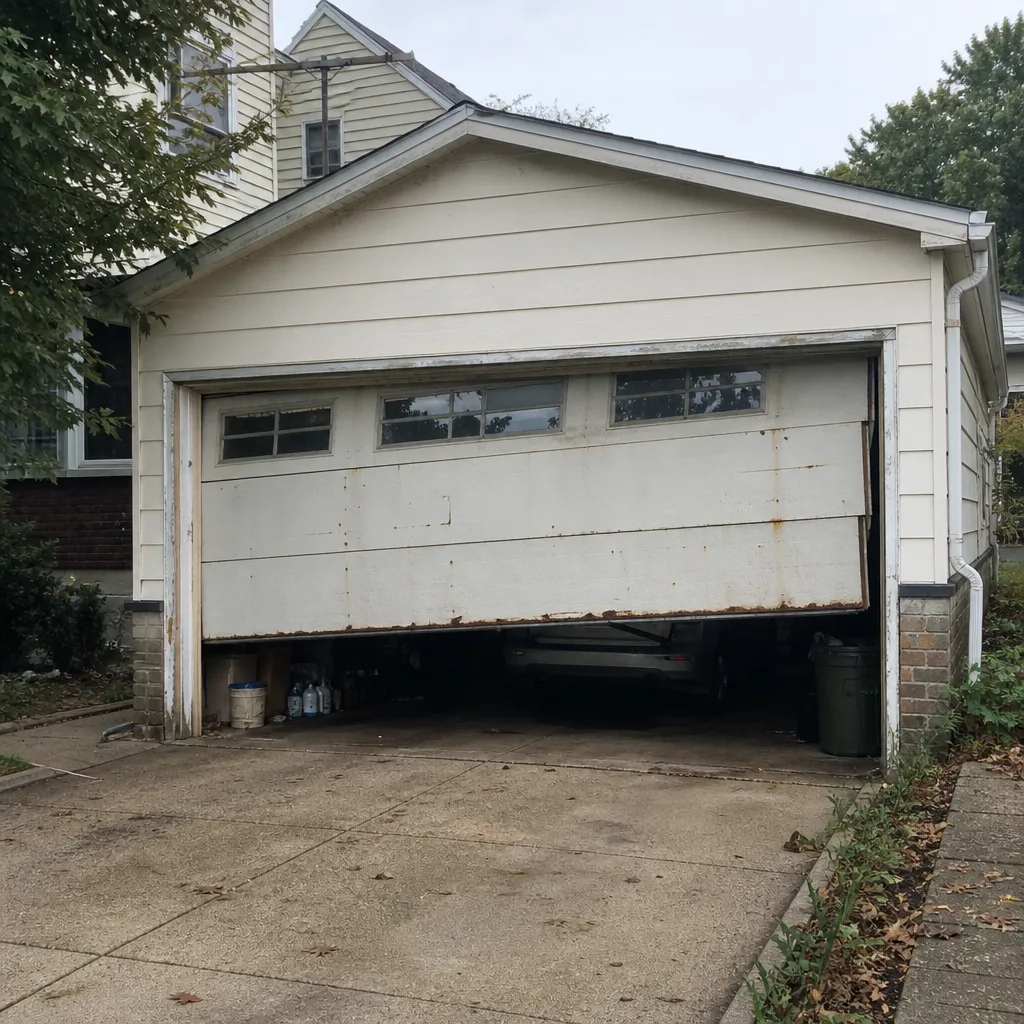 Before
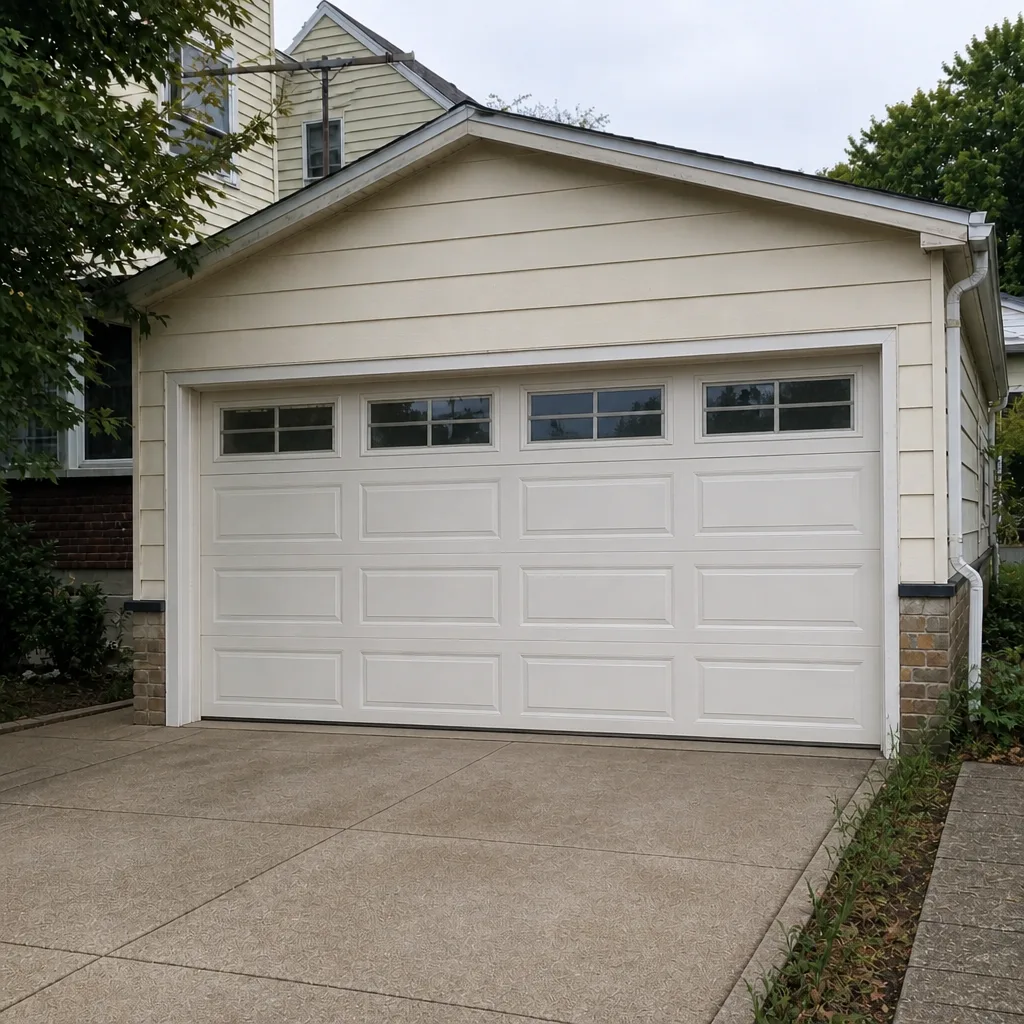 After
When to Call a Professional
Call a professional before you use the door again if you hear a bang and the door gets heavy or stops holding itself up, since that usually means a broken spring. Call us if your opener reverses unexpectedly, if the door binds or grinds in the tracks, if the safety sensors won’t line up, or if you’re considering a new door or opener and the opening dimensions don’t match the retail size. Spring work, cable work, opener diagnostics, and full installations are all jobs where a specialist prevents a small problem from becoming a bigger one. Garage Door Repair Squirrel Hill offers free estimates in Squirrel Hill. Call (833) 482-6529. We answer 24/7, with fast dispatch from 7am to 7pm, Sunday through Friday.
Frequently Asked Questions
Garage door repair in Squirrel Hill is priced per job by a written estimate; we don’t quote a flat number over the phone because the cost depends on the part, the door weight, and the access. Spring replacement, opener repair, and track or roller work are the most common jobs, and each gets measured before we quote. The written estimate sets the final price, and the estimate itself is free. Call (833) 482-6529 for an exact quote.
Same-day service is available for repairs, so if your door won’t close or a spring has gone, we can often see you. Our phones are answered 24/7, and we dispatch Sunday through Friday, 7am to 7pm; a call outside those hours gets booked into the next opening. Call (833) 482-6529 to find out what’s available.
No; the price is quoted and agreed before any work starts, and the written estimate is the price you pay. If a job turns out to need a part we didn’t expect, we’ll tell you before we do it rather than adding it to the invoice afterward. Call (833) 482-6529 for a free estimate.
The local pros we connect you with are licensed and insured as their state requires, and our technicians have up to 10 years of experience on this trade. Garage doors are all we do, so the people who arrive spend every day on springs, openers, and installations rather than splitting time across unrelated trades. Call (833) 482-6529 to get started.
Pittsburgh’s freeze-thaw cycle adds load to the springs faster than a milder climate does, and standard spring ratings are calculated for cycles lived in easier conditions. Each freeze-thaw event puts stress on the steel, and the door and tracks share that load. A spring wound to your door’s measured weight, and replaced as a pair when one fails, holds up better than an off-the-shelf swap. Call (833) 482-6529 if your door has gone heavy.
Yes, low-headroom garages are a common situation in Squirrel Hill’s older homes, and we size the opener to the clearance your garage actually has rather than what the store assumed. If you’ve already bought an opener that doesn’t fit, we can tell you what your options are after measuring. Call (833) 482-6529 for a free measure and written price.
The Bottom Line
Garage doors in Squirrel Hill are a housing-stock problem before they’re a brand problem. Measure the opening, know your headroom and spring type, and pick materials and hardware that survive the region’s humidity and freeze-thaw cycles rather than the mild climate a generic guide assumes. Repair the door while the structure is sound; replace it when age, part availability, and accumulated failures tip the math. And leave spring and cable work to the specialists, because that’s where the real danger sits. Get a free measure and a written price before you commit, call (833) 482-6529. We answer 24/7, with fast dispatch from 7am to 7pm, Sunday through Friday.
Written by the team at Garage Door Repair Squirrel Hill.