
Last updated November 23, 2026
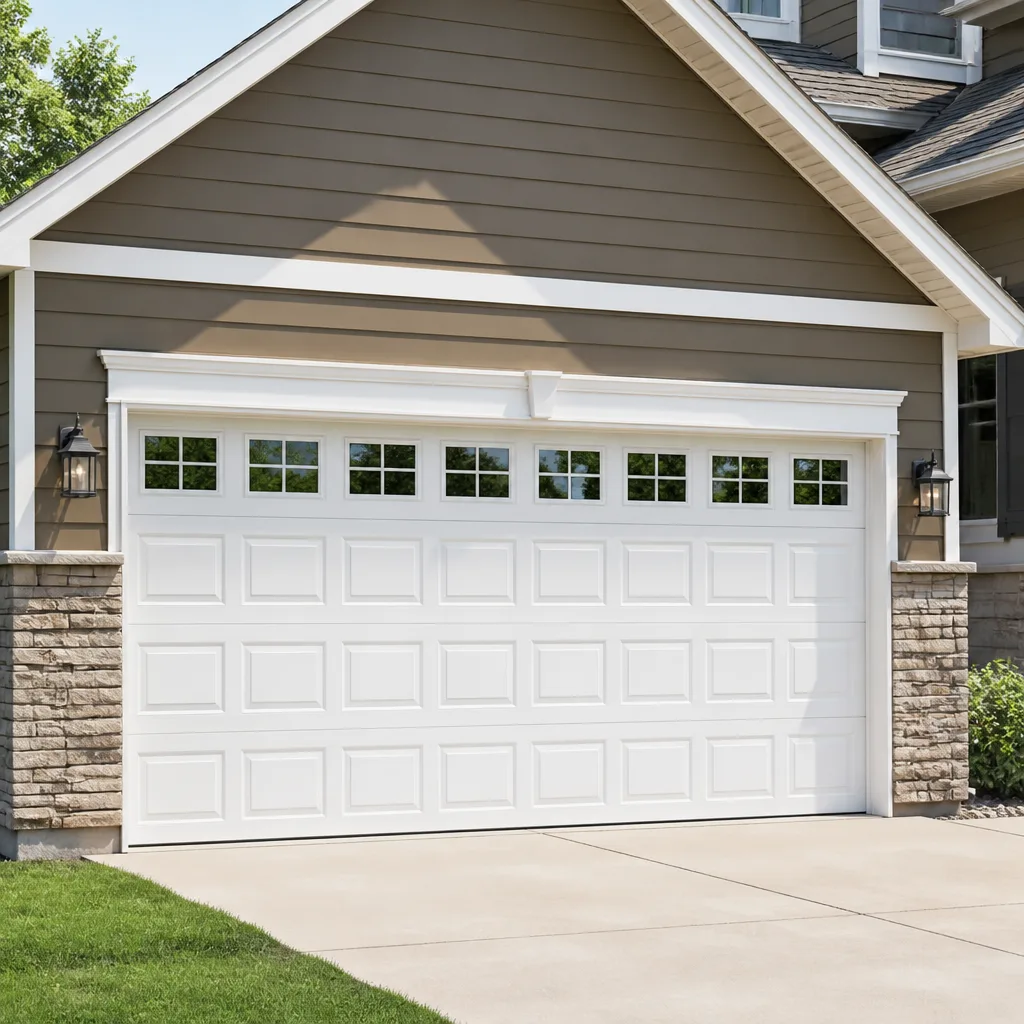 Raised-panel steel
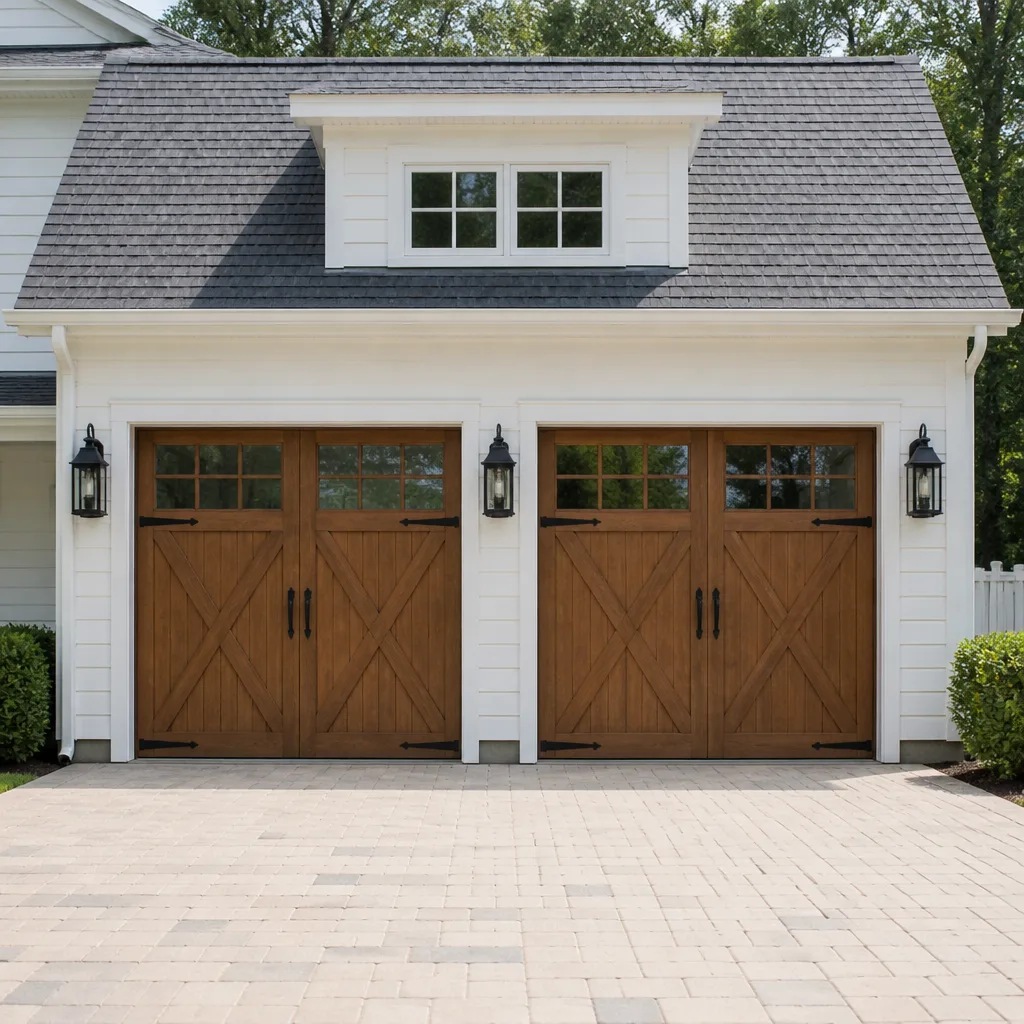 Carriage house
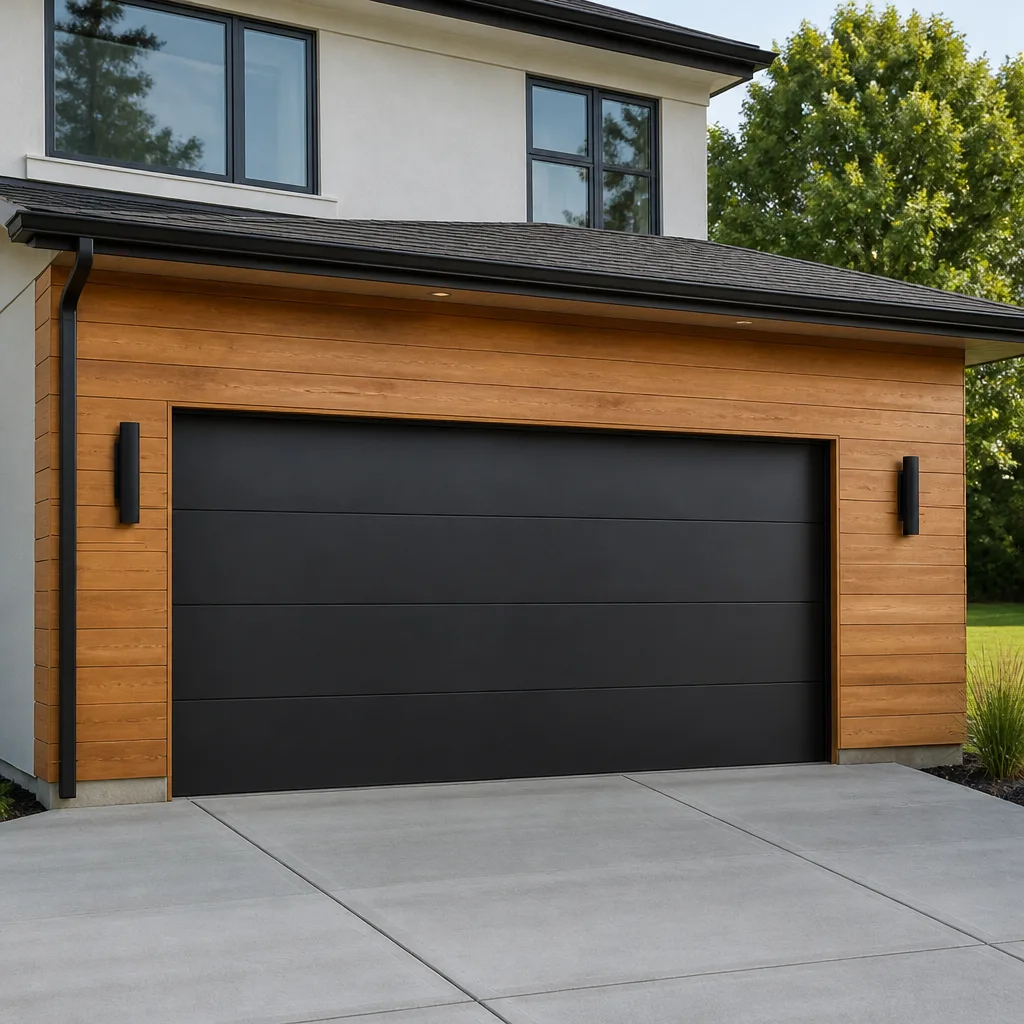 Modern flush
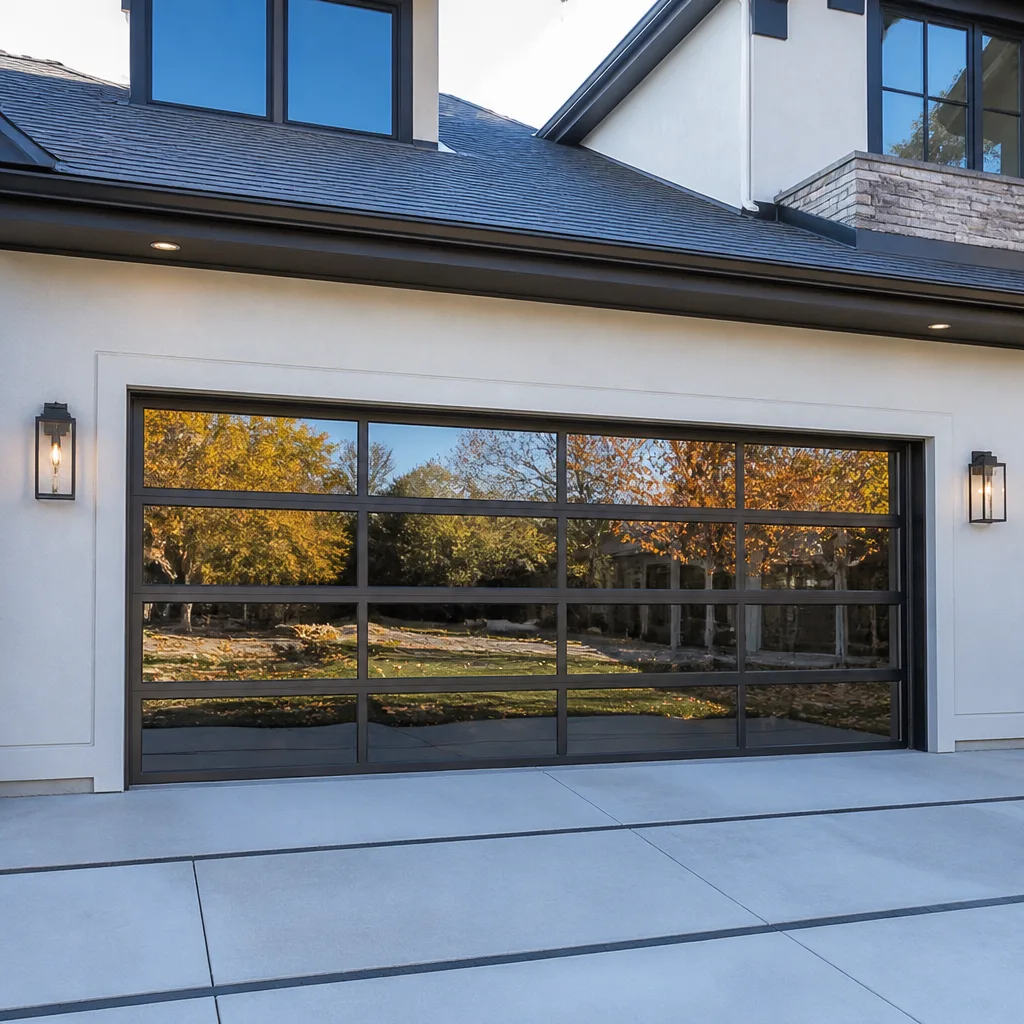 Full-view glass
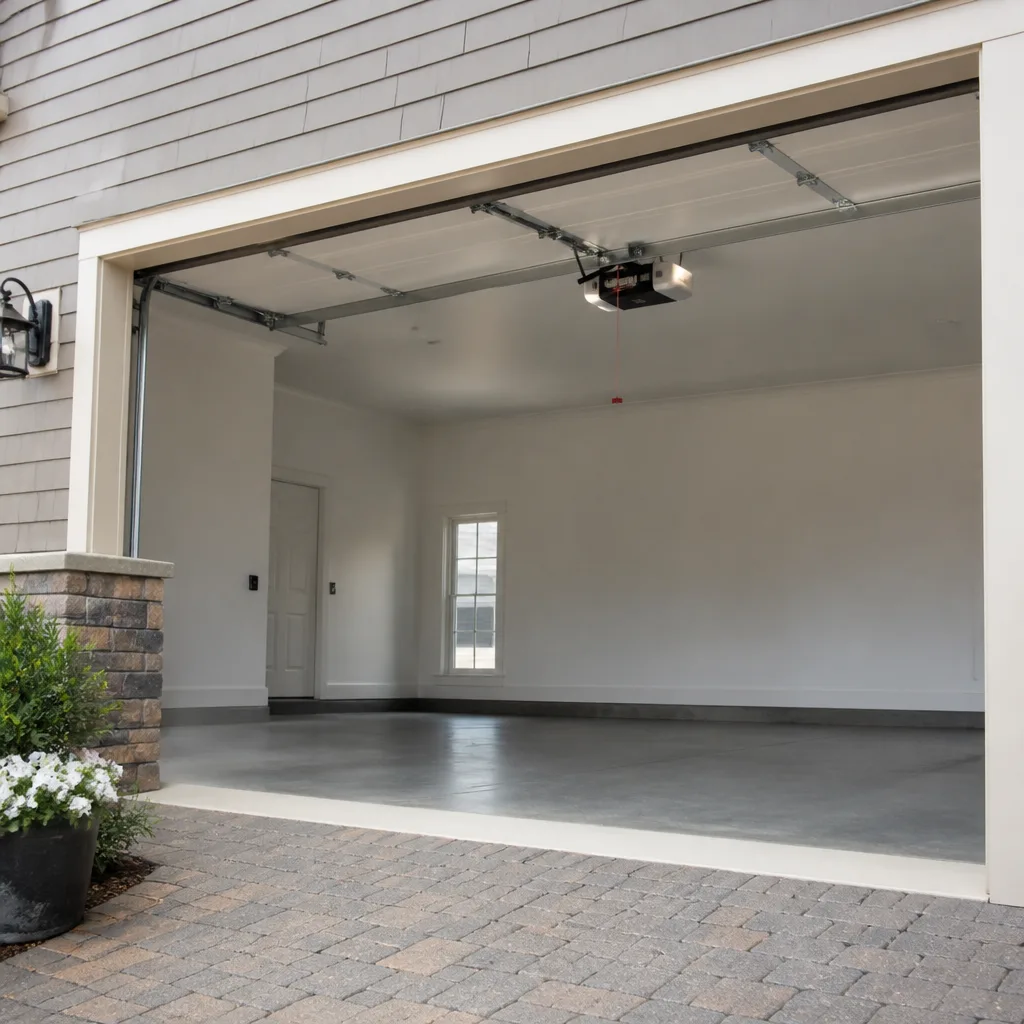 LiftMaster openers
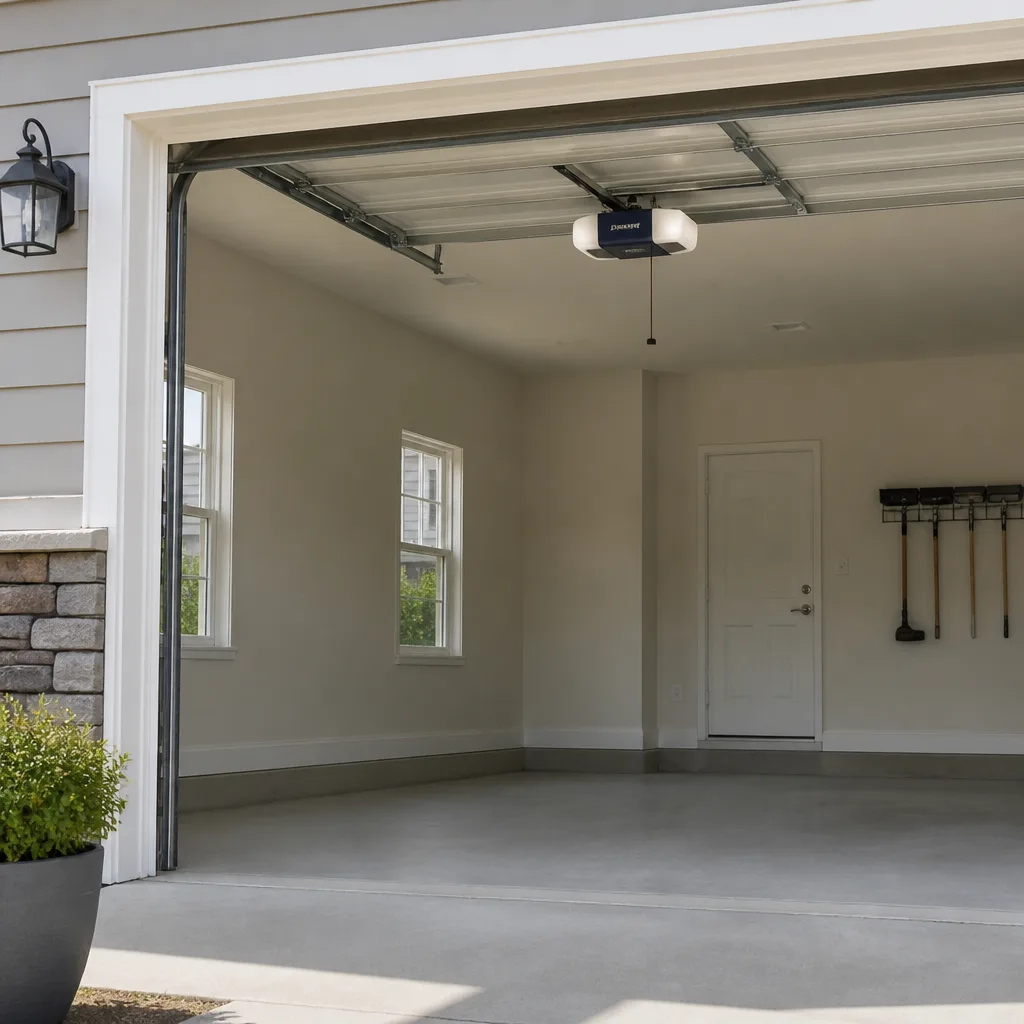 Chamberlain openers
Full 25-point door and opener safety check with every visit - springs, cables, rollers, tracks, and your LiftMaster or Chamberlain opener included
You get a price before we start. It does not change when the pro arrives.
Get your free estimateSeasonal Garage Door Care for Squirrel Hill: Year-Round Homeowner’s Guide
Here’s what surprises most homeowners: the springs that snap in January and February don’t fail because of the cold. They fail because of the November and December before it. In Squirrel Hill, temperatures routinely swing 30 to 50 degrees in a single week during that stretch, and each swing flexes high-tension steel thousands of times without anyone touching it. By the time true winter arrives, the metal has already been worked. This guide walks through what to do in each window of the Squirrel Hill calendar: what to prep before the cold, what to watch when the cold hits, what salt and freeze-thaw do on the other side, and how Pittsburgh humidity plays into the summer months.
Styles & brands we work with
- Raised-panel steel
- Carriage house
- Modern flush
- Full-view glass
- LiftMaster openers
- Chamberlain openers
Quick Answer
Seasonal garage door care in Squirrel Hill means watching two transition windows most closely: late October through December, and March. In fall, re-tension springs and re-lubricate rollers before cold weather locks the coil gaps and thins the grease. In spring, clean road salt and brine residue off bottom brackets and cables, check track alignment after frost heave, and realign safety sensors knocked out during snow clearance. Everything else – a light summer check for humidity swelling and annual cable inspection – follows from those two windows.
Table of Contents
- Why Squirrel Hill’s Garage Door Stress Calendar Isn’t Evenly Split
- Fall: Why October Is the Real Deadline, Not December
- The Fall Prep Checklist for a Squirrel Hill Garage Door
- Winter: When the Bottom Seal Freezes to the Floor
- Winter Opener Care and Why Forcing It Does Damage
- Spring Recovery: Salt, Brine, and Frost Heave
- Summer: Humidity, Wood Doors, and Opener Logic Boards
- Year-Round Cable Inspection and Why Summer Cables Lie
- Common Mistakes to Avoid
- When to Call a Professional
- Frequently Asked Questions
- The Bottom Line
Why Squirrel Hill’s Garage Door Stress Calendar Isn’t Evenly Split
Most seasonal maintenance advice treats the year like four even quarters: spring, summer, fall, winter, each getting the same attention. In Squirrel Hill, that’s the wrong model. The real stress falls into two hard transition windows, and the rest of the year is comparatively quiet.
The first window is late October through December. A single week in that stretch can move from the high fifties to the low twenties and back again. Every one of those temperature swings contracts and expands the torsion spring coil, the cables, the track, and the bottom seal at different rates. The spring does most of the work. Steel that’s asked to flex repeatedly while under constant high tension accumulates fatigue faster than steel that sits at a steady temperature. That’s the mechanism behind a spring that finally gives in January or February: the critical damage was done in the swing weeks before.
The second window is March. Once the snow and ice clear, Squirrel Hill streets and driveways leave behind a film of road salt and brine. That residue migrates onto the garage floor, splashes onto the bottom brackets, and works into the cables. Meanwhile, the freeze-thaw cycle has been heaving the ground under the driveway and around the slab, which is the quiet cause of many track alignment problems that show up in early spring.
Everything outside those two windows is maintenance, not repair. A light summer check and a cable inspection fit into the slack between them. Homeowners on the flat streets between Forbes and Murray tend to see the least salt residue, while those on the steeper blocks leading up toward Beeler and Wightman see more, because the road salt is applied heavier where grades are steeper.
Understanding this rhythm is the difference between fixing a door when it breaks and keeping it from breaking. If you want a sense of the repair work this rhythm generates, Garage Door Repair Squirrel Hill covers the categories we handle most.
Fall: Why October Is the Real Deadline, Not December
The single most useful seasonal move a Squirrel Hill homeowner can make is treating October as the deadline, not late autumn. By the time December arrives, the adjustments that matter most are either done or much harder to do.
Here’s the technical reason. Torsion springs are wound coils held under tension. As temperatures drop, the steel contracts and the coil gaps close, which reduces the spring’s effective travel and changes its balance point. On a balanced door, that balance point is what lets the opener do its job without extra strain. When the balance drifts in the cold, the opener works harder on every cycle and the spring operates outside its designed range. Re-tensioning in October, while the weather is still steady enough to hit the right balance, prevents that drift.
Grease behaves the same way. The lubricant that flows freely at 55 degrees doesn’t flow at 20 degrees – it thickens and pulls away from the wear surfaces on rollers, hinges, and the torsion bar. Lubricating before the cold means the grease is already in the right places when the temperatures drop. Waiting until the door starts squealing in January means the roller bearings have already been running dry for weeks.
October is also the last comfortable window for the more physical checks: spring balance testing, track inspection, and cable condition. Doing those checks when the garage is cold is unpleasant and harder to do correctly with gloves on. In Squirrel Hill, where garages are often under the house or set below street level, that indoor temperature hit is real.
If you flip through one page of this whole guide, make it the next one. The fall checklist is the one that saves you the most.
The Fall Prep Checklist for a Squirrel Hill Garage Door
Run this checklist in October, before the first real cold snap. Most of it takes an hour, and much of it is observation rather than adjustment. Anything involving high-tension springs, cables under load, or the opener’s internal drive is a professional job – not because we’re trying to pad the invoice, but because a torsion spring stores enough energy to cause serious injury if it’s released out of control. Every technician who does this work for a living has a story of a homeowner who tried it once and got lucky.
- Balance test the door. Pull the release cord with the door closed, then lift the door halfway by hand. A balanced door stays put around mid-travel. If it drops or rises on its own, the spring tension is off.
- Look at the springs, don’t touch them. On torsion springs, look for visible gaps or daylight between the coils. On extension springs, look for stretched sections or a broken safety cable. If either is damaged, stop and call.
- Re-lubricate the rollers, hinges, and torsion bar. Use a garage-door-rated lubricant, not WD-40. Apply where metal meets metal – the roller stem, the hinge pins, the spring coil itself.
- Check the weather seal for cracks. Look at the bottom seal and any side seals. Cracks that look small in October become the cold-air and water entry points in January.
- Inspect the track for bends or loose brackets. A bent track forces the door to fight its own path on every cycle, which wears out the opener faster than any other single problem.
- Test the safety sensors. Break the beam with an object while the door is closing. The door should reverse. If it doesn’t, realign or replace the sensors before cold weather.
- Test the auto-reverse. Place a piece of wood flat on the floor, close the door, and confirm it reverses on contact. This is the safety feature that matters most.
- Clean and adjust the photo eye bracket. Many Squirrel Hill garages have sensors mounted on thin steel brackets that get nudged during summer cleanup or storage shuffling. A sensor that’s off by half an inch is a sensor that fails when it’s coldest.
If you get through the list and one item is out of spec, calling someone in October is cheaper than calling someone in January. That’s not a sales point; it’s how the calendar works. We handle garage door repair year-round, but the work that actually protects the door long-term gets done in the fall.
Winter: When the Bottom Seal Freezes to the Floor
A frozen bottom seal is one of the most common Squirrel Hill winter calls, and the instinct to fix it with the opener is the most expensive response. Here’s what to do instead.
The bottom seal is the rubber or vinyl strip running along the bottom edge of the door. In cold weather, moisture under the door freezes and adheres the seal to the slab. When you hit the remote and the door has to fight that adhesion, the force transfers back through the opener mechanism. On a chain-drive or belt-drive opener, the weakest link is the drive gear or the trolley – the small plastic or metal component that translates motor force into door movement. Forcing it once rarely does damage. Doing it repeatedly over the course of the winter strips the gear.
What to do when the door feels stuck to the floor:
- Stop the opener and don’t retry it immediately. Give the ice a chance to release.
- Physically separate the seal from the slab. A plastic scraper or a putty knife worked gently along the bottom edge will release the seal without tearing the rubber.
- Clear the ice and standing water from the bottom of the door after you get it open.
- Treat the bottom of the seal once it’s dry. A silicone spray or an automotive rubber protectant discourages the freeze.
- Once you’re inside the garage, run the door manually (with the release engaged) to confirm the seal is no longer binding.
If the drive gear is already stripped – you’ll know by the grinding sound and the door’s inconsistent travel – the opener needs a repair, not just the door. This is exactly the kind of failure our garage door opener repair service covers, and we work specifically on LiftMaster and Chamberlain units, which is what’s on the majority of Squirrel Hill garages. If you’re not sure which unit you have, the model number is on a label on the back panel of the housing, and reading it off is much easier than guessing after the fact.
While you’re in the garage, look at the safety sensors on the bottom corners. Snow and ice cleared off the driveway often end up piled against the sensor brackets, blocking the beam. A sensor that’s become misaligned from moving a snow shovel is a garage door that won’t close, and it’s one of the easiest calls to fix once you know where to look.
Winter Opener Care and Why Forcing It Does Damage
The opener itself takes more stress in winter than any other season, and most of that stress is avoidable. Understanding how your particular unit behaves in cold weather is the first step.
Chain-drive openers, common on older Squirrel Hill garages, stiffen noticeably in the cold. The chain doesn’t shrink, but the rails and the trolley tighten, and the opener draws more current to move the door. Belt-drive units lose tension as the belt contracts in cold, which can create lag between the motor and the door. Screw-drive openers handle cold better but are noisier in any season. On Raynor and Genie systems especially, the opener logic and the door hardware work as a package – the opener is calibrated to a door that’s balanced and rolling freely, and cold weather upsets both of those assumptions.
What to check in winter:
- Confirm the door runs freely by hand before relying on the opener. With the door released, it should move with modest pressure. If you’re fighting it, the opener will too.
- Listen on the first cycle of the day. A grinding start or a pause before movement is a sign the opener is straining. Don’t ignore it.
- Check the garage door opener force settings. Most modern openers have force-adjustment dials on the back panel. They should not be pushed to maximum to compensate for a door that needs realigning – the force setting is designed for normal variation, not for a door that’s genuinely binding.
- Keep the photo eye lens clean. Winter road grime and salt spray on the sensor lens is enough to break the beam and stop the door mid-cycle.
- Check the battery backup, if you have one. Many LiftMaster and Chamberlain openers include a battery backup for power outages. Cold drains batteries faster, and a backup that hasn’t been tested since summer is a backup you can’t rely on.
The rule that saves the most opener repairs in Squirrel Hill is simple: if the door won’t move by hand, don’t ask the opener to move it. Electric motors can force a door that’s binding, but they pay for it in drive gear wear, and the repair is more expensive than whatever the original problem was.
Spring Recovery: Salt, Brine, and Frost Heave
March is when the year’s hardware damage shows up. Snow and ice clear, the freeze-thaw cycle winds down, and the door surfaces finally dry out enough to inspect. Three specific things need attention once spring arrives in Squirrel Hill.
Salt and brine residue. The de-icing materials on Pittsburgh-area roads – both rock salt and the liquid brine pre-treatments – end up on the garage floor and the door’s bottom hardware. Brine is often the more aggressive of the two because it clings. Over a winter, the steel bottom brackets and the cable ends near the bottom of the door can corrode. Left untouched, that corrosion eats at the cable attachment points. Clean the bottom brackets with fresh water and a brush, dry them, and apply a light protective lubricant. If the cable heads look noticeably pitted or rusted, that’s a repair call, not a cleaning job.
Track alignment after frost heave. The ground under and around a driveway moves during winter. When it moves, the slab the door track is anchored to moves with it. A track that was perfectly plumb in October can be out of alignment by a fraction of an inch in March – enough that the door no longer rolls smoothly. Open the door by hand and watch both tracks. Binding, uneven travel, or a door that jumps toward one side are all alignment signs.
Sensor realignment. Snow shoveling, ice dams, and plowed slush are all hard on the sensor brackets mounted low on the door frame. In spring, run the sensor test again: break the beam, confirm the door reverses. If the door stopped working at some point during the winter and you’re not sure why, the sensors are the first thing to check.
If those inspections turn up damage that’s beyond cleaning and adjusting, the spring repair work in our garage door repair service is what most March repairs turn out to be: cable replacements, spring replacements, and track corrections. Cold-damaged components don’t heal themselves as the weather warms; they’re just easier to notice.
Summer: Humidity, Wood Doors, and Opener Logic Boards
Pittsburgh summers bring stretches of high humidity, and that humidity affects garage doors in ways most homeowners don’t connect until something goes wrong. Two issues dominate.
Wood door panel swelling. A wood garage door takes on moisture in humid weather and releases it when it’s dry. The result is that wood doors are built with expansion tolerances – a little play between the panels and the frame. Most of the time that’s invisible. But if you’re in a stretch of humidity where the panels swell beyond the typical range, the door can bind against the frame, rub against a seal, or develop a small gap that didn’t exist before. This is normal behavior, not failure, provided the swelling stays within tolerance. If the door no longer closes cleanly or the gaps at the sides have become visible, the panels have swollen beyond tolerance and the door needs adjustment. Clopay and Amarr wood-look doors built with composite skins behave differently and typically show less of this – which is why we ask what brand the door is before quoting work.
Opener logic boards and hot, poorly ventilated garages. Squirrel Hill has a lot of garages tucked under house bulkheads or built onto the back of the structure. These spaces get hot and humid. Opener logic boards – the circuit board inside the opener housing – are more likely to fail in these conditions than in a well-ventilated detached garage. If the opener stops responding to remotes but works from the wall button, or if it shows intermittent behavior in the summer, the logic board or a marginal remote battery is usually the cause. Chamberlain Group products (which include LiftMaster and Chamberlain branded openers, plus many Craftsman models) use proprietary remotes, and the pairing process for replacing them is specific to the brand.
Summer is also the right time for the annual cable inspection and the light lubrication passed over in June. Cooler mornings make both easier.
Year-Round Cable Inspection and Why Summer Cables Lie
A cable that looks perfect in July can show separation in January, and understanding why is the difference between spending the $200 on a cable replacement and spending a lot more on the aftermath. Garage door cables are steel aircraft cable with a braided structure. They connect the bottom of the door to the spring system and are under tension every time the door moves.
Three things happen to cables over a Pittsburgh winter:
- Thermal cycling. The steel expands with warmth and contracts with cold. Each full cycle stresses the braided structure. Over a winter with regular 30 to 50 degree swings, that’s a lot of cycles.
- Moisture intrusion. Individual strands within the braid can take on moisture. Repeated freezing and thawing of moisture inside the cable damages the interior structure first. That’s why a visual inspection can miss a failing cable – the outer braid still looks intact while the interior strands have started to separate.
- Corrosion at the end fittings. The swaged fittings at each end are where the cable attaches to the bracket and the drum. Road salt and brine are hardest on these points. Corrosion inside the fitting changes the way the cable seats and can cause the fitting to fail.
What to look for in any season:
- Fraying. Any broken or lifted strands along the cable’s length, especially near the end fittings.
- Kinks. A sharp bend in a cable that should be smooth is a sign of a stress point.
- Rust. Any visible rust on the cable or at the fittings.
- Loose tension. A cable that hangs slack when the door is closed or open (depending on the configuration) is a cable that isn’t doing its job.
Cables are one of the components that should never be worked on by a homeowner, and not because they’re complicated – they’re straightforward steel. They’re dangerous because of the energy stored in the system that the cable is part of. If a cable fails while the door is up, the door can fall. If it’s damaged during installation, the same applies. Our garage door repair work includes cable replacement as one of the highest-volume repairs we do for Squirrel Hill homeowners.
If the cables in your door are original and the door has been through more than a few Pittsburgh winters, the honest answer is that they’re on borrowed time. The good news is that cables are inexpensive relative to the damage they prevent.
Common Mistakes to Avoid
Most of the garage door damage we see in Squirrel Hill was preventable. These are the patterns we run into most.
- Waiting for the spring to break before checking balance. A door that’s been lightly off-balance for weeks is one that’s been quietly wearing the opener. The balance test takes 30 seconds and should happen in October, not March.
- Using WD-40 instead of garage-door lubricant. WD-40 is a solvent, not a lubricant; it strips existing grease and evaporates. A proper garage-door lubricant stays where it’s applied. This is the most common DIY mistake we see on Squirrel Hill doors.
- Forcing a frozen bottom seal with the opener. The opener will eventually win, and then the drive gear will strip. Release the seal by hand, then open.
- Ignoring salt residue until spring cleaning. Leaving brine on the bottom brackets through a whole winter gives it months to work into the cables and fittings. A two-minute rinse in February makes a difference by March.
- Adjusting the opener force setting to compensate for a binding door. Force settings are for normal variation, not for masking a track that’s bent or rollers that are seizing. Forcing the door over a real problem wears out the opener faster.
- Assuming a wood door that “feels tight” in summer is broken. It might just be swollen within tolerance, and it may settle as the humidity drops. Before calling anyone, note the humidity pattern. If the door works fine in October and doesn’t in August, that’s a clue.
- Doing spring work alone. We include this one on every guide we write because it’s the mistake that ends the worst. Even a well-informed homeowner with the right tools is a serious injury away from a bad day working on a torsion spring. A spring replacement is a service call, not a DIY project.
When to Call a Professional
Some jobs need a specialist. A spring that’s broken, a cable that’s separated, an opener that’s hitting the end of its travel and grinding, a track that’s visibly bent, a door that’s come off one of its rollers, a bottom seal that’s torn all the way through, or a sensor issue that persists after realignment – all of those are calls, not weekend projects. Any of them present risk of injury if attempted by a homeowner, and all of them are quick repairs when handled by someone who does them regularly.
We also get called for less urgent things that a specialist can resolve faster than trial and error: brand-specific diagnostics on LiftMaster, Chamberlain, Genie, Raynor, Clopay, Amarr, Wayne Dalton, and Craftsman systems; parts sourcing when a component needs to be replaced with the actual OEM part; and installations when a Squirrel Hill homeowner is planning a garage door installation and wants a proper measurement and quote before ordering. We handle garage doors – that’s all we do – which means every technician, every tool, and every part we carry is chosen for that one trade. Our technicians have up to 10 years of experience, and our pricing is set per job by a free written estimate.
Garage Door Repair Squirrel Hill offers free estimates in Squirrel Hill – call (833) 482-6529. We answer 24/7. Fast dispatch from 7am to 7pm, Sunday through Friday.
Frequently Asked Questions
Schedule maintenance in October, before the first real cold snap. That’s when re-tensioning springs, re-lubricating rollers, and testing balance and sensors are still easy to do, and the work prevents the November-to-December stress that leads to January spring failures. A second, lighter check in March handles salt cleanup and track inspection after the freeze-thaw cycle. Call (833) 482-6529 for a free estimate on what your door actually needs.
The cold itself isn’t the primary cause – accumulated metal fatigue from repeated temperature swings in November and December is. A spring that’s been through several Pittsburgh winters without attention is more likely to fail regardless of the cold snap, because each 30-to-50-degree swing has been working the steel. If the balance test in October shows the door is off, replacing before winter is the safe move. Call (833) 482-6529 for an exact quote – estimates are free.
Price depends on spring type, door weight, and whether it’s a single spring or a matched pair, and the written estimate is what sets the final price. We quote per job once we’ve confirmed what the door actually needs. Call (833) 482-6529 for an exact quote – estimates are free.
No, and don’t force it. Running the opener against a frozen seal is how drive gears get stripped, and a stripped gear repair is more expensive than the seal adjustment it was trying to avoid. Release the seal manually with a plastic scraper, clear the ice, and dry the bottom edge before running the opener again. If the opener’s already grinding, the repair is quick. Call (833) 482-6529 for an exact quote – estimates are free.
Cold-weather failure usually comes from one of three places: a spring that’s lost tension due to contraction, a bottom seal that’s freezing to the floor, or an opener that’s straining because the door’s no longer balanced. All three are fixable, and none of them get better on their own as winter stretches on. If your door “springs back to life” in April, it’s actually telling you a maintenance issue exists. Call (833) 482-6529 for an exact quote – estimates are free.
Yes – especially on wood doors. Wood panels swell in humid weather and release moisture when it’s dry, and the door is built with expansion tolerances that absorb normal variation. When humidity stays high for weeks, panels can swell past tolerance, causing binding against the frame or visible side gaps. Composite doors (common in the Clopay and Amarr lines) show less of this. Humidity also stresses opener logic boards in tight, under-house garages. If your wood door isn’t closing as smoothly in August as it does in October, it’s worth a look. Call (833) 482-6529 for an exact quote – estimates are free.
The local pros we connect you with are licensed and insured as their state requires, and they work specifically on garage door systems rather than general home repair. Brand familiarity matters: we work specifically on LiftMaster, Chamberlain, Genie, Raynor, Craftsman, Clopay, Amarr, and Wayne Dalton equipment, so the technician knows the quirks of your specific system. Call (833) 482-6529 for an exact quote – estimates are free.
The Bottom Line
Squirrel Hill’s garage door calendar isn’t four even seasons – it’s two transition windows and a lot of maintenance between them. October is when you re-tension springs, re-lubricate rollers, and test the balance. March is when you clean off the salt, check track alignment after frost heave, and re-test the sensors. Summer’s job is to watch for wood door swelling and opener logic board problems in humid garages, and to get the annual cable check in before the cold. The throughline all year is that door hardware is a system, and stress in one component shows up in another. Springs fail in January because November worked them. Cables fail in winter because summer hid their damage. Watch the swing windows closely and the rest of the year takes care of itself.
If any of this puts you in front of a job you’d rather have a specialist handle, or if the fall checklist turned up something you’re not sure about, call us. Garage doors are all we do.
Call (833) 482-6529 for a free estimate. We answer 24/7. Fast dispatch from 7am to 7pm, Sunday through Friday.
Written by the team at Garage Door Repair Squirrel Hill.
See the difference
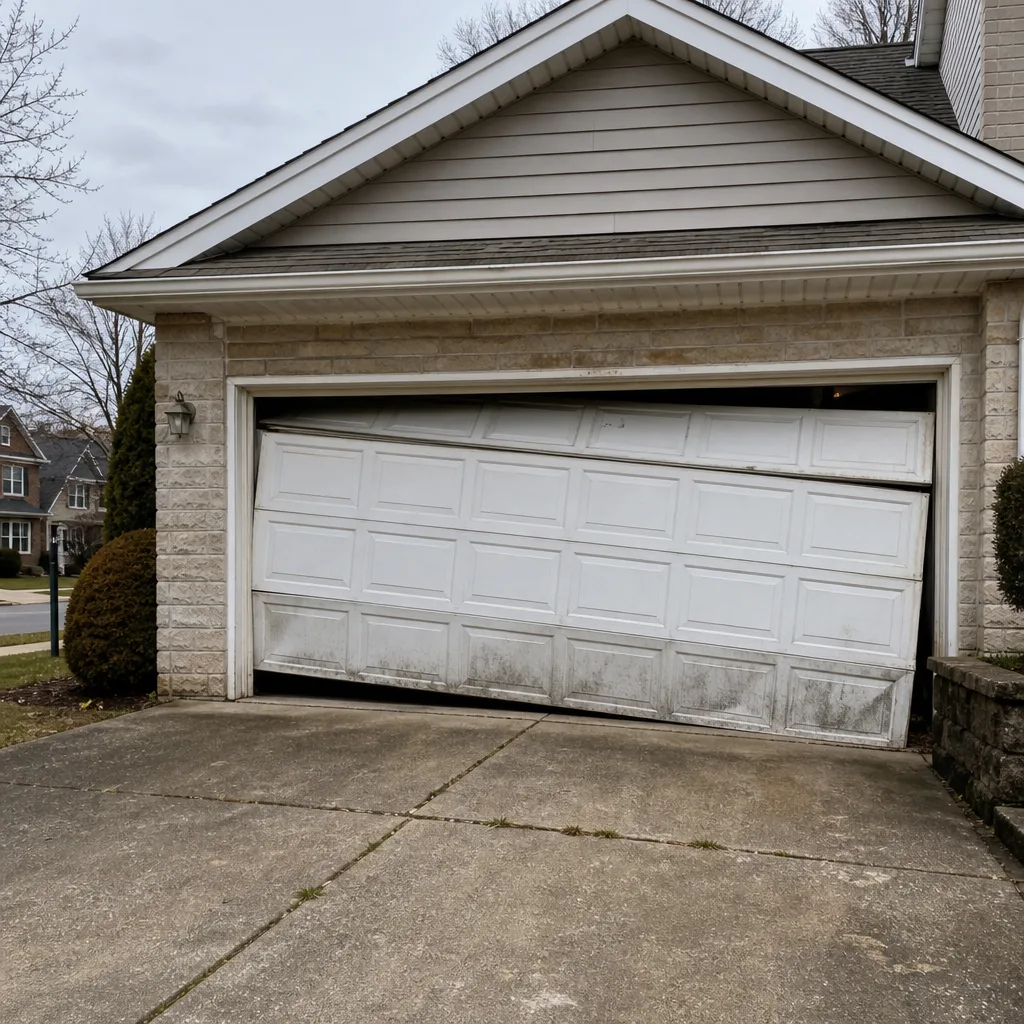 Before
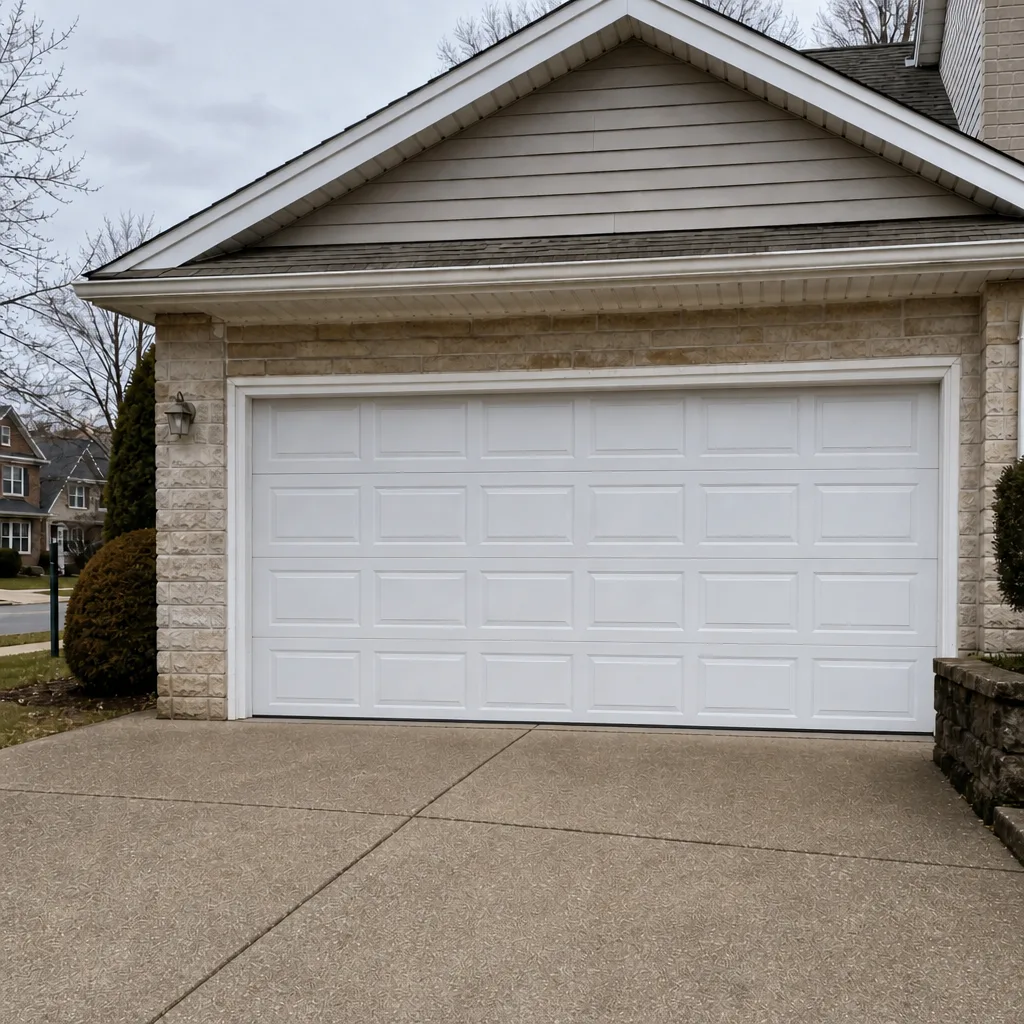 After
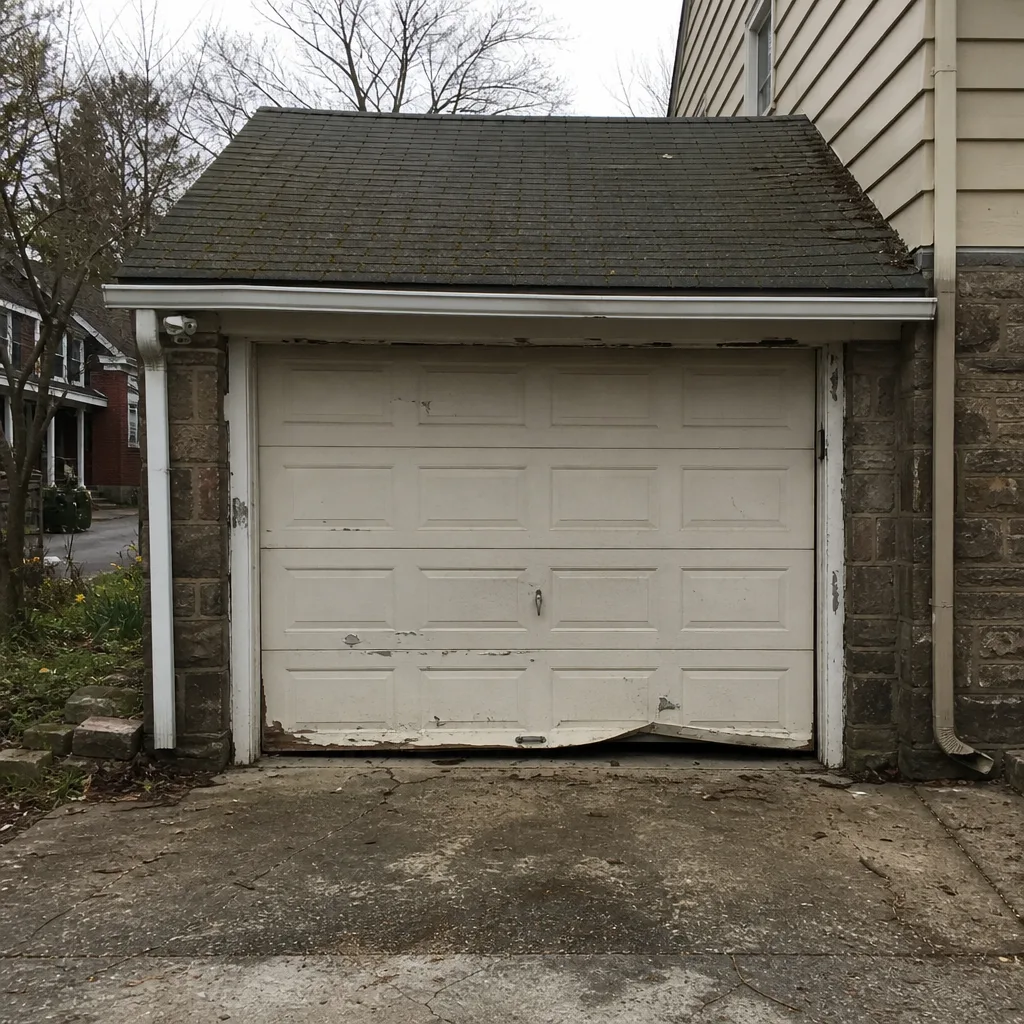 Before
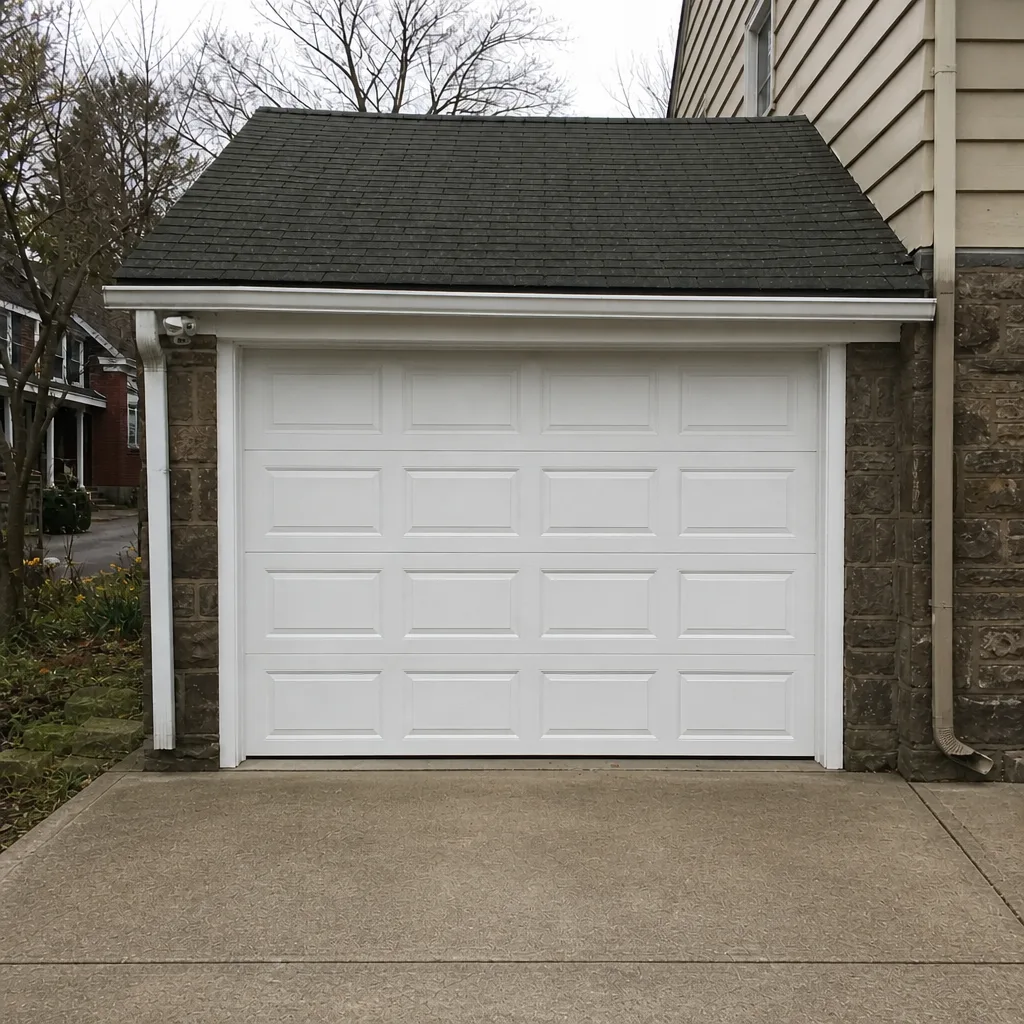 After
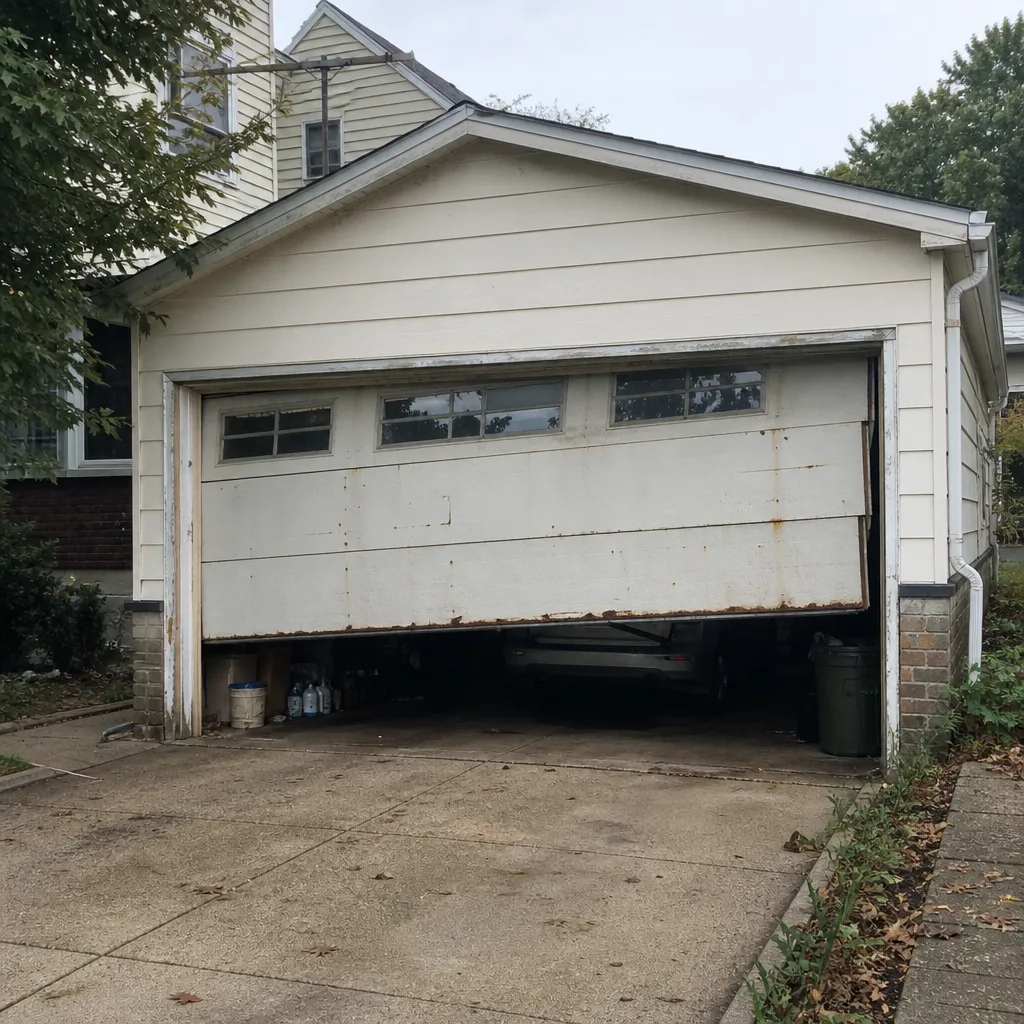 Before
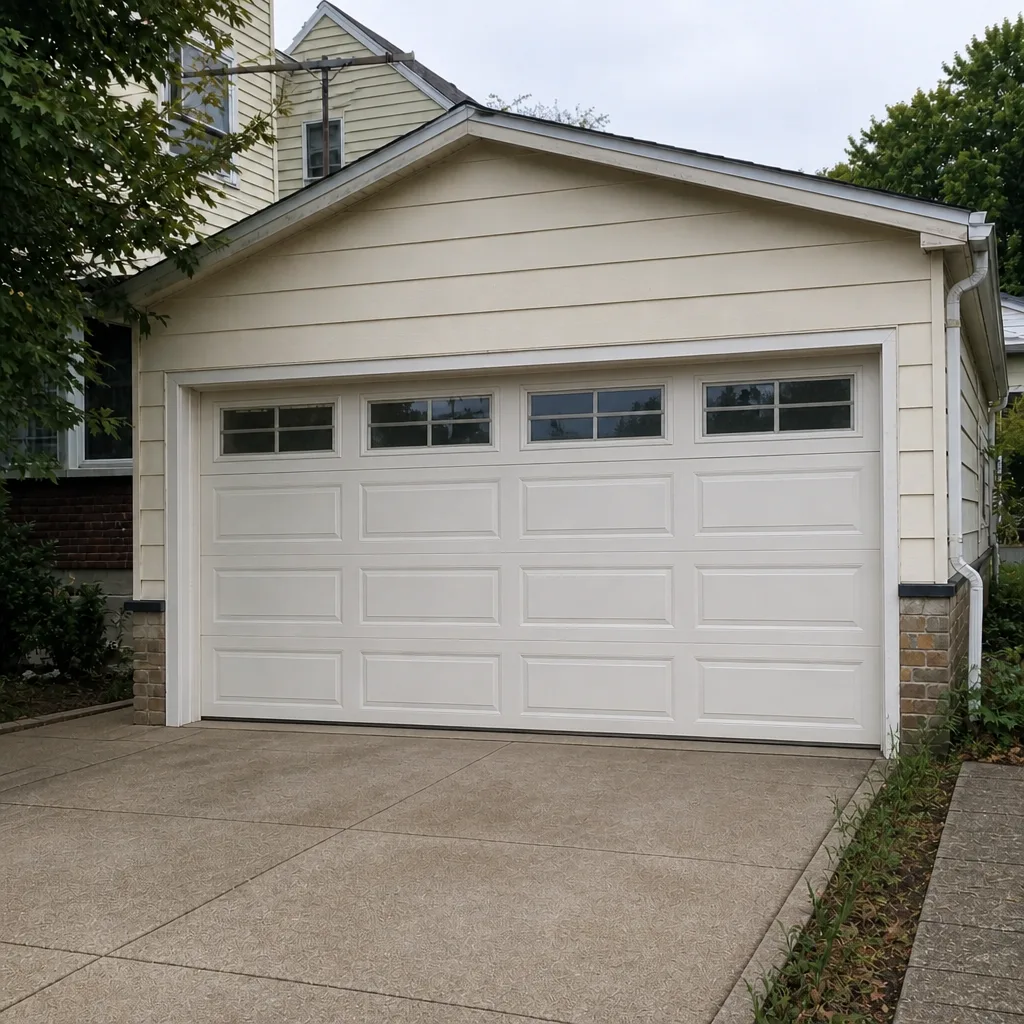 After