
Last updated November 23, 2026
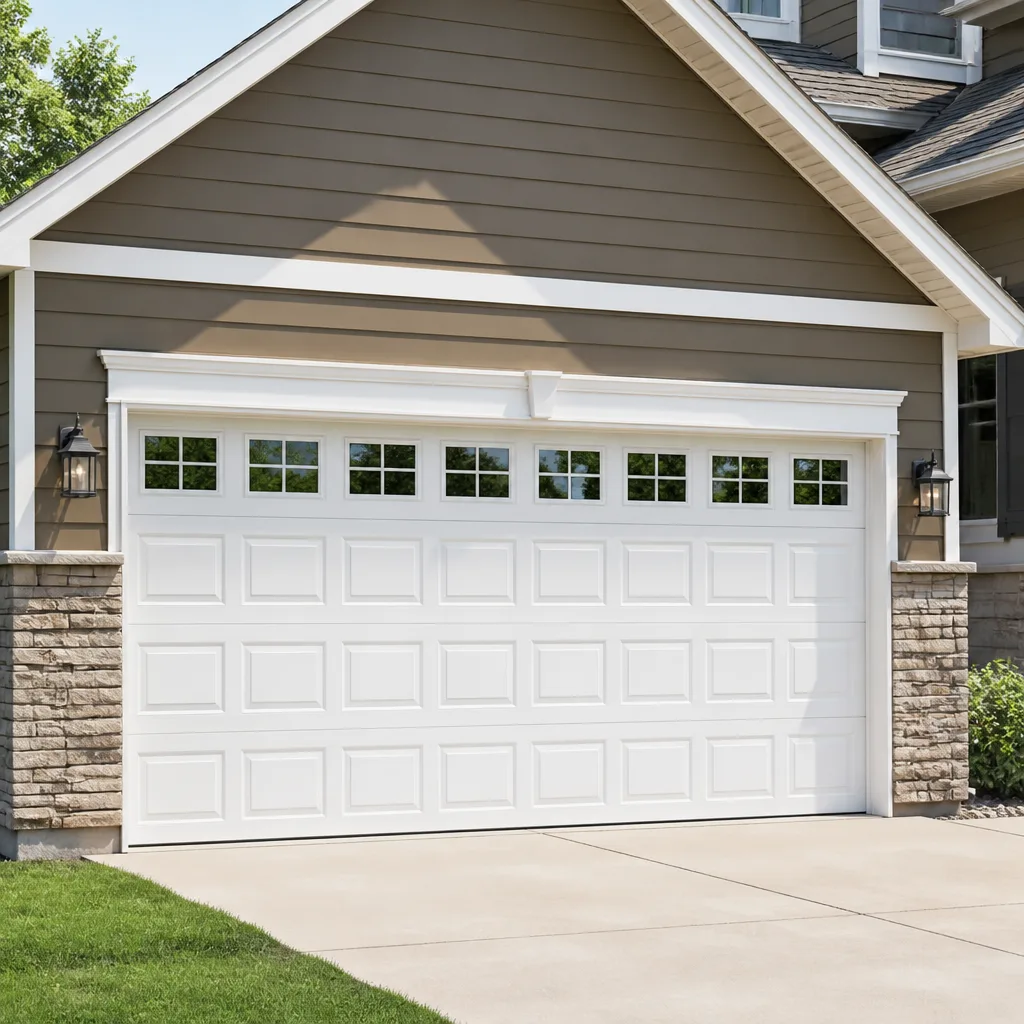 Raised-panel steel
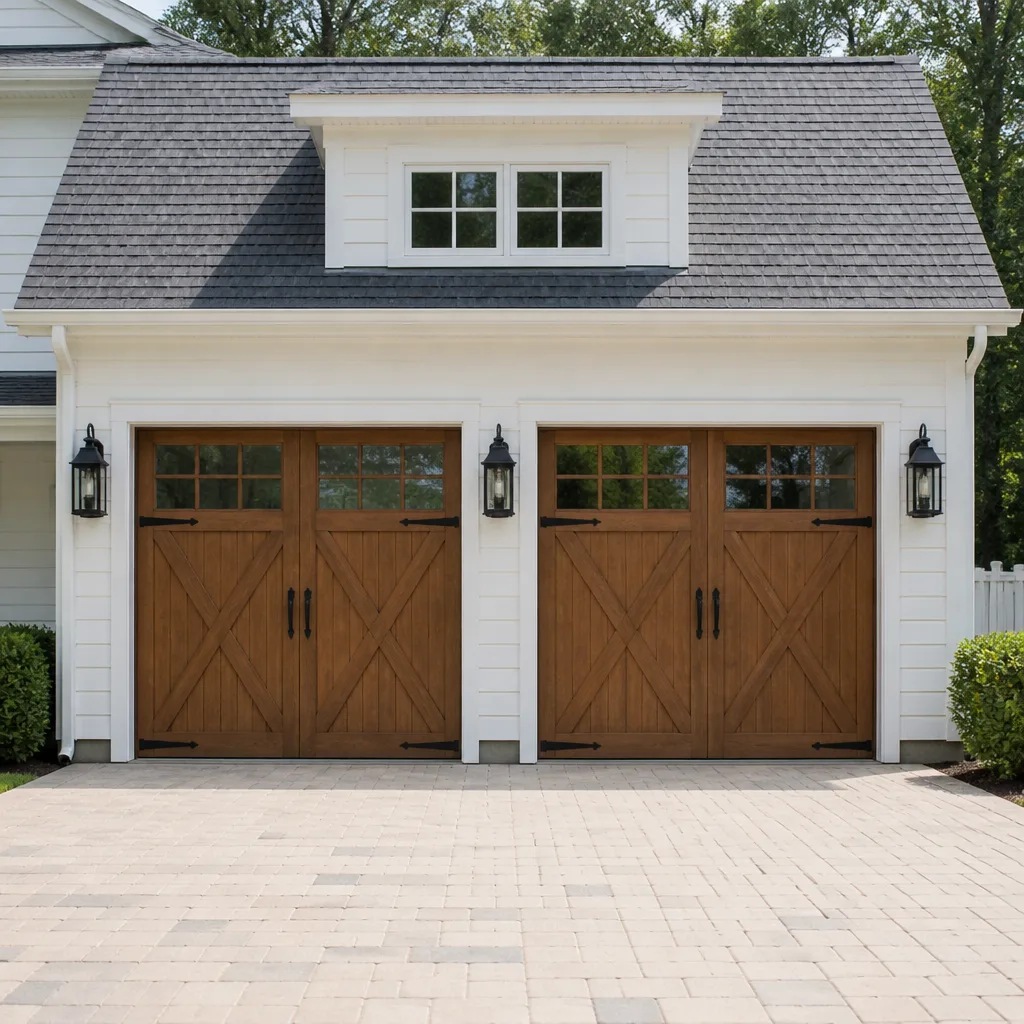 Carriage house
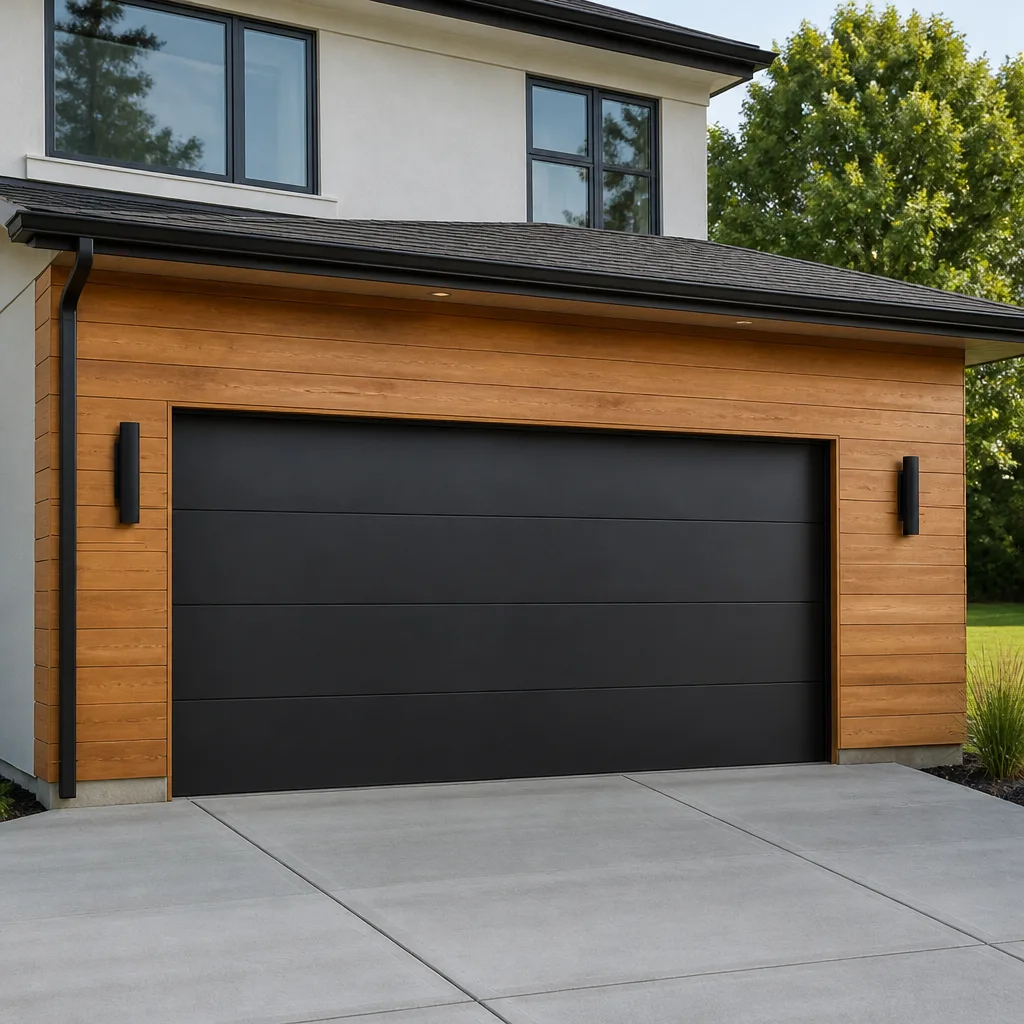 Modern flush
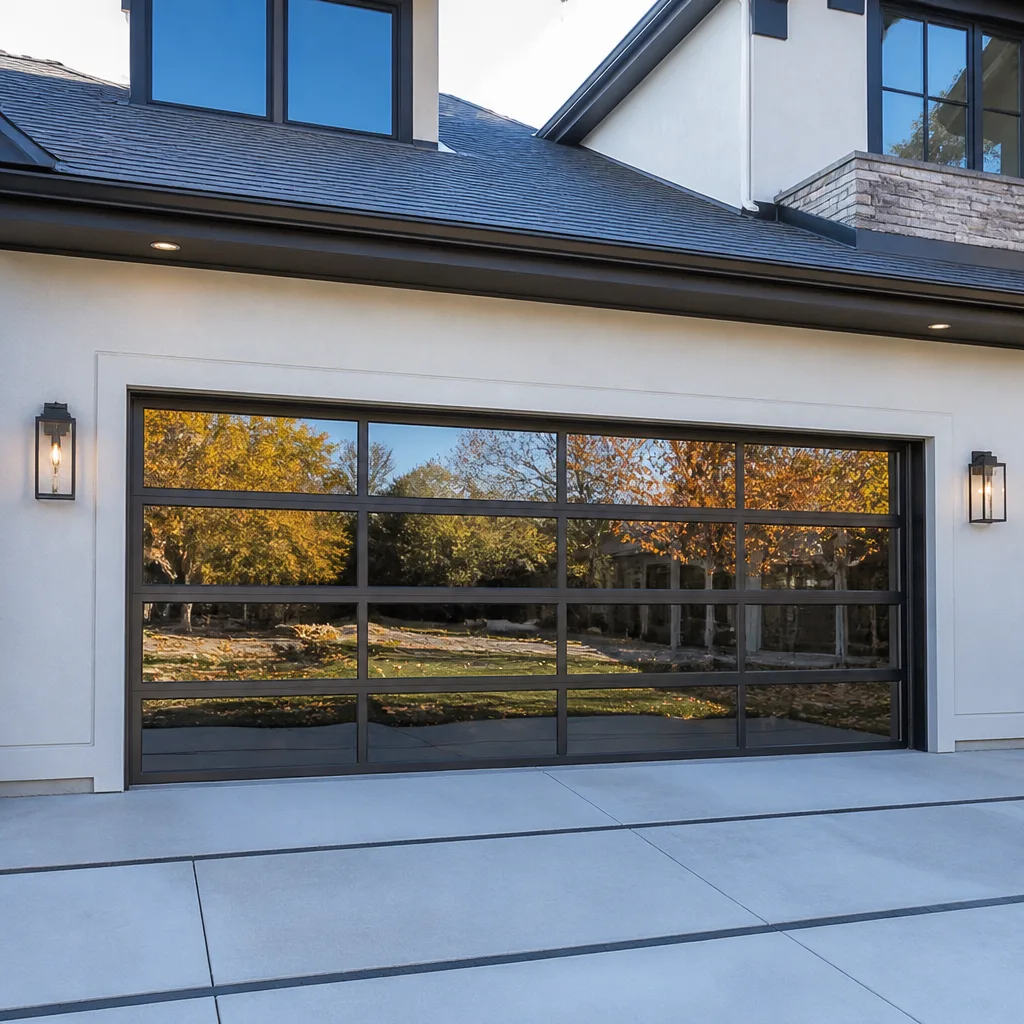 Full-view glass
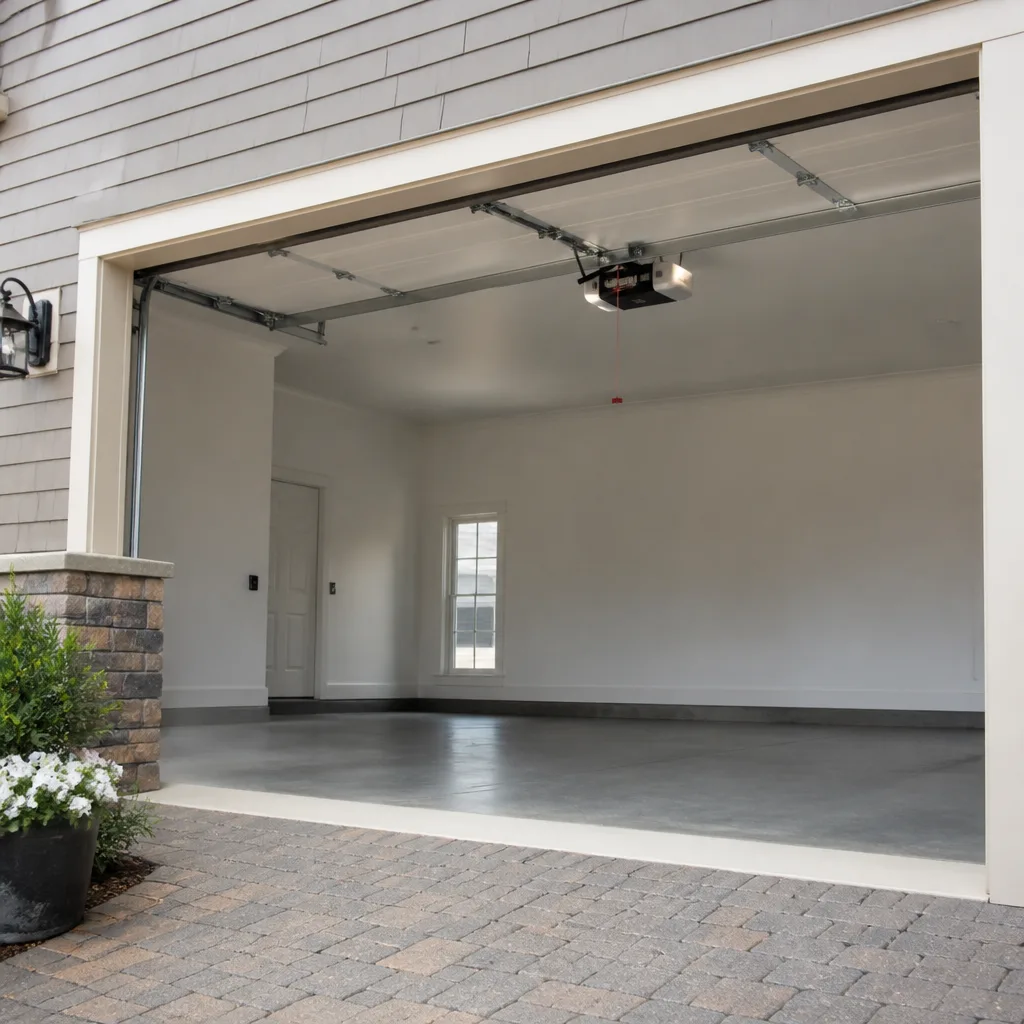 LiftMaster openers
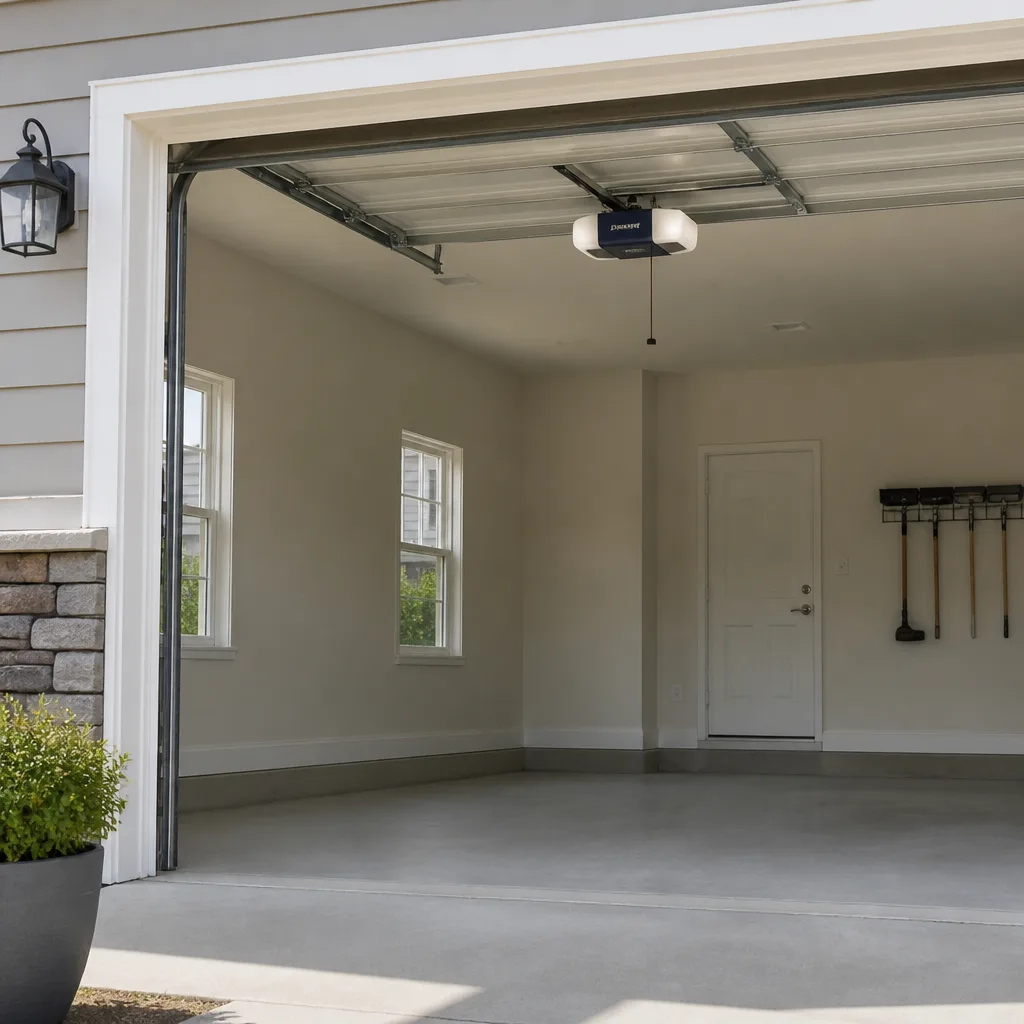 Chamberlain openers
Full 25-point door and opener safety check with every visit - springs, cables, rollers, tracks, and your LiftMaster or Chamberlain opener included
You get a price before we start. It does not change when the pro arrives.
Get your free estimateGarage Door Emergency Preparedness Guide for Squirrel Hill Homes
Most garage door emergencies follow a script. They don’t come out of nowhere. A torsion spring that snaps on a January morning, a door that won’t open after a power outage, a cable that lets go while the door is halfway up: each of these has a known cause and a known first step. In Squirrel Hill, the pattern is even sharper. Ice storms knock out power. Deep freezes weld bottom seals to the floor. Cold snaps break springs that were already near the end of their cycle. The homeowners who get through these moments calm have usually thought through the response before the crisis starts. That’s what this guide gives you: a protocol for each failure mode, so a bad morning stays a bad morning and doesn’t become a bigger repair.
Quick Answer
The safest response to a garage door emergency is to stop operating the opener, keep the door where it is if it’s stuck open, and call a specialist. Never force an opener after a spring snaps, and never touch a door with a broken cable under tension. Most spring and cable failures are repairable the same day, and the price is set by a written estimate before any work begins.
Styles & brands we work with
- Raised-panel steel
- Carriage house
- Modern flush
- Full-view glass
- LiftMaster openers
- Chamberlain openers
Table of Contents
- When a Spring Snaps: The First Ten Minutes
- The Manual Release Cord, Used Correctly
- Power Outage Protocol for Squirrel Hill Homes
- Broken Cable vs. Broken Spring: How to Tell
- Stuck Open, Stuck Halfway, Stuck Closed: When to Call Now
- Freeze-Sealed Bottom Seal: Breaking It Without Damage
- Winter Preparation Before the First Hard Freeze
- What to Tell the Dispatcher
When a Spring Snaps: The First Ten Minutes
A torsion spring snap sounds like a gunshot in the garage, and the door will not lift. The single most important thing to do next is nothing mechanical. Leave the opener alone. Don’t press the remote again to see if it works. Don’t try to help the door up by hand. The opener’s drive gear is plastic or nylon in most residential units, and it will strip against the full weight of a door with no spring assist. That turns a straightforward spring replacement into a spring-and-opener job, and the second repair is the larger of the two.
Here’s the sequence we recommend for a snapped spring:
- Confirm what happened. Look at the torsion bar above the door or the extension springs alongside the tracks. A snapped spring shows an obvious gap or a hanging coil. Don’t put your hands near the hardware.
- Stop touching the door. If the door is down, leave it down. If it’s up, leave it up. Moving it by hand without spring tension can bring it down hard and fast.
- Disconnect the opener from the door if it’s already mid-cycle. Pull the red release cord down and toward the motor unit, then stop. We cover what to do if the trolley won’t re-engage in the next section.
- Take a photo of the hardware from a safe distance. A picture of the torsion setup helps us identify the correct spring wire size and door weight before we arrive.
- Call for a same-day visit. Spring work is the most dangerous job on a garage door because the hardware holds hundreds of pounds of tension. It is not a homeowner task, and it isn’t a job for a general handyman either.
Most Squirrel Hill homes have standard torsion setups on Clopay and Amarr doors, and many of the older houses in portions of the neighborhood have extension springs on both sides of the door instead. The two systems fail differently. Extension springs often show stretch and warn you for months. Torsion springs tend to snap without much of a countdown. Our technicians have up to 10 years of experience working on both, and garage door repair Squirrel Hill starts with identifying your exact hardware before anything is ordered.
The Manual Release Cord, Used Correctly
The red cord hanging from the trolley is the manual release. Pull it and the opener disconnects from the door, letting you lift the door by hand while the opener stays put. Every homeowner should know where it is. Almost nobody should pull it during a spring failure. If a spring is visibly broken, the door has no counterbalance. Pulling the release puts the full weight of the door into your arms, and a standard single-car door weighs well over a hundred pounds. A double door weighs considerably more. When a spring is broken, keep the door connected to the opener and call us.
When the release is useful is during a power outage on a door with working springs. To operate the door by hand safely:
- Check that both torsion cables look intact and the tracks are clear.
- Stand to the side, not under the door, and pull the release cord straight down until it clicks out of the trolley.
- Lift the door with one hand under the bottom section. A properly balanced door should rise with modest effort and stay where you put it.
- Close it slowly and don’t let it drop.
If the spring is dead, the door won’t balance and the release should stay put. If the release has already been pulled and the trolley won’t re-engage when the opener runs, that’s a sign the trolley isn’t lining up with the opener’s carrier, or the door is sitting too low for the trolley to catch. The fix is usually a matter of positioning the door height and running the opener to catch the trolley, but we’d rather you call than force it and bend the door’s top bracket.
Power Outage Protocol for Squirrel Hill Homes
Squirrel Hill sits under a lot of mature tree cover, which means storm outages are a routine part of living here. Ice loading in January and wind-driven limbs in summer both take out power to blocks at a time. The question that matters when the lights go out is whether your opener has a battery backup. Some do. Many don’t. Here’s how to tell.
- Battery backup units: LiftMaster’s 8550W series and similar belt-drive openers with a battery built into the head have a small battery compartment on the motor housing. If yours has one, the opener will run a limited number of cycles during an outage, usually enough to get a car out and back in. You’ll see a light on the motor panel indicating battery operation.
- Most chain-drive openers: No battery backup. The opener is dead until the power comes back, and the manual release is the only way to move the door.
For homes without backup, the manual release is the answer, with the caveat above about spring condition. After the power comes back, run the opener once and watch the full travel cycle from a safe spot. You want to see the door go up smoothly, stop at the same point it always does, and come back down and seal at the floor. If it stops short, reverses on its own, or grinds, that’s a sign the opener has lost its travel limits or the door has shifted. That’s the point to call for a visit. For anything in the Chamberlain Group family (LiftMaster, Chamberlain, Craftsman), our garage door opener repair work includes relearning travel limits and force settings on the same visit.
Broken Cable vs. Broken Spring: How to Tell
Homeowners often call in a broken spring when the actual problem is a snapped cable, or vice versa. The two failures look similar from a distance because both leave the door unable to lift. From inside the garage, they’re easy to tell apart once you know what to look for. Both failures are dangerous, and both require a professional. Knowing which one you have simply helps us bring the right parts and diagnose faster.
- Broken spring: On a torsion setup, look at the bar across the top of the door. A snapped spring shows a visible gap in the coil or a spring that has completely unwound. On extension setups, look at the sides. A broken extension spring will be stretched out and hanging, or sheared in the middle. The door feels heavy and won’t lift by hand.
- Broken cable: Look along the vertical tracks and the drum at the top corners. A snapped cable will hang slack or be wound loose around the drum, and the door will sit crooked in the tracks. The door may lift unevenly, or one corner stays low. The bottom bracket on the affected side will look off-angle.
Here’s the part that matters most: a door with a snapped cable under tension is dangerous to touch, especially the bottom bracket where the cable attaches. Don’t pull on the cable, don’t try to rewind it, and don’t exercise the door to “test” the problem. Both cables feed from drums at the top corners that hold real tension. Cutting or unhooking the wrong thing can release it in a hurry. If you see a broken cable, keep the door where it is and call. Parts availability matters for a fast fix here, which is one reason we supply cables, drums, and related hardware directly instead of sending you out to hunt them down.
Stuck Open, Stuck Halfway, Stuck Closed: When to Call Now
Not every garage door failure is an emergency. Some can wait for the next business day. The distinction comes down to where the door is sitting and what it’s exposing. Use this hierarchy to decide how fast to call.
Stuck open
Call now. An open garage door in Squirrel Hill exposes your tools, bikes, and stored gear to anyone walking past. It also leaves the interior of the house accessible if the door between the garage and the kitchen is unlocked. If the door stops open because of a spring failure, don’t try to close it by hand. If it stops because the opener has failed mid-cycle, disconnecting the trolley and lowering the door by hand is reasonable, provided the springs are intact and balanced.
Stuck halfway
Call now. A door stopped partway up is the most dangerous position: the panel is over your head and unsupported if the spring or cable is compromised. Do not stand under it, and don’t try to lift or lower it. If the door is on a track with a hanging cable, stay clear of the sides, and call us right away.
Stuck closed
Can usually wait until morning. If your car is locked into the garage and you have another way out, the door being closed is safe: it’s secure, it’s not under dangerous load, and no emergency exists. Call us during dispatch hours, and we’ll schedule a visit. The one exception is a family member who needs the car for a medical appointment or similar, in which case call right away. We answer 24/7. Fast dispatch from 7am to 7pm, Sunday through Friday.
For a quick decision, ask yourself three questions: Is the door open or halfway up? Do I see a broken spring or cable? Is someone depending on that car today? If any answer is yes, call.
Freeze-Sealed Bottom Seal: Breaking It Without Damage
Pittsburgh winter mornings routinely drop below freezing, and a rubber bottom seal sitting against a concrete floor in those temperatures will bond to the surface. You press the remote, the door starts up, and then it jerks, stops, or drags the rubber along the floor. The most common damage from a frozen seal is a bottom rubber that tears away from its retainer, a floor that gets chipped as the rubber pulls, and, worst case, a stripped drive gear if the opener keeps fighting the resistance. Here’s how to handle it without damage.
- Don’t run the opener against the stuck seal. The door will stop the opener or stress the drive gear. Everything else follows from this one rule.
- Push on the door gently from inside. Place your hand low on the bottom section and apply steady, moderate pressure. The seal usually releases with a quiet crack. Don’t jerk.
- If it won’t let go, warm the floor. A hair dryer run slowly along the outside floor edge near the seal loosens the bond. Don’t use hot water, which refreezes.
- Run the opener only after the seal is free. Watch the first lift to confirm the door moves freely. If it stops short, stop and investigate.
- After the door is up, brush or wipe the bottom rubber and the floor edge. A dry silicone spray on the seal helps prevent the next freeze.
If the seal has torn or come loose from the retainer, that’s a parts fix. Replacing bottom rubber on Clopay and Wayne Dalton doors is a same-visit job when we have the right profile on hand, which is one reason we keep those parts available to us.
Winter Preparation Before the First Hard Freeze
The cheapest garage door emergency is the one you prevent in November. Squirrel Hill’s winters are long enough that a few hours of preparation before the cold settles in pays for itself in avoided repairs. What to check, roughly in order of how often it causes problems:
- Listen to the spring on every lift. A torsion spring that has started to sound clunky or twangy while the door lifts is signaling the end of its cycle life. One that’s already gotten tight or has lost its paint coating is closer to failure than you’d like. A quick inspection is far cheaper than a January replacement under pressure.
- Check the bottom seal for cracking. A cracked seal freezes faster and lets in cold air. Replace it before the temperature drops.
- Lubricate the tracks, rollers, and hinges. A dry hinge or seized roller strains the opener, and that strain gets worse in cold weather. A garage door lubricant, not WD-40, applied to the hinge points and torsion bearings makes a real difference.
- Test the door balance. With the release pulled and the door halfway up, it should hold its position without help. If it sags, the springs are losing tension.
- Check the safety reverse. Place a piece of wood in the door’s path and confirm it reverses on contact. This one’s a safety test, not just a convenience.
- Clear the tracks of debris. Small pebbles and leaves jam the rollers and cause hesitations.
If you own a Craftsman or LiftMaster opener with a battery backup, test the battery in autumn too. Backup batteries lose efficiency in cold weather, and the outage is exactly when you’ll want it working. For homes with a newly installed door, our garage door installation work includes sealing the frame and bottom properly, which reduces the freeze problem in the first place.
What to Tell the Dispatcher
Five pieces of information on your first call save twenty minutes of diagnostic time and, often, a second trip. The person on the phone is building a parts list while you talk, and the more you can tell them, the faster the visit goes.
- Brand of door and brand of opener. “Clopay door with a LiftMaster opener” or “Wayne Dalton door, opener brand unknown” both work. If you’re not sure of the door brand, a photo of the label helps.
- Where the door is sitting. “Down and stuck,” “open and stuck,” or “went up halfway and stopped.”
- What you can see. Broken spring (torsion or extension), snapped cable, bent track, a garage door panel that’s come out of the groove.
- Whether the door has been operated since the failure. If the opener has been run against a broken spring, we want to know, because the drive gear may be damaged.
- Whether the car is trapped and whether anyone needs it today. This one determines how the visit gets scheduled.
Call (833) 482-6529. We answer 24/7. Fast dispatch from 7am to 7pm, Sunday through Friday. Estimates are free, and the price is quoted and agreed before any work starts.
Common Mistakes to Avoid
- Pressing the remote again after a spring snap. Each attempt puts the full door weight against the opener drive gear and strips it. One press to confirm the failure is enough; after that, leave the opener alone.
- Pulling the manual release when the spring is visibly broken. The release is designed for power outages on a balanced door. On an unbalanced door, pulling it puts hundreds of pounds in your hands and the door on the floor.
- Trying to rewind a broken cable by hand. The cable drums at the top corners hold serious tension, and a broken cable with tension on the drum is a hand injury waiting to happen. Call a technician.
- Using the opener to break a frozen bottom seal. It tears rubber, chips the floor, and strains the drive gear. Push the door free by hand first, or warm the bond with a hair dryer.
- Ignoring a sagging door on the tracks. A door that sags or sits crooked is usually warning you that a spring is losing tension or a cable is about to go. Caught early, it’s a repair. Caught late, it’s a repair plus a bent panel.
- Calling a general handyman for spring work. High-tension spring replacement is a specialist job, and the wrong gauge or a mis-matched pair creates an unsafe door. Our technicians have up to 10 years of experience working with torsion and extension spring systems specifically, and we work on eight major brands, including LiftMaster, Chamberlain, Genie, Clopay, Amarr, Wayne Dalton, Craftsman, and Raynor.
- Thinking a stuck-open door can wait. An open garage invites theft and puts the interior of the house at risk. In Squirrel Hill, an open door stays open until somebody fixes it, and having it down is always safer. Call early, as soon as the door stops moving.
See the difference
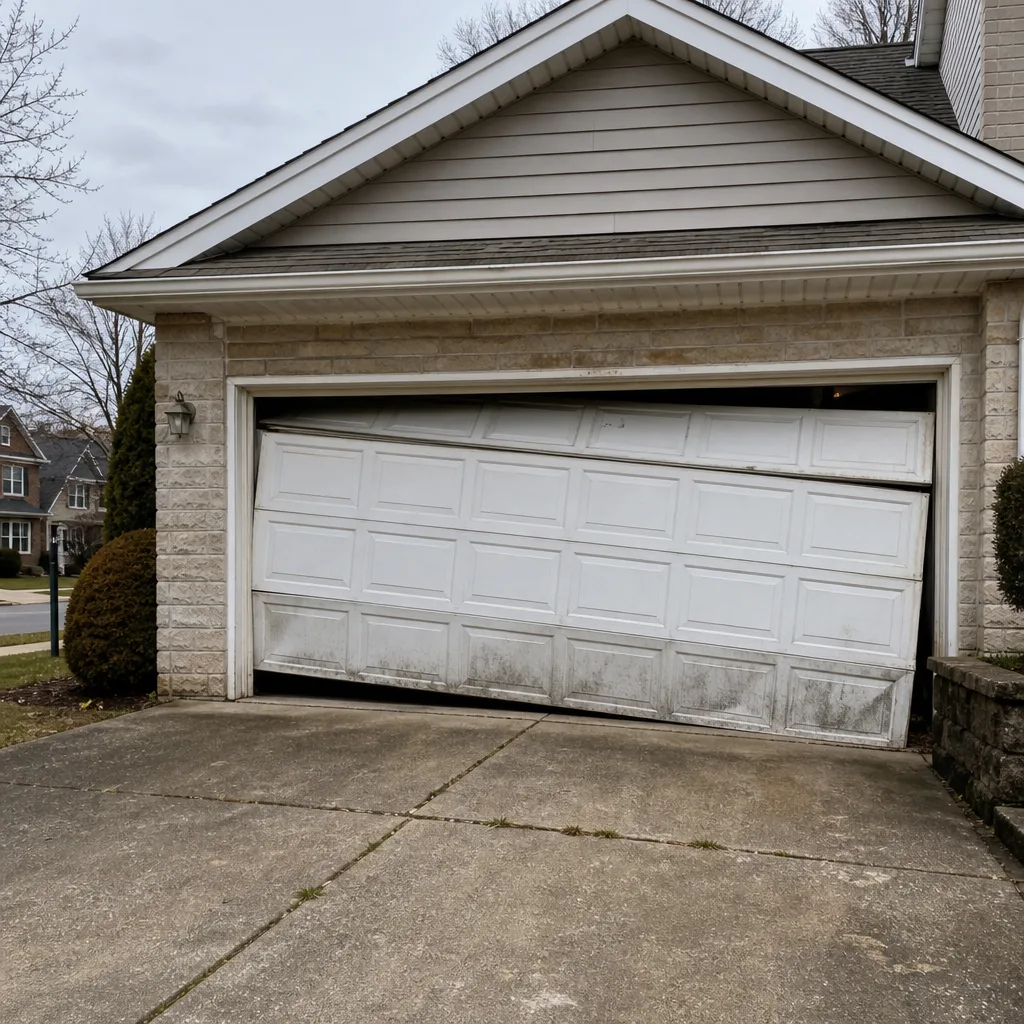 Before
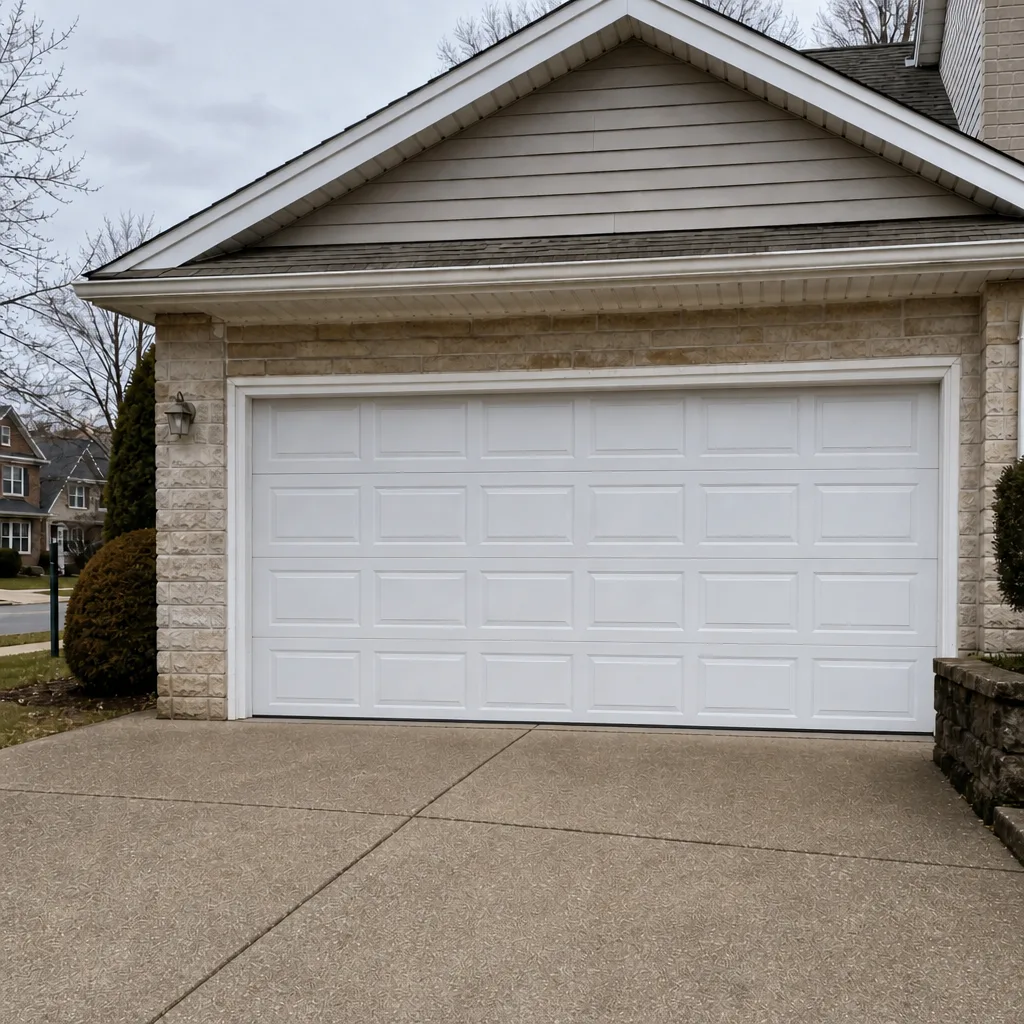 After
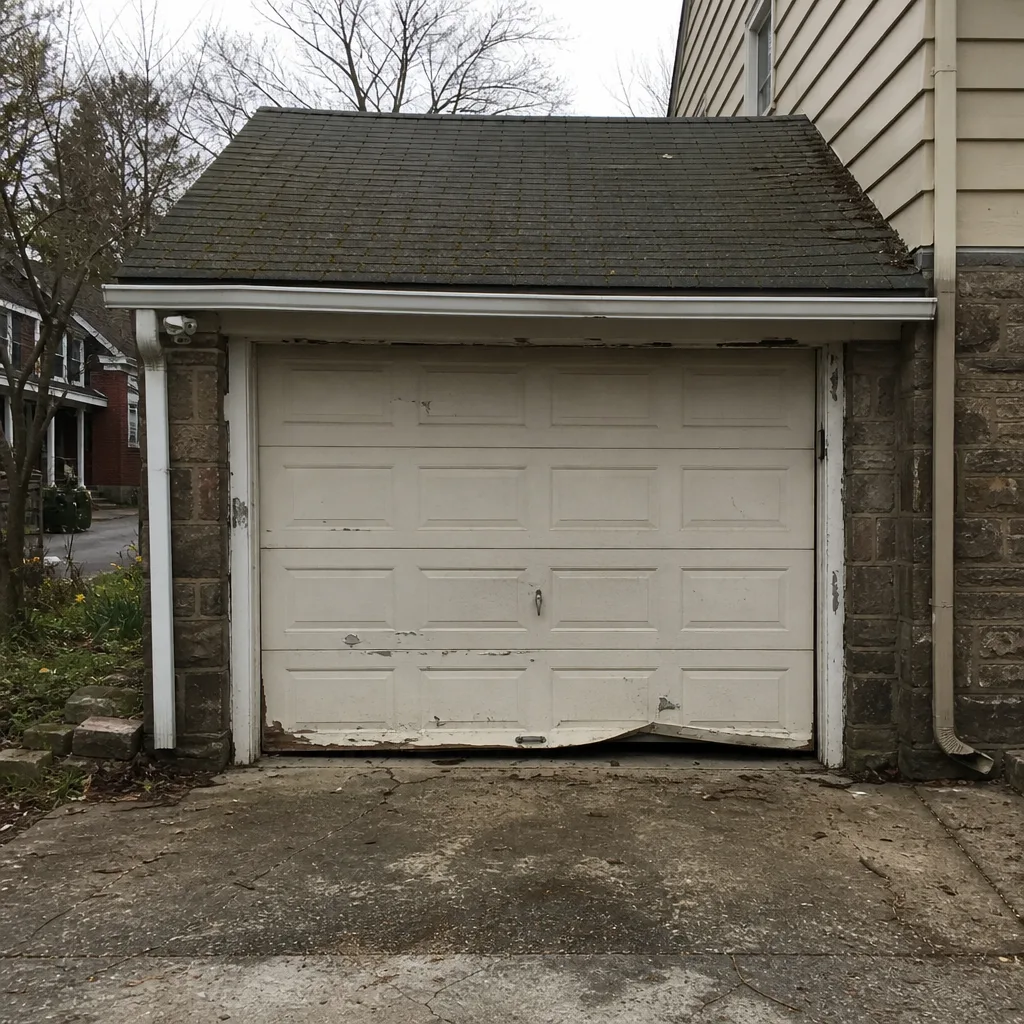 Before
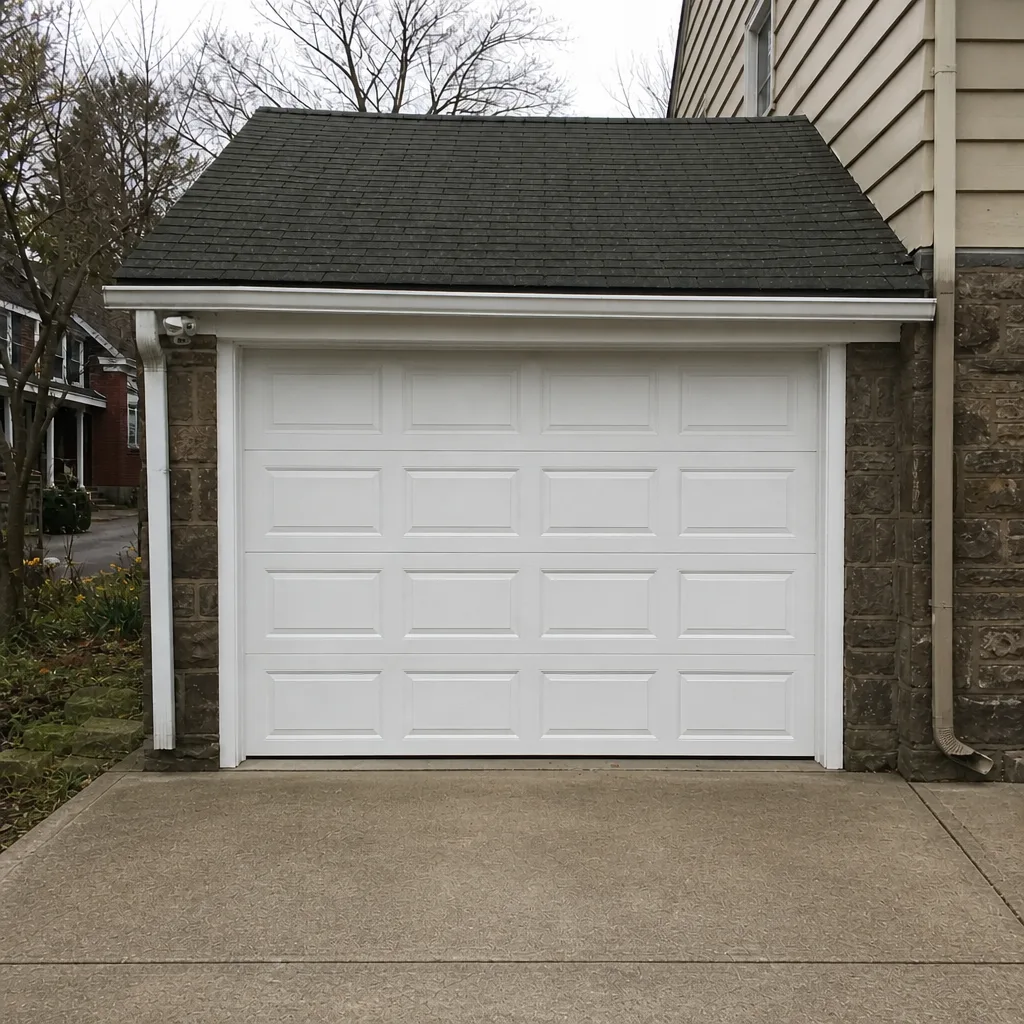 After
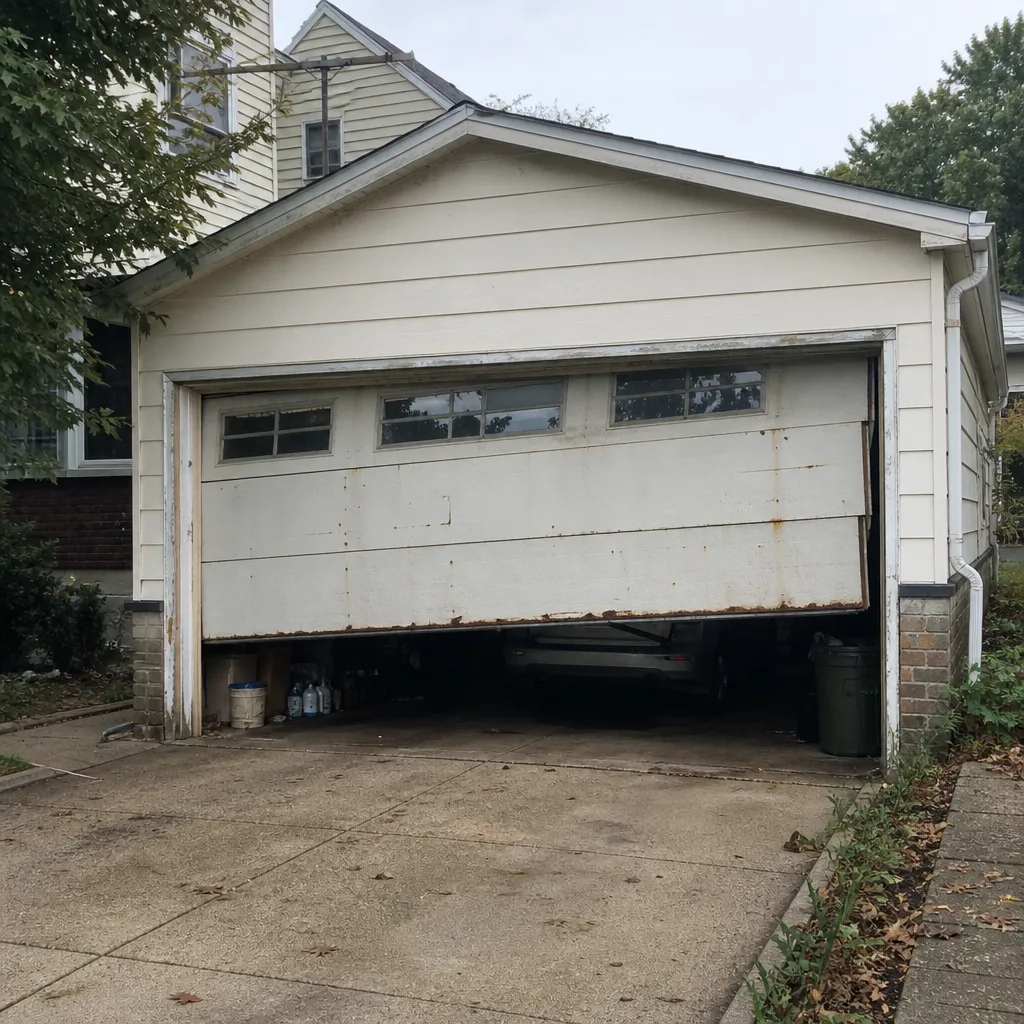 Before
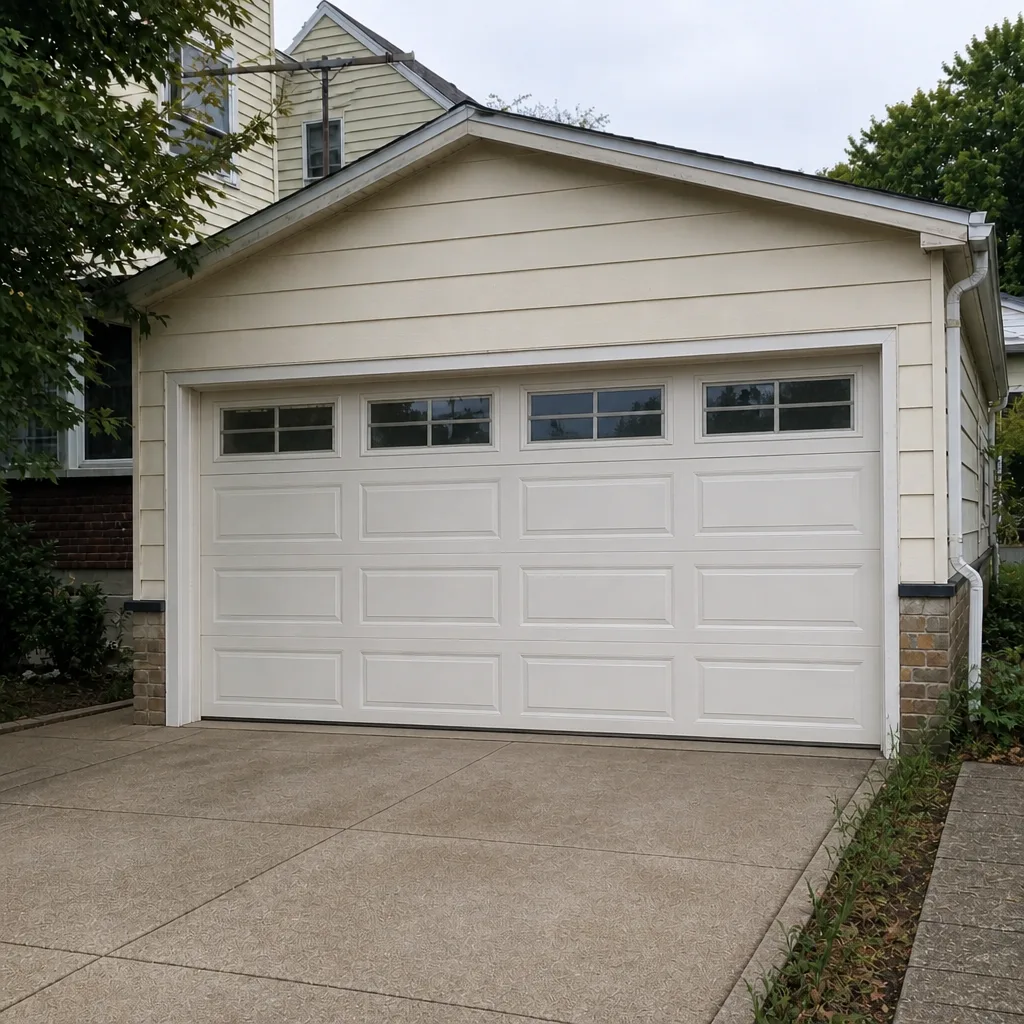 After
When to Call a Professional
Call for anything involving a broken spring, a broken cable, a door off the tracks, a door that won’t balance, or a door sitting open and stuck. Call immediately if someone needs the car today, if the door is hanging over a walkway, or if the door landed hard and the tracks look bent. Most opener problems (a reversal at the floor, a remote that stopped working, a wall button that no longer responds) can wait for a scheduled visit, since the failure leaves the door secure. Fresh installs, replacements, and new-door projects should be measured and scheduled rather than squeezed into an emergency call. Garage Door Repair Squirrel Hill offers free estimates in Squirrel Hill. Call (833) 482-6529. We answer 24/7. Fast dispatch from 7am to 7pm, Sunday through Friday.
Frequently Asked Questions
Stop operating the opener and leave the door where it is. A broken spring leaves the door with no counterbalance, and running the opener against the full weight of the door will strip the drive gear; that turns a spring job into a spring-and-opener job. Move everyone clear of the door, take a photo from a safe distance, and call (833) 482-6529 for a same-day visit.
Look at the top corners and the side tracks. A broken cable hangs slack or winds loose around the drum and leaves the door sitting crooked in the tracks. A broken torsion spring shows a gap in the coil across the top of the door. A broken extension spring is stretched out or hanging on the side. Both are dangerous to touch; don’t try to rewind a cable or unhook anything. Call for a visit and tell dispatch what you see.
Yes, if the springs are intact and the door is balanced. Pull the red release cord down and out of the trolley, then lift the door with one hand under the bottom section. A balanced door will rise with modest effort and stay where you put it. If the springs are broken or the door feels heavy, don’t use the release; leave it connected to the opener and call us.
Long enough for a handful of cycles, in most cases. Battery backup units like the LiftMaster 8550W series run the door on battery power for several open-and-close cycles before the battery drains. That’s usually enough to get the car out and back in. Most chain-drive openers don’t have backup, in which case the manual release is the answer.
Push the door gently from inside, using steady hand pressure on the bottom section, until the seal releases. Don’t run the opener against a frozen seal; that strips the drive gear and tears the rubber. If the seal won’t let go, run a hair dryer along the floor edge from outside to loosen the bond. Never use hot water, which refreezes. Once free, wipe the seal and apply a dry silicone spray.
Call, but don’t expect a technician before 7am. We answer 24/7, and a 6am call is booked into the first opening, which follows the dispatch window from 7am to 7pm, Sunday through Friday. If the door is closed and the car isn’t urgently needed, a morning call and a scheduled same-day visit is exactly the right answer.
The Bottom Line
Garage door emergencies at a Squirrel Hill home follow the same handful of patterns every year: a spring that gives out in January, a power outage from an ice storm, a frozen seal on a cold morning, a cable that lets go under tension. Every one of them is manageable if the response is planned. Leave the opener alone after a spring failure. Don’t pull the manual release on an unbalanced door. Know which opener has a battery backup and which one doesn’t. And know the difference between stuck open (call now) and stuck closed (can usually wait until morning). Most of these failures are repairable the same day, and the price is set by a written estimate before any work begins.
Call (833) 482-6529 for a free estimate. We answer 24/7. Fast dispatch from 7am to 7pm, Sunday through Friday. Whether it’s a snapped spring, a stubborn opener, a bottom seal that needs replacing, or a full new door, we handle garage door repair, opener repair, spring repair, installation, and parts under one roof.
Written by the team at Garage Door Repair Squirrel Hill.