
Last updated November 23, 2026
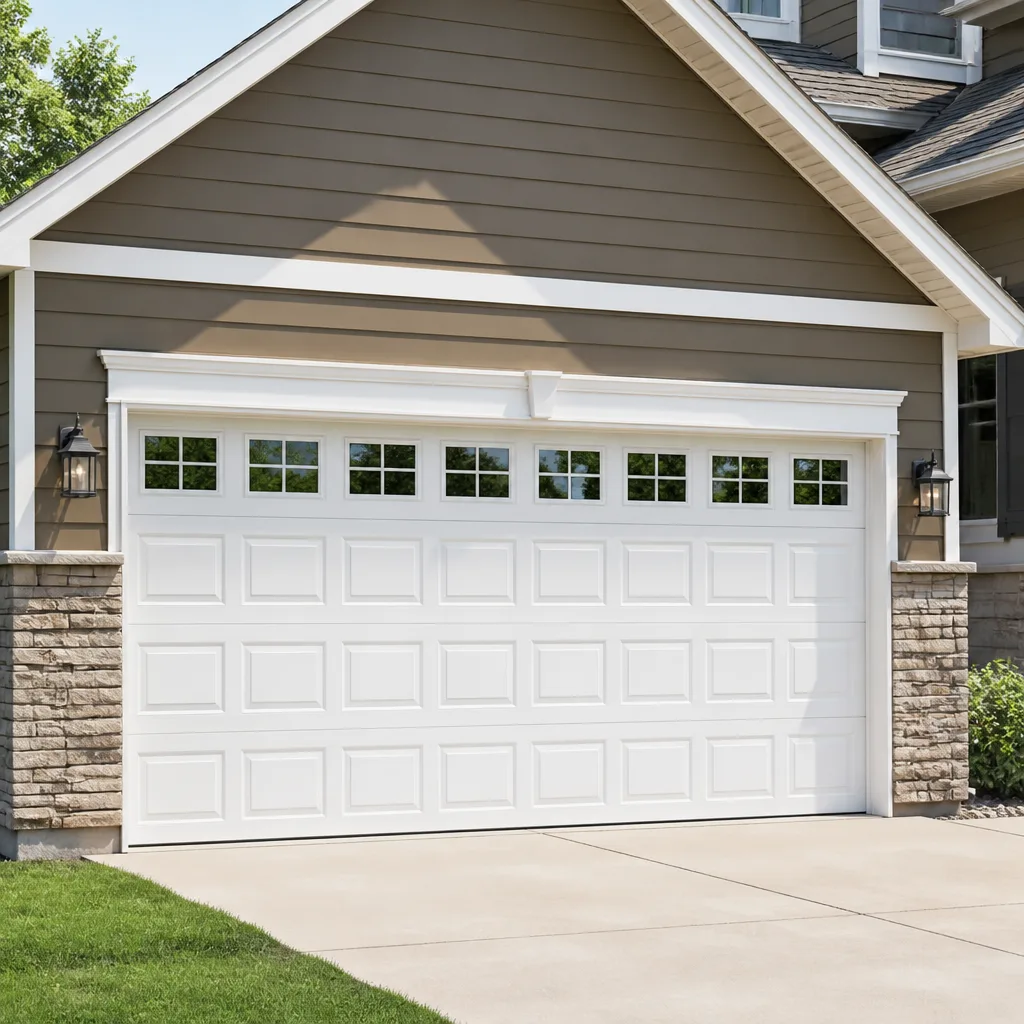 Raised-panel steel
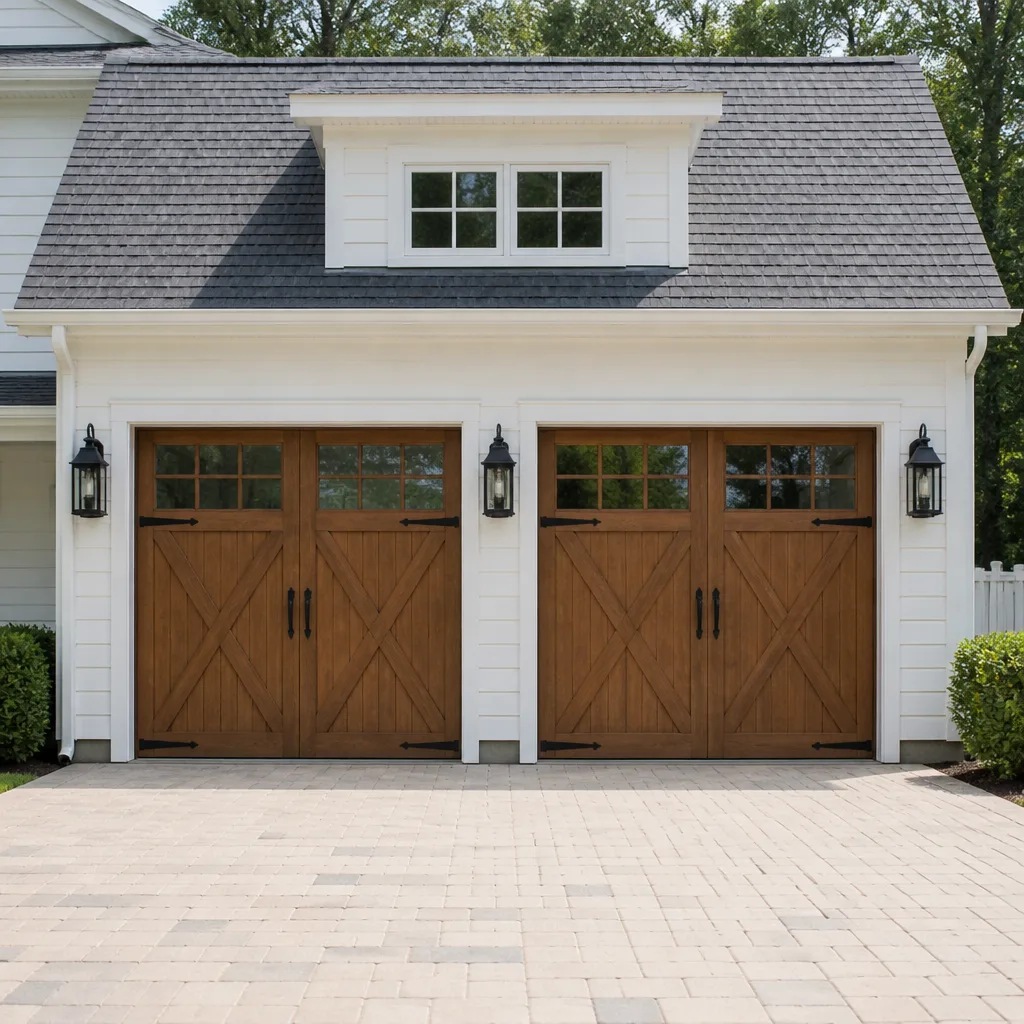 Carriage house
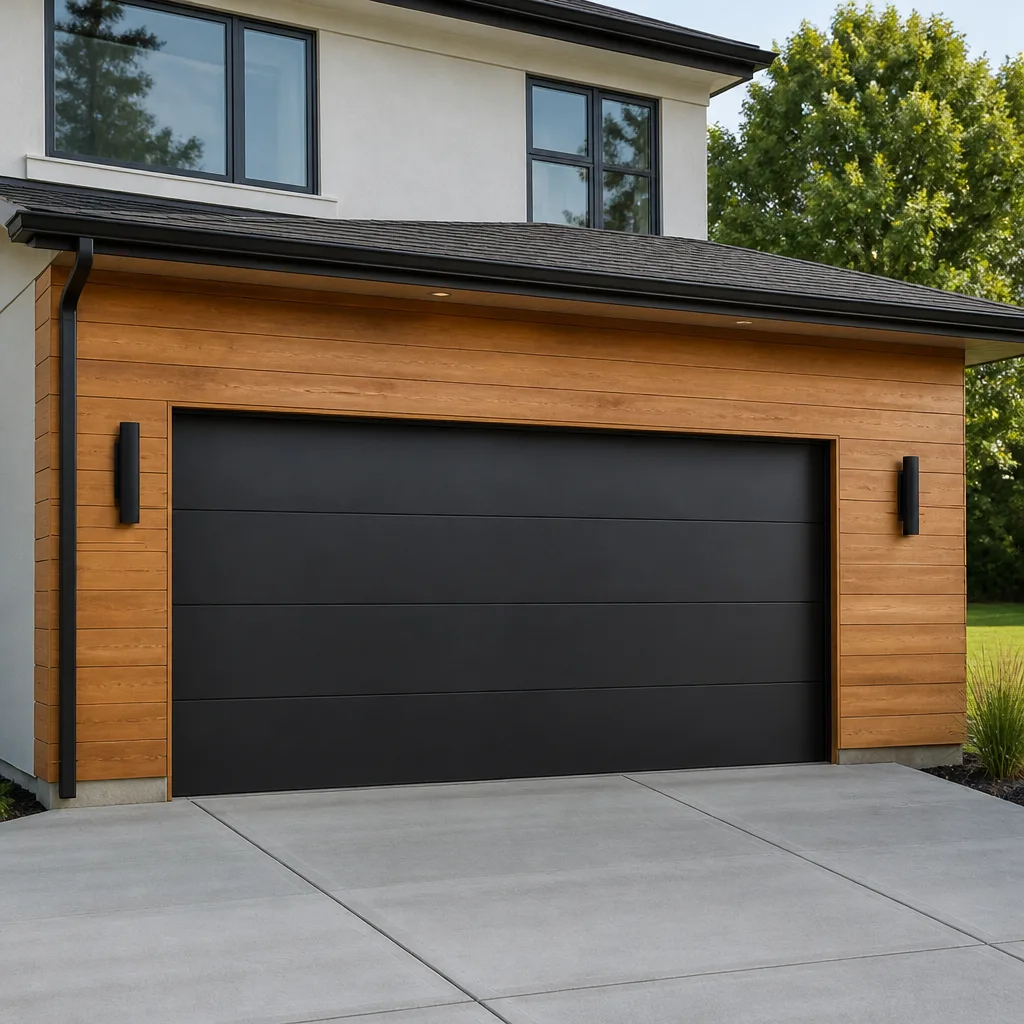 Modern flush
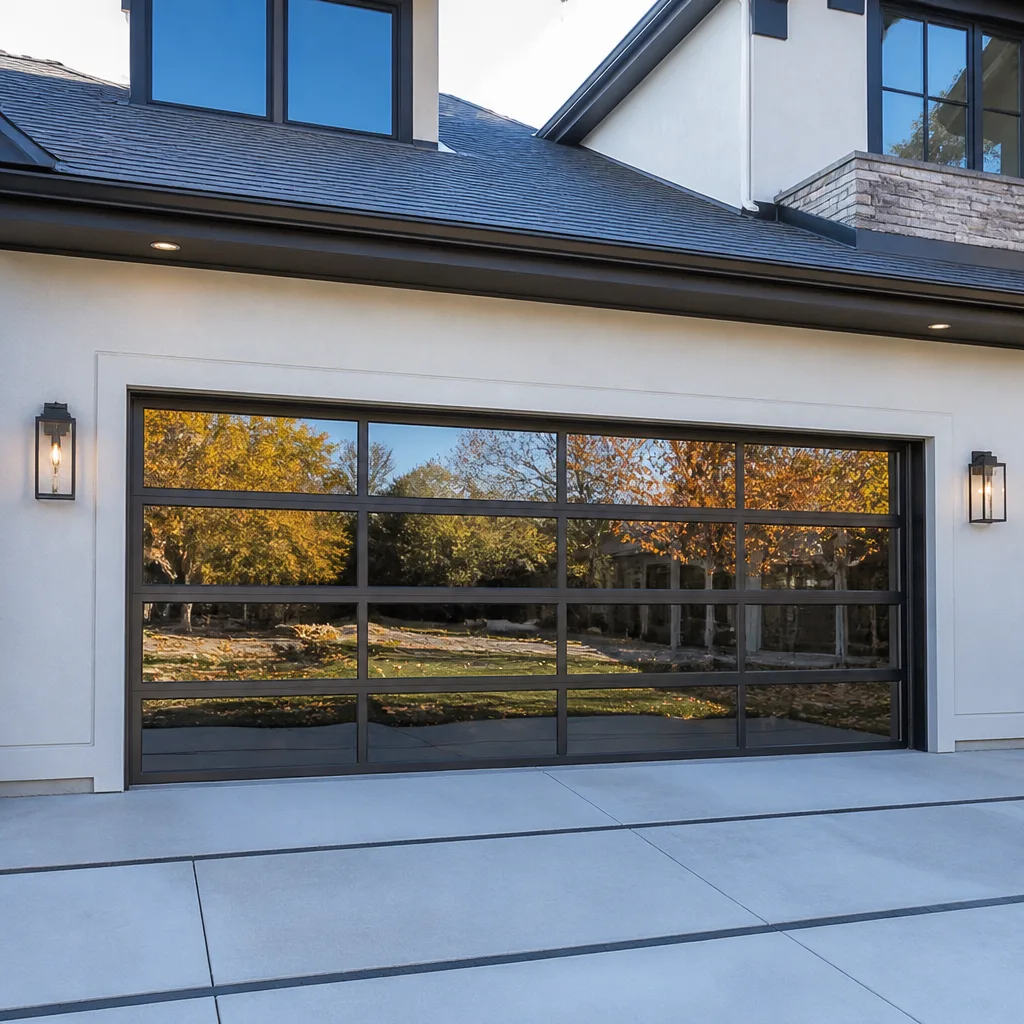 Full-view glass
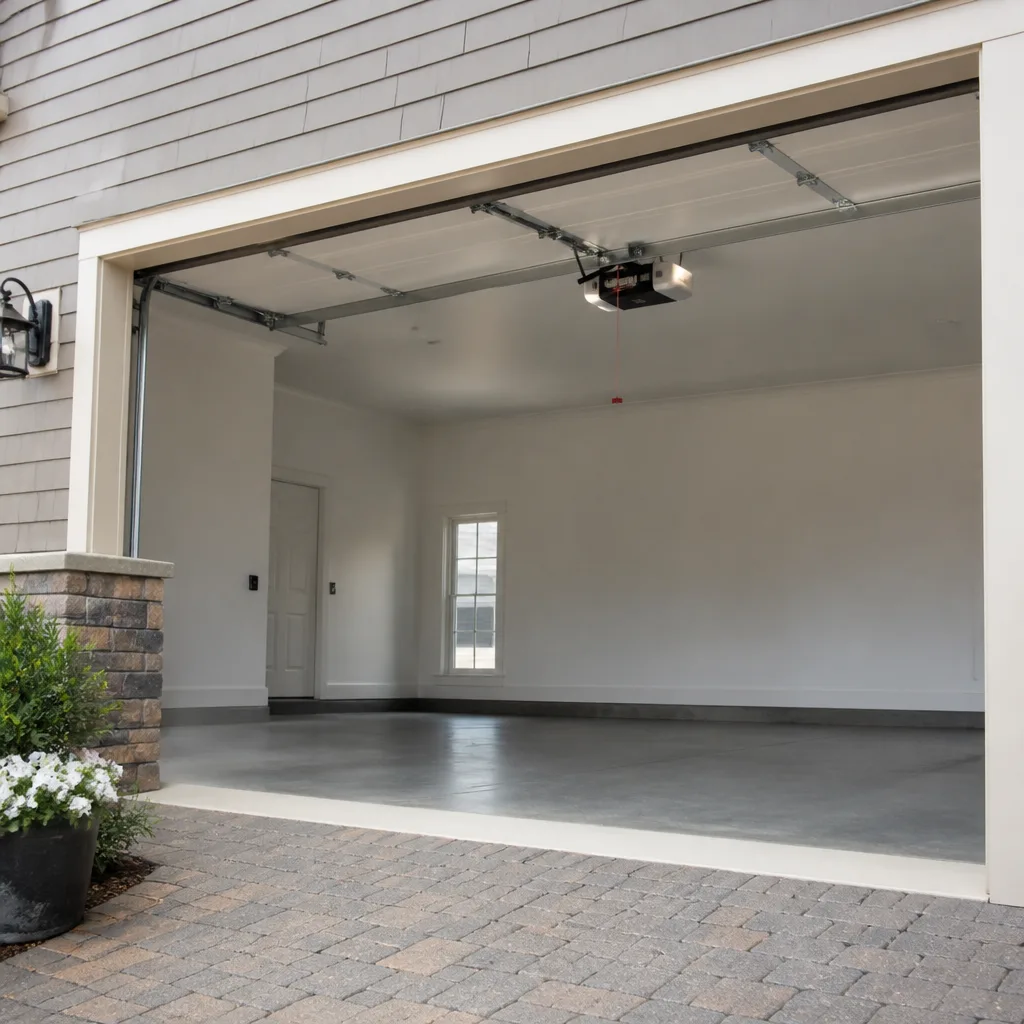 LiftMaster openers
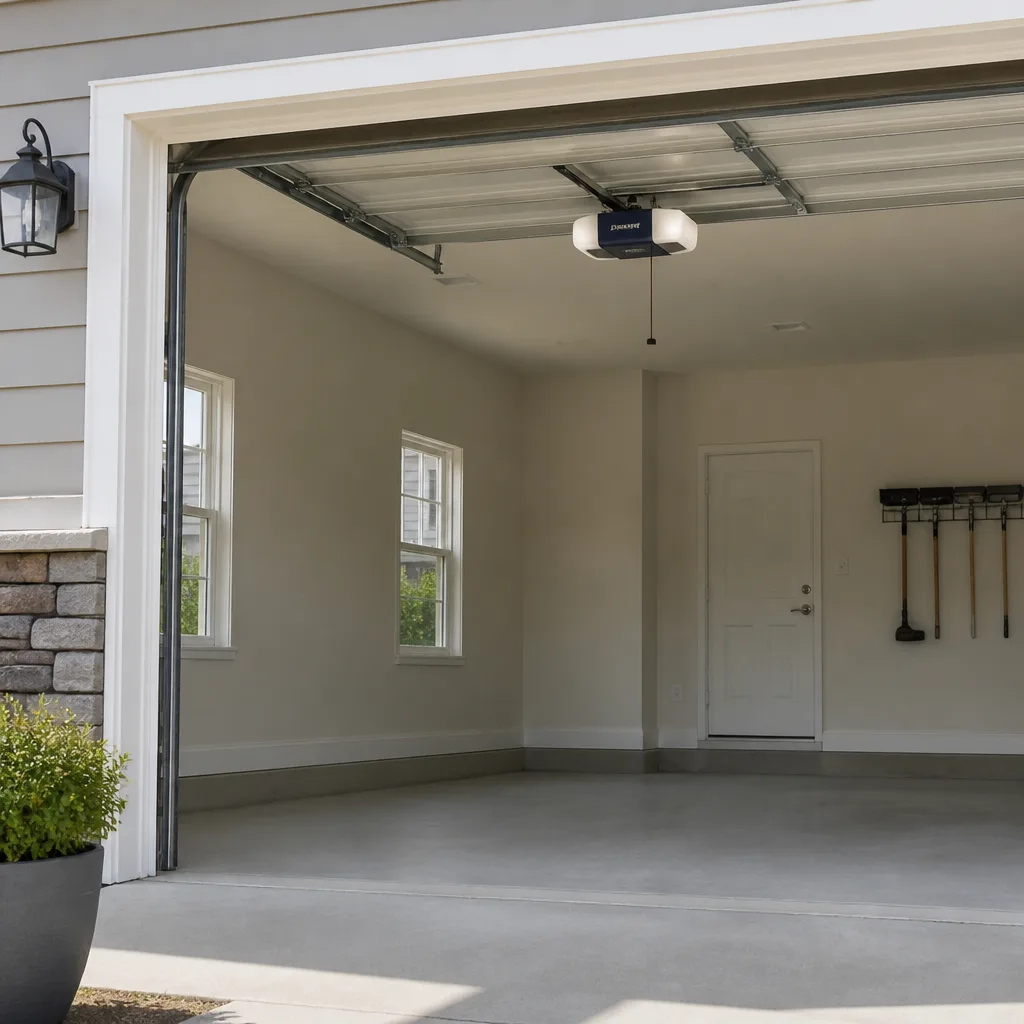 Chamberlain openers
Full 25-point door and opener safety check with every visit - springs, cables, rollers, tracks, and your LiftMaster or Chamberlain opener included
You get a price before we start. It does not change when the pro arrives.
Get your free estimateDIY vs Professional Garage Door: The Squirrel Hill Homeowner’s Decision Guide
Most DIY-or-pro conversations about garage doors start with the wrong question: how much can I save? The better question is which parts of the job can hurt you. A torsion spring holds real stored energy when it’s wound, and the danger isn’t cleverness or complexity. A single slip during winding or removal releases that energy instantly, and no amount of video prep changes the physics. This guide breaks a garage door into tasks by actual risk, so you can see what’s sensible to handle in Squirrel Hill and what deserves a trained technician.
Quick Answer
In Squirrel Hill, weatherstripping, lubrication, sensor alignment, remote programming, and dent inspection are reasonable DIY tasks. Springs, cables under tension, torsion hardware, track replacement, and anything involving the opener’s internal gearing should be handled by a garage door specialist because the injury risk and the cost of a failed repair both climb fast. The line is drawn by the component, not by how mechanical you are.
Styles & brands we work with
- Raised-panel steel
- Carriage house
- Modern flush
- Full-view glass
- LiftMaster openers
- Chamberlain openers
Table of Contents
- The task-by-task risk and skill matrix
- Why springs and cables sit in a different category
- The real cost of a DIY repair gone wrong
- Consumer parts vs the springs a technician supplies
- Where DIY genuinely makes sense in Squirrel Hill
- How to describe your repair attempt to a technician
- What Squirrel Hill weather does to your door
- What professional garage door work typically costs
The Task-by-Task Risk and Skill Matrix
Every garage door breaks down into roughly a dozen serviceable parts, and they’re not equal. Some reward a careful homeowner with a cheap, quick fix. Others carry genuine injury potential no matter how handy you are. Here’s how we sort them when we’re talking a Squirrel Hill homeowner through a repair over the phone.
Safe to handle yourself:
- Lubricating hinges, rollers, and the torsion bar with a proper garage door lubricant.
- Replacing the bottom weather seal, provided you match the right part number to your door.
- Aligning and cleaning the safety sensors on either side of the opening.
- Reprogramming a remote or re-pairing a keypad from your opener’s manual.
- Wiping down panels and checking for dents after a light impact.
Requires a specialist:
- Torsion and extension spring replacement, full stop.
- Cables, cable drums, and anything under tension.
- Track straightening or replacement, which involves the door’s full weight.
- Opener gear and logic board repair inside the housing.
- Panel replacement on a door where the panel carries structural load.
The split isn’t about intelligence. A homeowner can absolutely understand a torsion spring. But understanding how it works and safely releasing stored torque are two different skills, and the second one comes from repetition and the right winding bars.
Why Springs and Cables Sit in a Different Category
Springs and cables are the components we handle most carefully, and the reason is straightforward. A torsion spring counterbalances the weight of your door, and winding or unwinding it stores and releases energy you can’t see. If a spring lets go during a repair, it does so with force that can bend a door and seriously injure anyone standing nearby. We tell every Squirrel Hill homeowner the same thing: this is the one category where DIY is genuinely dangerous, not just difficult.
Cables are the second piece of that system. They hold tension while connected to the springs and drums, and a cable that jumps a drum can snap back with the same energy. What usually follows isn’t a simple rehang. It’s a bent track, a door that’s cocked in its opening, and sometimes a damaged panel.
That’s why we offer spring repair as a dedicated service rather than folding it into general repair. It requires the winding bars, the right matched spring, and the experience to know how many turns a given door needs. Our technicians have up to 10 years of experience, and on spring work that experience is the whole point. Garage doors are all we do, so the tooling and the habit of safety on these jobs are in place every time.
The Real Cost of a DIY Repair Gone Wrong
A failed DIY garage door repair rarely ends with the original problem. It usually creates a second one, and the second one tends to cost more than the first. The three patterns we see most often in Squirrel Hill are worth knowing before you pick up a wrench.
- Incorrect spring tension damages the opener. When a homeowner replaces a spring and gets the tension wrong, the opener has to push or pull more than it was designed to. The gear and rail take the load, and what started as a spring job becomes a spring plus opener repair. That’s why opener repair and spring repair usually have to be looked at together.
- A cable jump bends the track. If a cable comes off its drum during a DIY attempt, the door can slam down out of square. You’re then looking at a cable drum replacement plus track work, not just a reattached cable.
- Emergency calls after a spring releases. The worst version is the one where the spring lets go mid-repair. Once the dust settles, someone needs to come out and make the door safe again, which is a bigger job than the original replacement would have been.
The written estimate sets the final price on any job we do, and the price is agreed before work starts. That’s worth keeping in mind as you weigh a DIY attempt. The math on a small repair often favors doing it yourself. The math on a component that can hurt you rarely does.
Consumer Parts vs the Springs a Technician Supplies
This is where the cost calculus gets skewed, and it’s something a lot of Squirrel Hill homeowners never hear. The springs sold at a hardware store are often rated for fewer cycles than the springs a garage door technician supplies. A cycle is one open and one close. Fewer cycles means a shorter life before the spring needs replacing again.
Consumer springs come in limited sizes, too. A door needs a spring matched to its exact weight and height. A generic spring that’s close but not right will work for a while and then strain the opener. When we take on a spring job, we source and supply the correct spring for the door rather than leaving you to hunt for a match.
Parts availability is the other half of it. If you try a repair on your own and discover the cable drum or the bottom bracket is worn, you’re into a round of calls and a wait for shipping. Our garage door repair Squirrel Hill work includes direct parts sourcing, which is a big part of why repairs don’t drag on for days. We work on the systems you actually own, and that includes brand-specific diagnostics for LiftMaster, Chamberlain, and Craftsman openers as well as independent lines like Genie, Clopay, Amarr, Wayne Dalton, and Raynor.
Where DIY Genuinely Makes Sense in Squirrel Hill
None of this is a case for calling a technician for every squeak. Plenty of garage door work is well within reach of a careful homeowner, and we’d rather you spend your money on a repair that matters. Here are the scenarios where doing it yourself is a sensible call.
- Panel dent assessment. If your door caught a light impact, walk the panels and look for creases. A small cosmetic dent can wait. A creased panel that affects the door’s alignment should be looked at.
- Remote reprogramming. Lost a remote? Get the model number off the opener and follow the pairing steps in the manual. On a Chamberlain or Genie opener this is a five-minute job.
- Bottom seal replacement. A worn weather seal lets drafts and moisture in and can be swapped with the right part number. Match the profile and width and it’s straightforward.
- Sensor alignment. If the door won’t close and the light on the sensor is blinking, wipe the lenses and check that the brackets still line up. That fixes more “broken opener” calls than anything else.
If you get partway through any of these and find something that looks worn, worn metal under load is a signal to stop. Snapping a photo and calling is cheaper than pushing through. If a spring or cable is involved, close the door, keep people clear, and book a technician.
How to Describe Your Repair Attempt to a Technician
If you’ve already tried a repair, tell us. That isn’t a confession, it’s useful information. A technician who knows what’s been touched can assess the door safely instead of guessing, and it speeds up the whole visit. Here’s how to give us a clear picture.
- Say what the door was doing before you started. Was it stuck open, sluggish, noisy, unbalanced, or would it not stay up? The original symptom tells us where to look.
- List what you changed and which parts you used. Part number, brand, and where you bought it. A spring of unknown rating is a big deal on a torsion system.
- Describe what happened during the attempt. Any loud noise, any movement of the door out of square, any part that came loose.
- Note the door’s current position. Is it fully closed and resting on the floor, or is it open and being held by an opener that’s straining? Don’t force anything.
- Send photos of the springs, cables, and track. A clear photo of the damaged area saves a lot of back-and-forth.
Safety comes before speed here. If a spring or cable looks compromised, stop using the door. Our garage door opener repair and spring work both start with a look at the whole system, because a bent opener part often traces back to a spring that’s out of balance.
What Squirrel Hill Weather Does to Your Door
Squirrel Hill sits in a part of Pittsburgh where winters bring real cold and the freeze-thaw cycle works on outdoor hardware. That matters for a garage door because the bottom seal and the metal components deal with moisture, road grit tracked into the driveway, and temperature swings that contract and expand the door’s panels and tracks.
A few local realities worth watching:
- The bottom seal takes the worst of it. Cold weather stiffens a worn seal, and a stiff seal cracks faster. This is the cheapest DIY task on the list and worth doing before winter rather than after.
- Rollers and hinges dry out. Lubricant on the moving parts keeps the door quiet and reduces strain on the opener. A can of proper garage door lubricant twice a year goes a long way.
- Frozen ground and uneven driveways push doors out of alignment. If your driveway heaves with the seasons, a door that binds seasonally often has a track problem, not an opener problem.
- Older housing stock. Squirrel Hill has plenty of homes with original and older door hardware. On a door that’s been in place for a long time, the springs may be closer to the end of their cycle life than they look.
Squirrel Hill’s tree cover also means debris on the driveway, and grit that works its way into the track. Sweeping the tracks clear is a task anyone can do, and it prevents a lot of noise and binding.
What Professional Garage Door Work Typically Costs
Professional garage door work in Squirrel Hill is priced per job, and the written estimate you get before work starts is the price you’ll pay. Here are typical ranges for the most common jobs so you have a sense of scale. These are estimates, not quotes. A spring range is for one spring; when a matched pair is replaced together, the cost is roughly double.
| Job | Typical estimated cost |
|---|---|
| Spring replacement (one spring) | Roughly $180 to $340 |
| Matched spring pair | Roughly double the single-spring range |
| Opener repair | Varies by part, quoted per job |
| Cable or drum replacement | Varies by door, quoted per job |
| New door installation | Quoted after a free measure |
Two things keep the final number honest. First, the estimate is free. Second, the price is quoted and agreed before any work begins, so you’ll never find an invoice bigger than the quote. If you’re comparing a DIY spring against a professional job, compare it against the whole cost of a failed attempt, not just the price of the spring.
For new door work, the timeline is different. A replacement or a new door is measured, ordered, and scheduled. There’s no same-day promise on installation, but there is a free measure and a written price. Our garage door installation work covers door selection through fit, and we’ll talk through Clopay, Amarr, Wayne Dalton, and other lines we work with.
Common Mistakes to Avoid
- Assuming mechanical skill makes spring work safe. It doesn’t. The energy in a wound torsion spring doesn’t care how handy you are, and the release is instantaneous.
- Buying a spring by appearance instead of by rating. A visually similar spring with a different cycle rating won’t last, and the wrong tension strains the opener. Match the door’s weight and height.
- Forcing a door that’s out of square. If the door is binding on one side, stop. Pushing it up and down bends the track and can drop a cable off its drum.
- Using the wrong lubricant. WD-40 and heavy grease attract grit. Use a garage door lubricant on the rollers and hinges.
- Replacing an opener when the spring is the problem. A door that feels heavy or strains the opener often has a failing spring, not a failing motor.
- Ignoring a worn bottom seal through winter. In Squirrel Hill’s cold snaps, a cracked seal lets in moisture and drafts, and it’s a cheap fix if you do it before the season.
- Trying to fix a cable that’s already jumped. A cable under tension is dangerous the moment it comes free. Close the door, keep it closed, and call.
See the difference
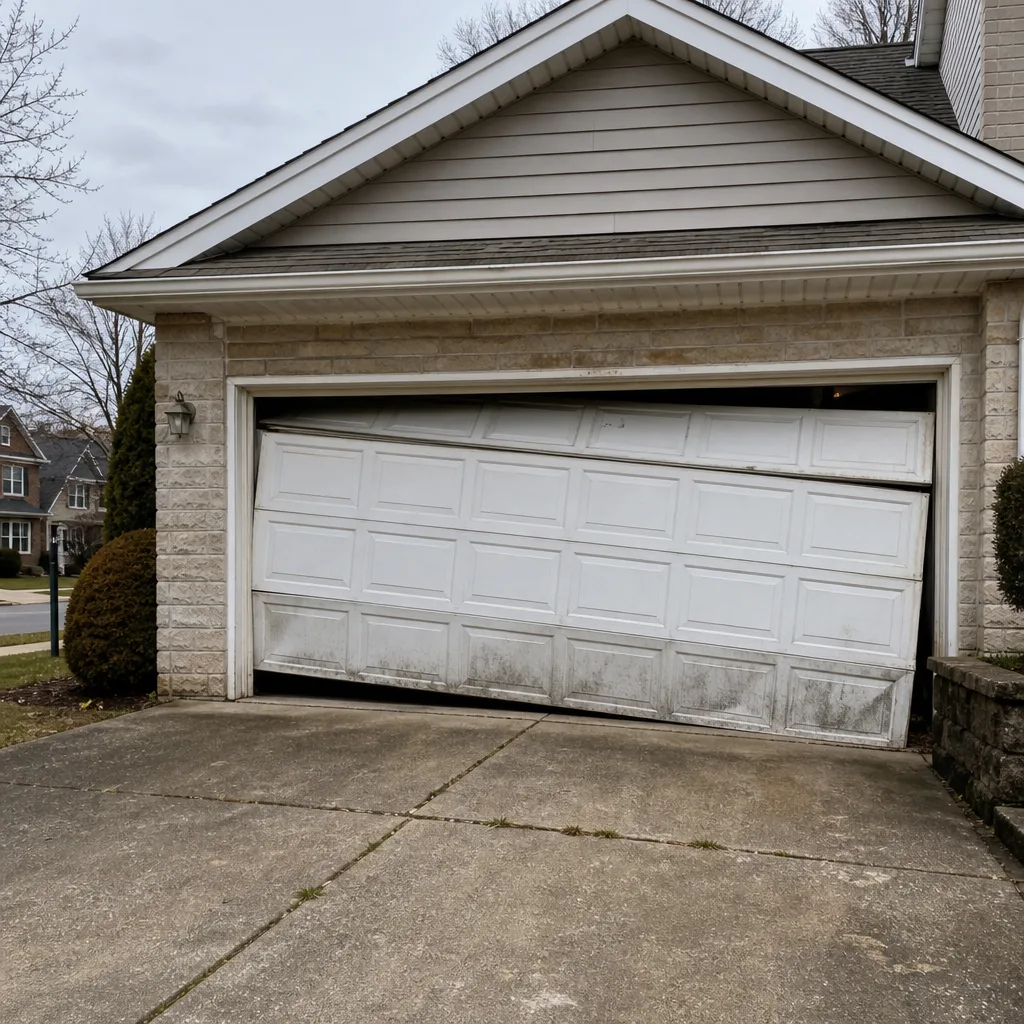 Before
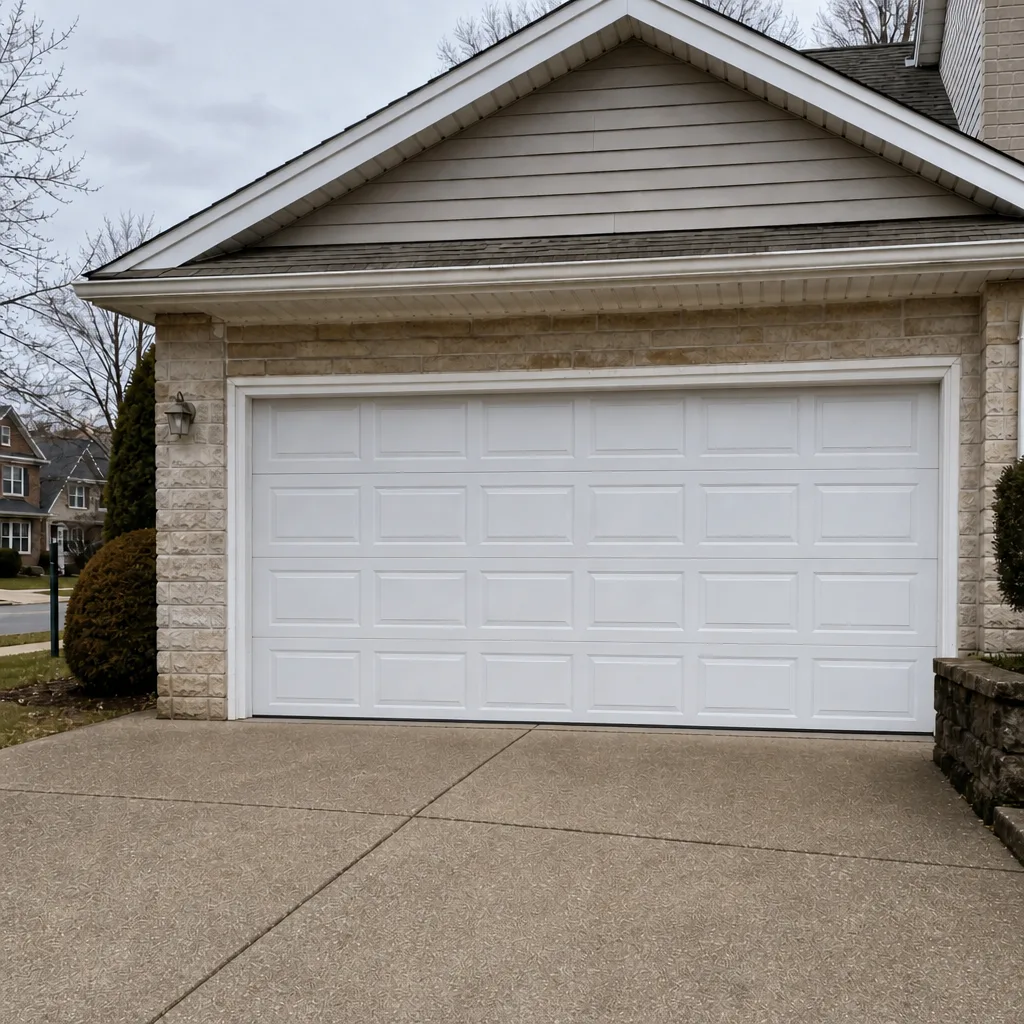 After
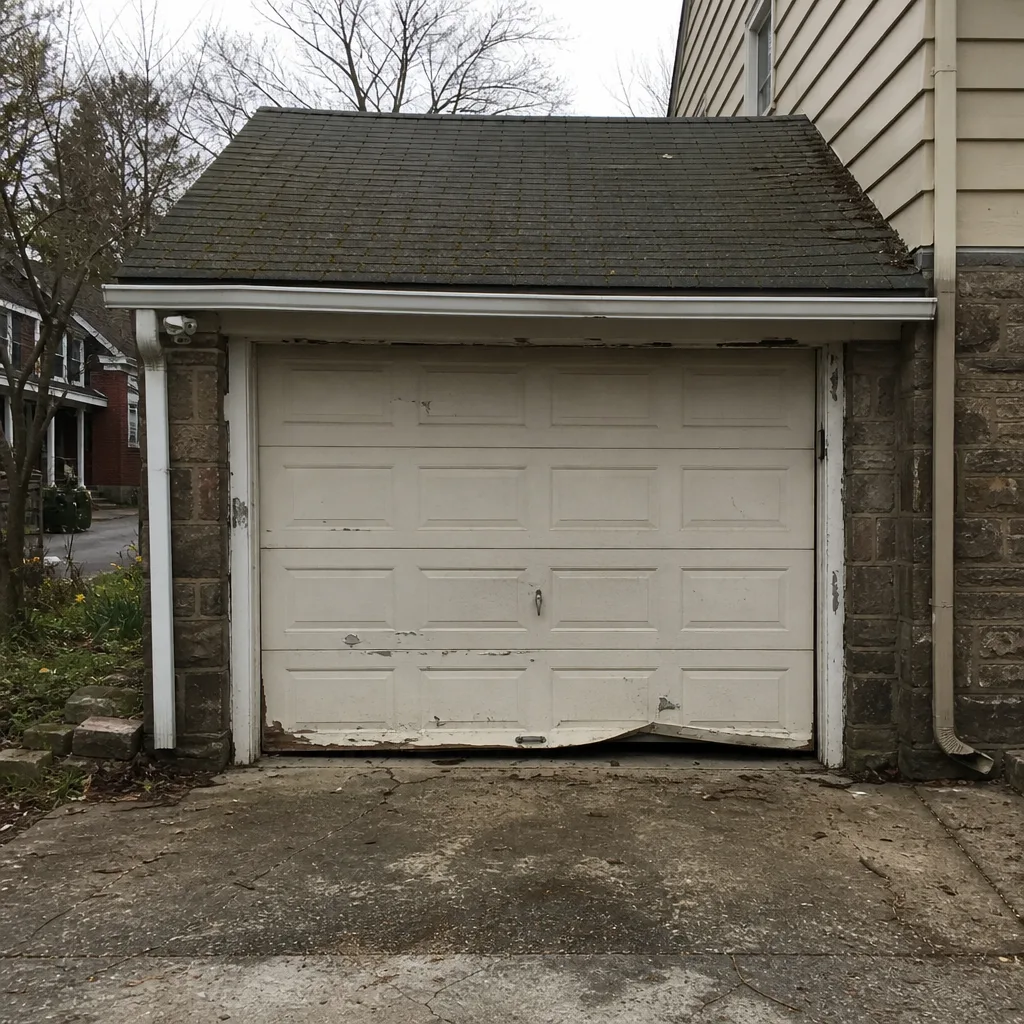 Before
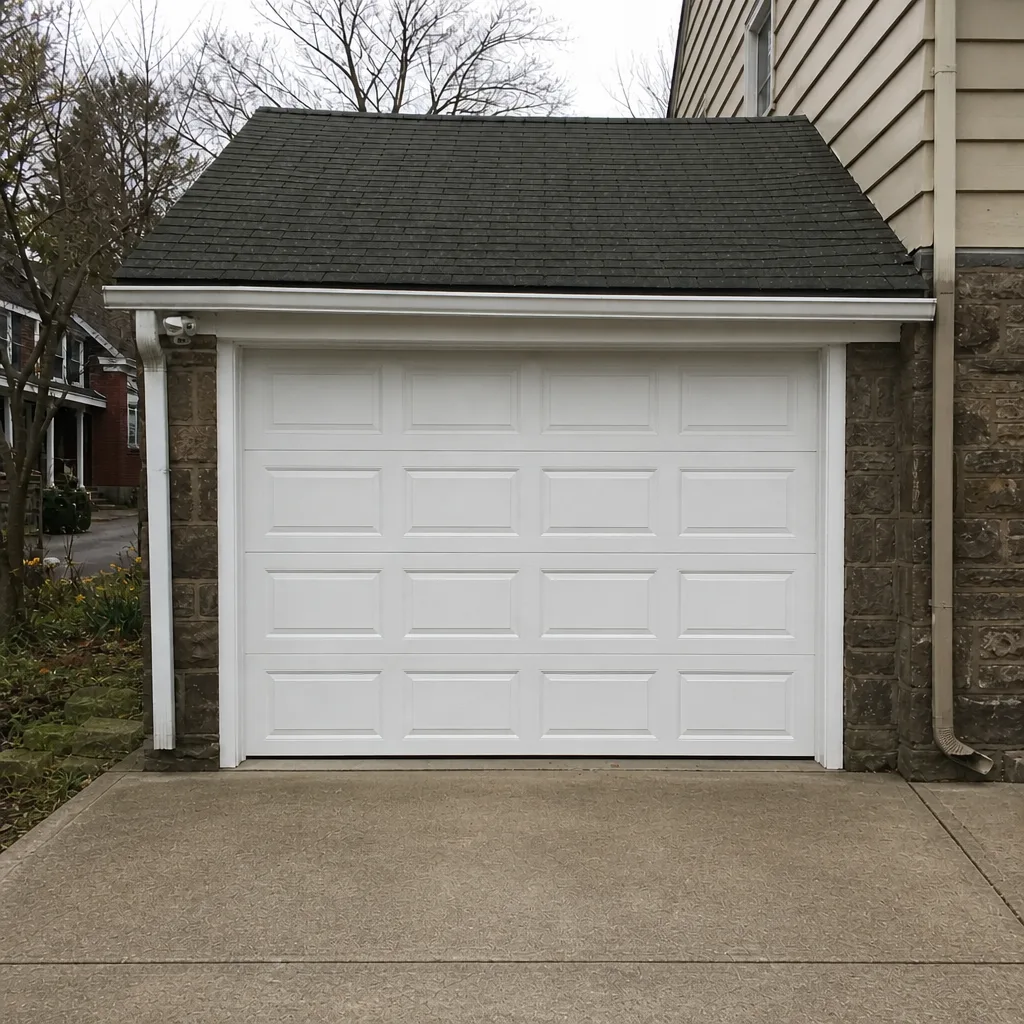 After
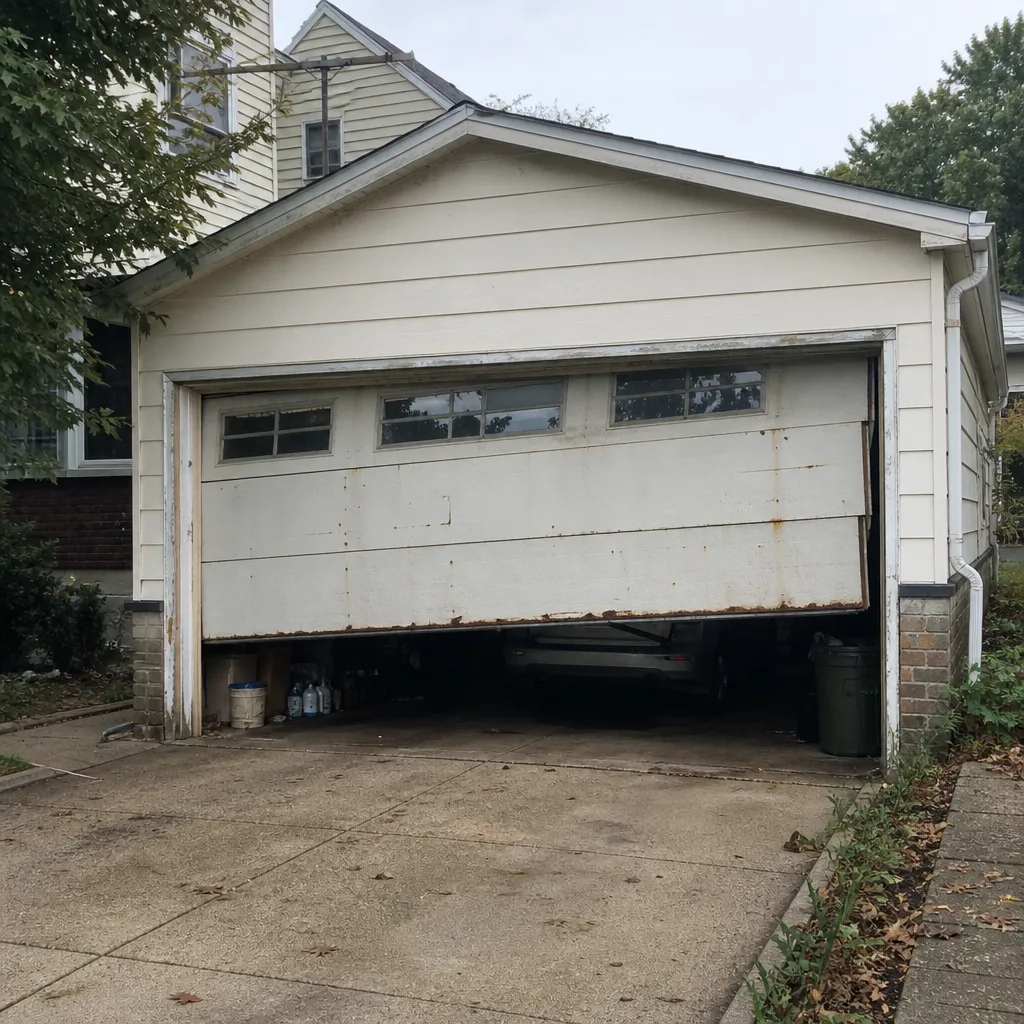 Before
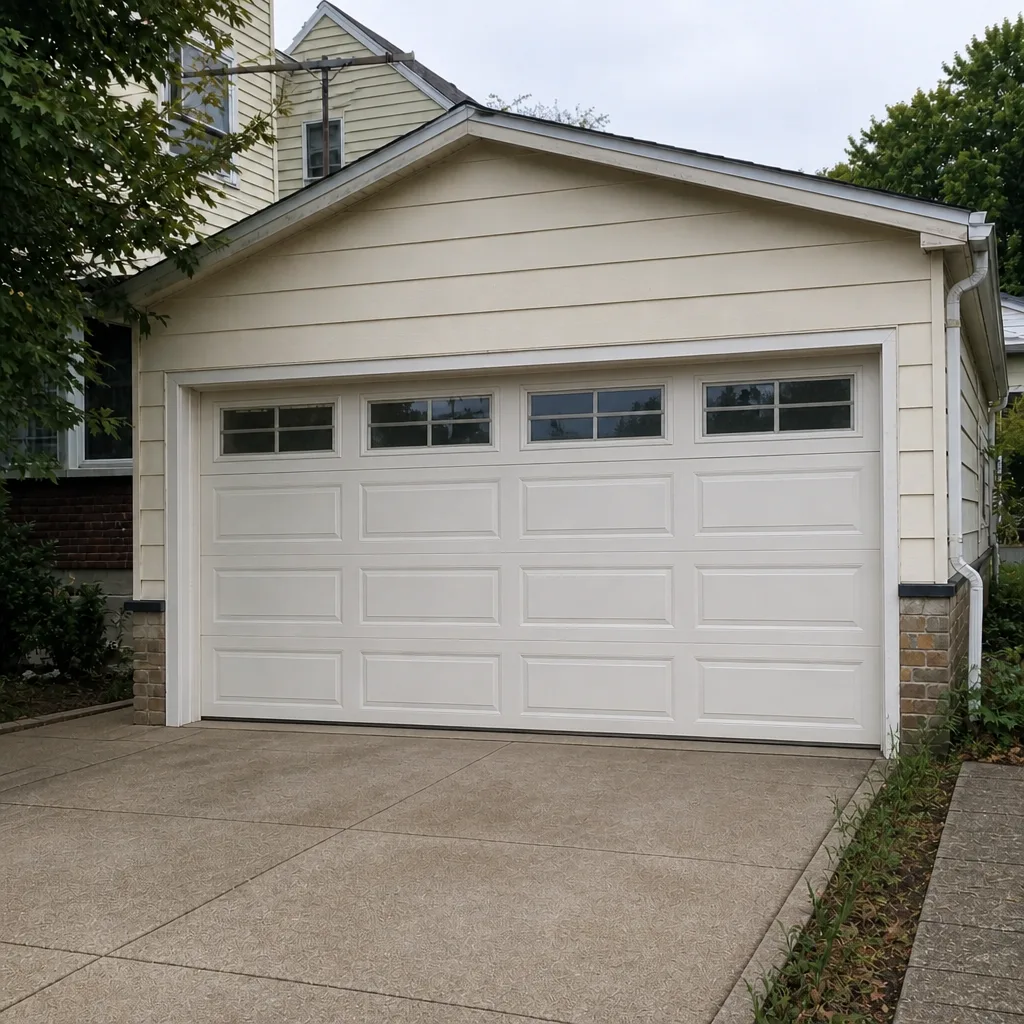 After
When to Call a Professional
Call a professional when the problem involves a spring, a cable, tension, track replacement, or anything inside the opener housing. Call if the door won’t stay closed, slams down, or sits crooked in the opening, and call if you’ve started a repair and found worn metal under load. If you’re in Squirrel Hill and you’re dealing with any of those, Garage Door Repair Squirrel Hill offers free estimates in Squirrel Hill, and you can reach us at (833) 482-6529. Spring repair is one of our five service categories and one we treat with the caution it deserves. We answer 24/7, with fast dispatch from 7am to 7pm, Sunday through Friday. A call outside dispatch hours is booked into the next opening.
Frequently Asked Questions
No, replacing a torsion or extension spring yourself is not safe. The wound spring stores energy that releases instantly if a winding bar slips or the spring lets go, and a mistake can bend the door and cause serious injury. Spring replacement needs the right matched spring, winding bars, and the experience to know the correct number of turns, so this is a job for a trained technician. Call (833) 482-6529 for an exact quote, and the estimate is free.
Weatherstripping, lubrication, sensor alignment, and remote reprogramming are all sensible DIY tasks. Swapping a bottom seal with the correct part number and wiping down panels to check for dents are also within reach. Anything involving springs, cables, torsion hardware, or track replacement moves into specialist territory. If you’re not sure which category a problem falls into, call and describe it; we’ll tell you honestly.
It can, yes. If the new spring is the wrong rating or tension, the opener ends up doing work the spring should be doing, and the gear and rail take the strain. That turns a spring job into a spring plus opener repair. On systems like LiftMaster, Chamberlain, and Genie, the opener’s gearing isn’t built for that load. Call (833) 482-6529 and we’ll quote the whole job up front.
Often, yes, because consumer springs are frequently rated for fewer open-and-close cycles and come in limited sizes. A spring that’s close but not matched to the door’s weight and height shortens its own life and strains the opener. A technician sources the correct spring for your door, and our parts supply means you’re not left waiting for a component to arrive. Estimates are free, so call for a quote.
Typical estimates run roughly $180 to $340 for one spring, and a matched pair is about twice that because both are usually replaced together. The written estimate sets the final price, and you approve it before any work starts. For an exact figure on your door, call (833) 482-6529; estimates are free.
Tell us everything: the original symptom, the parts you used, what happened during the attempt, and where the door sits now. Photos of the springs, cables, and track help a lot. That lets a technician assess the door safely rather than guessing. Don’t try the door again if a spring or cable looks compromised. Call (833) 482-6529 and we’ll take it from there.
The Bottom Line
The DIY-or-pro decision comes down to which component you’re touching, not how mechanical you are. Lubrication, seals, sensors, and remote programming reward a careful homeowner. Springs, cables, tension hardware, and track replacement carry injury risk and a real chance of a bigger repair, and those belong with a specialist. If you’re unsure, describe the problem and let us help you sort it. Our garage door repair team handles the whole system, from springs to openers, and the price is agreed before work starts. Call (833) 482-6529 for a free estimate. We answer 24/7, with fast dispatch from 7am to 7pm, Sunday through Friday; a call outside those hours is booked into the next opening.
Written by the team at Garage Door Repair Squirrel Hill.