
Last updated November 23, 2026
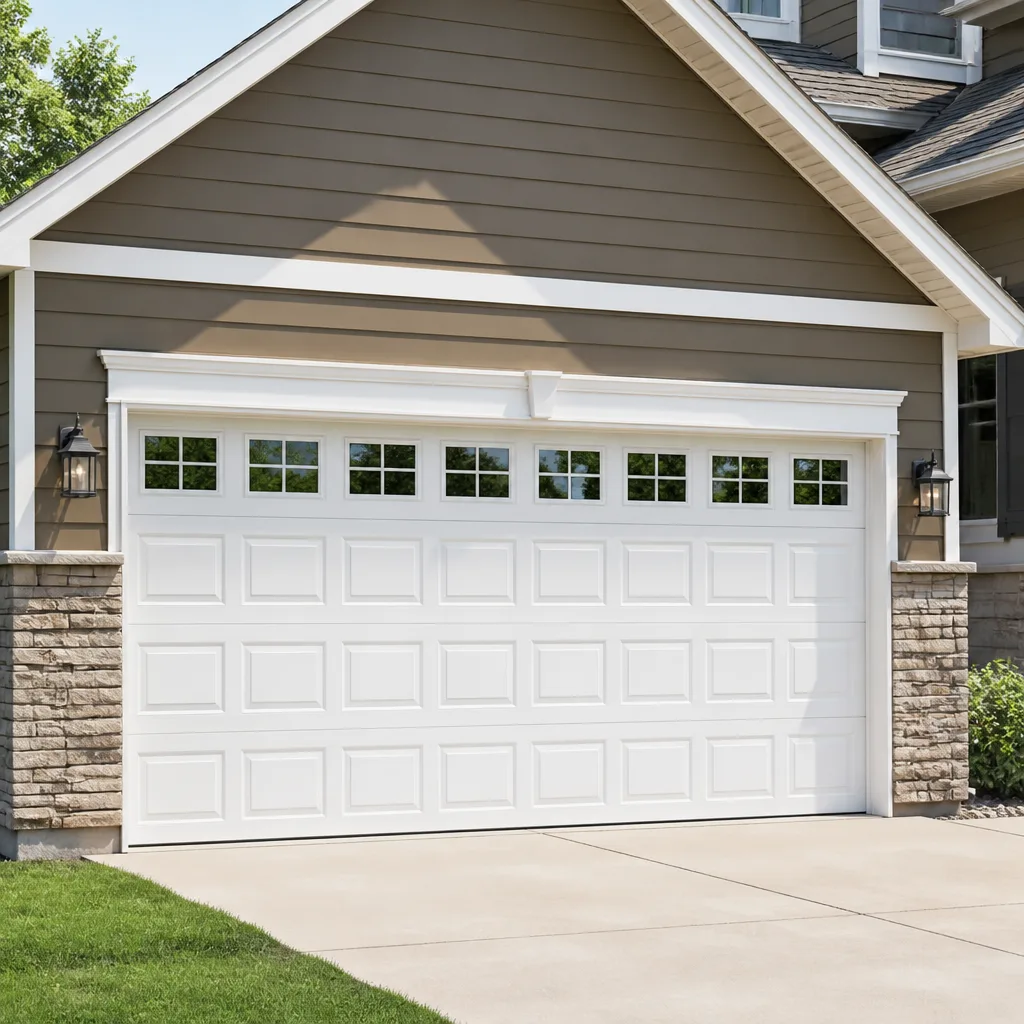 Raised-panel steel
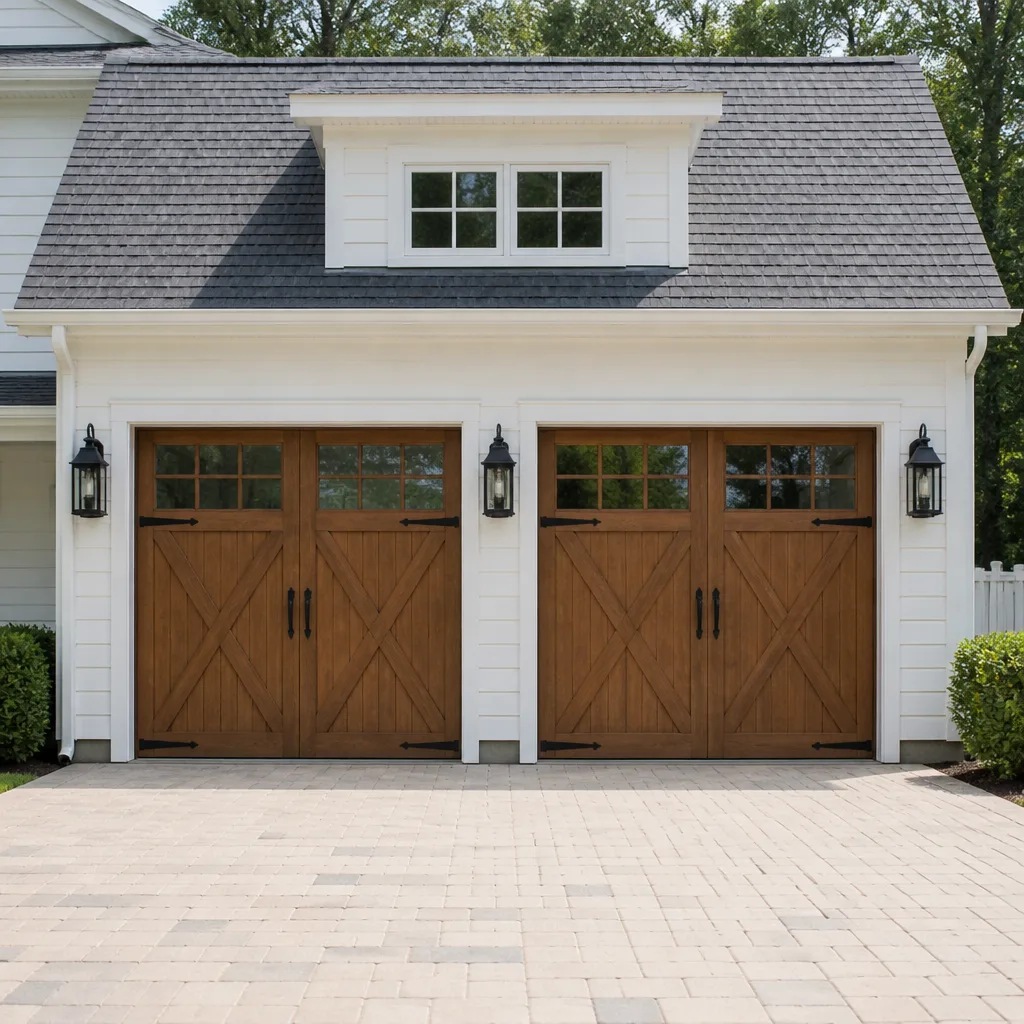 Carriage house
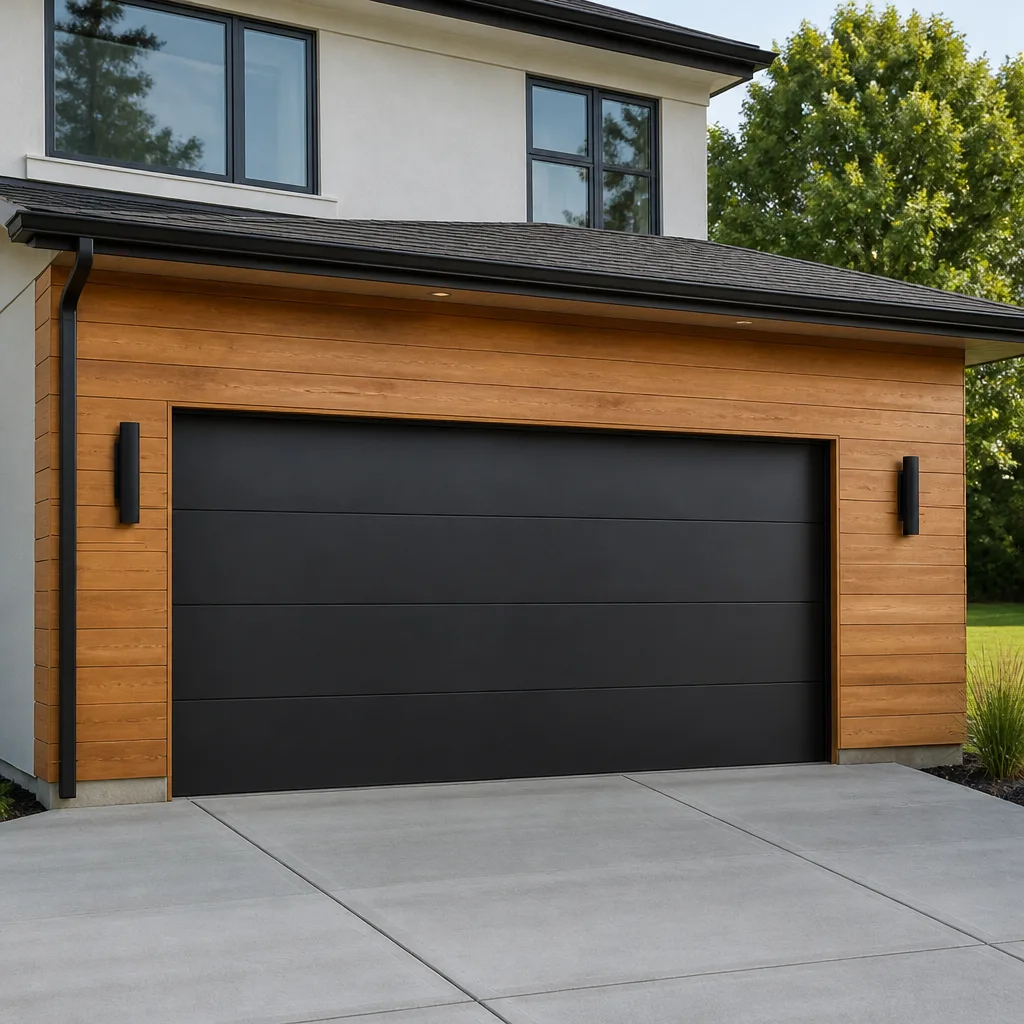 Modern flush
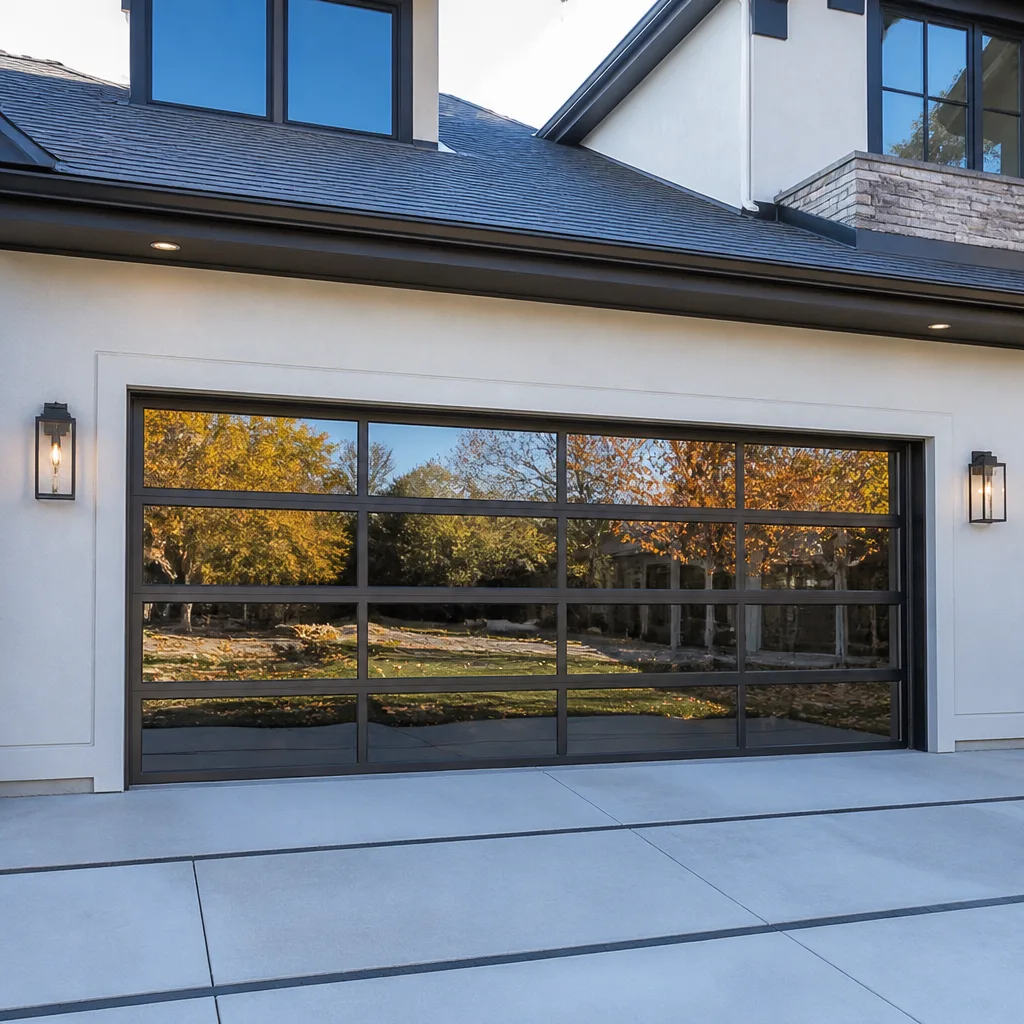 Full-view glass
 LiftMaster openers
 Chamberlain openers
Full 25-point door and opener safety check with every visit - springs, cables, rollers, tracks, and your LiftMaster or Chamberlain opener included
You get a price before we start. It does not change when the pro arrives.
Get your free estimateGarage Door Cost Breakdown: The Squirrel Hill Homeowner’s Reference for 2026
Most garage door quotes are too vague to check. You get “$150 to $900 depending on the problem,” which tells you nothing about whether the number in front of you is fair. Here’s the part that trips people up: a quote for “spring replacement” at $89 almost always means someone is proposing a single-spring conversion on a door that should run two springs. It cuts the bill today and doubles the labor when the solo spring snaps about 18 months later. This guide breaks garage door costs down to the component level for Squirrel Hill homeowners, using real Pittsburgh-market labor and the brand tiers that actually show up on invoices. You’ll learn what each job should cost, what drives the variation, and which line items signal a lowball.
Quick Answer
Garage door repair in Squirrel Hill typically runs $120 to $450 for common fixes like springs, cables, rollers, and seals, while a new installed door ranges from about $1,100 for a basic non-insulated single door up to $4,500 or more for an insulated double door with a polyurethane core. Opener replacement with installation usually lands between $350 and $800 depending on drive type and brand tier. Every price is an estimate until it’s set in a written quote you agree to before work starts.
Styles & brands we work with
- Raised-panel steel
- Carriage house
- Modern flush
- Full-view glass
- LiftMaster openers
- Chamberlain openers
Table of Contents
- What does component-level garage door repair cost in Squirrel Hill?
- Torsion vs. extension springs: why the price differs
- Opener cost breakdown by drive type and brand tier
- New door cost by material and insulation grade
- What legitimately drives price variation
- Red flags on low quotes
- How a typical repair estimate works, step by step
- How Pittsburgh winters affect door wear
What does component-level garage door repair cost in Squirrel Hill?
Component-level repair in Squirrel Hill typically runs $120 to $450 per job, and the best way to judge a quote is to see it broken down part by part. A garage door is a mechanical system with a handful of wear items, and pricing each one separately takes the guesswork out of whether a number is fair.
Here’s how the common repairs break down in the Pittsburgh market for 2026:
| Repair item | Typical estimated range |
|---|---|
| Torsion spring (one spring) | $180 – $340 |
| Torsion spring pair (matched) | $360 – $680 |
| Extension spring (one) | $120 – $220 |
| Cable replacement (per side) | $100 – $180 |
| Roller swap (full set) | $90 – $175 |
| Bottom seal replacement | $80 – $160 |
| Track realignment | $150 – $320 |
| Panel replacement (single) | $250 – $600 |
Those ranges assume a straightforward job with standard access. What pushes a repair toward the top of a range is usually hardware size, not “quality” – a heavier door needs thicker spring wire, and a low-headroom Squirrel Hill garage may need a different track setup. We work on springs, openers, panels, and tracks every day, and the honest quote is the one that names the part, its size, and the labor to fit it. If you want to read deeper on what a repair visit involves, our Garage Door Repair Squirrel Hill page covers the full service.
One more thing worth knowing: a spring price is for one spring. Doors that run a matched pair usually replace both at once, so the pair costs about twice the single. A quote that won’t clarify which of those you’re getting isn’t a complete quote.
Torsion vs. extension springs: why the price differs
Torsion springs generally cost more than extension springs because they carry the full weight of the door on a wound steel shaft, require more specialized tools and training, and take longer to install correctly. In Squirrel Hill, a single torsion spring typically runs $180 to $340, while a single extension spring costs $120 to $220. The gap reflects the technical training high-tension work demands, not markup for its own sake.
Torsion springs mount on a shaft above the door and twist to lift it. Extension springs stretch along the horizontal tracks on each side. Both store enough force to seriously injure someone who tries to handle them without the right winding bars and training, and a snapped spring can whip a cable across the garage in an instant. This is the reason we treat spring repair as its own service rather than a side task, and the reason we won’t walk a homeowner through a DIY replacement. A trained professional is the right call here, full stop.
Doors on the steeper driveways around Squirrel Hill often carry heavier insulated panels, which means thicker spring wire and a slightly higher cost than a lighter door running the same length of spring. That’s a legitimate price driver, and any tech should be able to tell you the wire diameter and length they’re quoting.
Opener cost breakdown by drive type and brand tier
A new opener installed in Squirrel Hill usually costs $350 to $800 depending on drive type and brand, and the drive type matters more than most homeowners expect. Belt drives run quietest, chain drives are the workhorses, screw drives are rare on new installs, and jackshaft openers mount on the wall beside the door for garages with low ceilings or tight clearances.
| Opener type / brand tier | Typical installed estimate |
|---|---|
| Chain drive, entry tier (e.g. Chamberlain B2405) | $350 – $480 |
| Belt drive, mid tier (e.g. LiftMaster 84501) | $480 – $650 |
| Belt drive, premium quiet (e.g. Genie 7055) | $550 – $750 |
| Jackshaft / wall-mount | $600 – $800 |
Brand familiarity saves time and errors. Chamberlain Group products – LiftMaster, Chamberlain, and Craftsman – share proprietary wiring and remote systems, so working within them is a different job than dialing in a Genie or Raynor unit. We’re factory-familiar with all three Chamberlain lines plus Genie, Raynor, Wayne Dalton, Amarr, and Clopay, which means diagnostics don’t stall on “which manual is this.” For a close look at opener servicing, see our garage door opener repair page.
Belt-driven openers are the common upgrade in Squirrel Hill homes where a bedroom sits over the garage. The motor noise drops noticeably. The price reflects the belt, the tensioner, and the quieter motor housing.
New door cost by material and insulation grade
A new garage door in Squirrel Hill typically runs from about $1,100 installed for a basic single non-insulated steel door up to $4,500 or more for an insulated double with a polyurethane core. Insulation grade drives more of the price than most people realize, and it matters through a Pittsburgh winter.
- 24-gauge steel, non-insulated: the entry tier. Light, functional, and fine for a detached or unheated garage. Roughly $1,100 to $1,800 installed for a single door.
- 25-gauge steel with two-inch polystyrene: a step up in dent resistance and a moderate thermal layer. Roughly $1,600 to $2,600 installed for a single.
- Polyurethane-core Clopay or Amarr: the densest insulation, quietest operation, and the best fit for an attached garage or one below living space. Roughly $2,200 to $4,500 installed depending on single or double and window inserts.
New door work is measured, ordered, and scheduled, not same-day. The right first step is a free measure and a written price so you know exactly what door and what installation cost before anything is ordered. Our garage door installation page walks through that process. If you’re comparing brands, Amarr and Wayne Dalton both make panels in the profiles common on Squirrel Hill streets.
What legitimately drives price variation
Spring wire diameter and length, cable drum size, and track radius are the three real drivers of price variation on a repair, and none of them is about “quality.” A tech who can tell you those specs is giving you a checkable quote; one who can’t is guessing.
- Spring wire diameter and length: a heavier door needs thicker wire and a longer coil to carry the load. Both raise the part cost directly.
- Cable drum size: the drum sets how the cable winds as the door travels. A worn or mismatched drum can wear out a new cable fast, so matching it is part of the job.
- Track radius: high-lift and low-headroom setups use different curved track, which changes installation time.
- Door weight and panel count: a double insulated door on a Squirrel Hill hillside home weighs noticeably more than a single non-insulated one.
- Access and clearance: a tight garage or a low ceiling adds labor, and low-headroom jobs may need a jackshaft opener instead of a ceiling-mount.
If a quote swings high and the tech can’t tie it to one of these factors, ask which. A straight answer is a good sign. A vague one is a reason to get a second written estimate. This kind of repair is our only trade, so we’ve seen how these parts wear and can match the spec to your door.
Red flags on low quotes
A low quote usually isn’t a bargain – it’s a quote with something stripped out, and the missing piece tends to surface on the invoice. Here’s what to watch for before you sign in Squirrel Hill.
- No spring cycling warranty in writing: a real spring quote states a cycle rating for the part, and a lowball one skips it.
- Trip charge buried in line items: the estimate should be free and the written price should be the price. A fee line you didn’t see up front is a red flag.
- Opener installs that exclude haul-away and wall button: taking the old unit and fitting a new wall button are part of the job, not add-ons.
- Single-spring conversion on a two-spring door: the $89 spring quote. It saves on the part and costs more in labor later.
- No part spec on the quote: if the tech can’t tell you the spring wire size or the opener model number, the quote isn’t complete.
We carry parts so a repair doesn’t stall waiting on an order, and we write the price before any work starts. That’s the standard to hold any quote to, whether it’s ours or someone else’s.
How a typical repair estimate works, step by step
A typical repair estimate in Squirrel Hill starts with a free assessment and ends with a written price you agree to before any work begins. Nothing gets started until you’ve seen the number. Here’s how the visit usually goes:
- You call and describe the symptom. A loud bang from the garage, a door that stops halfway, or an opener that hums without moving each points to a different part.
- A technician inspects the full door. Springs, cables, drums, rollers, tracks, and the opener get checked together, because a worn cable often wears out the spring it runs on.
- You get a written estimate. Parts, sizes, and labor are itemized, and the final price is the one on that sheet.
- You approve. No approval, no work. The price doesn’t change once the estimate is signed.
- The repair is done, and the door is tested. Balance, travel, and safety reverse get checked before the tech leaves.
For a repair that fits within dispatch hours, fast dispatch from 7am to 7pm means many jobs get handled same-day. For a broader look at what a repair visit covers, our garage door repair page has the details. A call outside dispatch hours is booked into the next opening.
How Pittsburgh winters affect door wear
Pittsburgh winters put real stress on garage doors, and Squirrel Hill’s hillside homes feel it more than most. Freeze-thaw cycles, road grit, and moisture all work on the door’s moving parts through the cold months, and a door that ran smoothly in October can start binding by January.
The wear shows up in predictable places. Steel rollers dry out and start to squeal, bottom seals crack and let in cold air, and springs carry a heavier load when the door’s tracks stiffen in the cold. On the slopes around Squirrel Hill, a door that faces the wind and snow gets more moisture on its tracks, which speeds wear on the cables and drums. A stuck or slow door after a cold snap is usually a sign that something needs attention, not that the door is failing.
Cold weather also changes how a door feels – panels contract, and an opener can sound louder as the metal shrinks. None of that is a reason to force a door that’s binding. A trained technician can tell a cold-weather stiffness apart from a failing spring or cable, and a quick look saves a bigger repair later.
Common Mistakes to Avoid
- Choosing the cheapest quote without reading it. The lowest number often hides a missing warranty or a stripped-out line item that shows up later. Compare what’s included, not just the total.
- Rushing a spring replacement alone. High-tension springs can cause serious injury without the right tools and training. A trained professional should do this work, and no cost saving is worth the risk.
- Replacing one spring of a matched pair. When one spring in a pair fails, the other is usually near the end of its life. Replacing just one often means a second repair sooner than expected.
- Ignoring the door spec on a new door. A polyurethane-core Clopay or Amarr is worth the cost on an attached Squirrel Hill garage, but on a detached one, a non-insulated door does the same job for less.
- Skipping the free measure on a new door. Ordering a door before a proper measure is how homeowners end up with an ill-fitting panel, and that’s costly to correct.
- Forcing a door that’s binding in cold weather. Running a stiff door can burn out the opener or cable. If it fights you, stop and have it checked.
- Forgetting the opener’s wall button and haul-away. A quote that leaves those off isn’t the real price. Ask what’s included before you approve.
See the difference
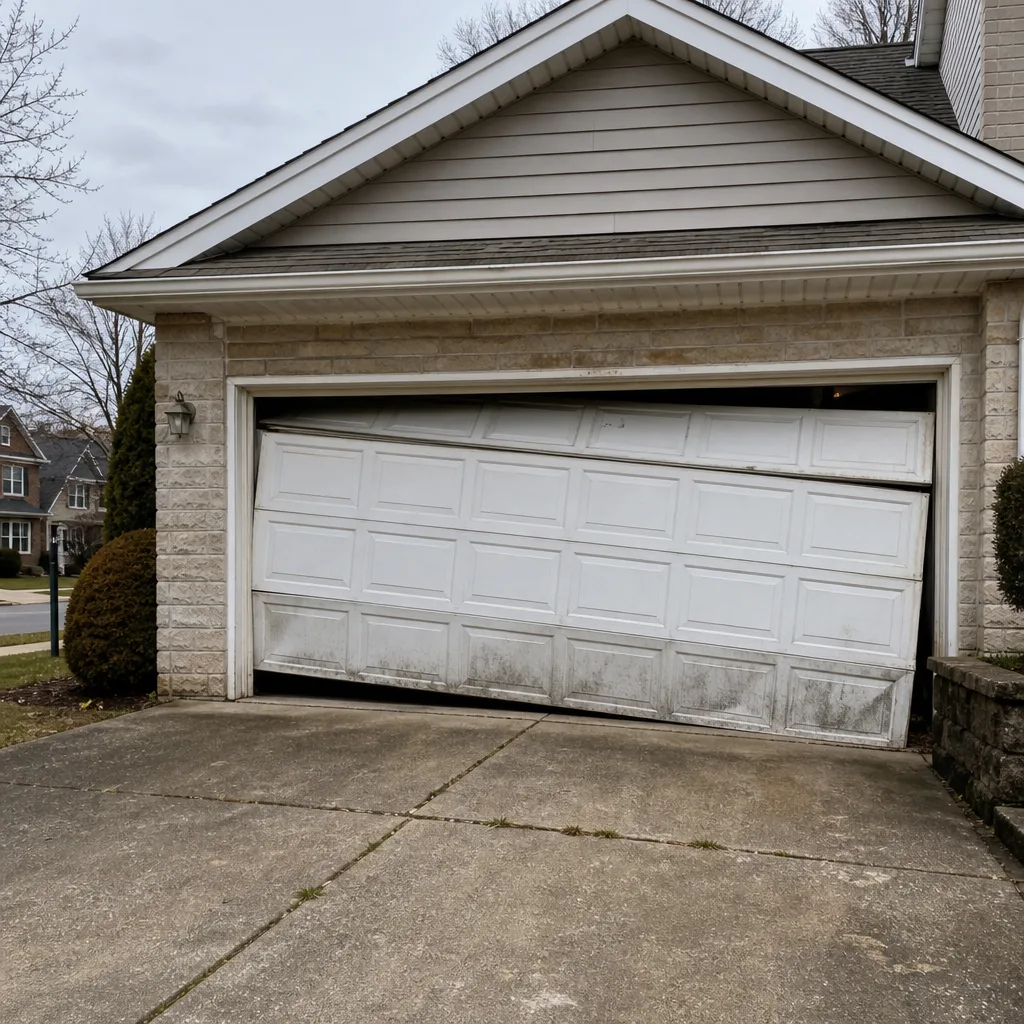 Before
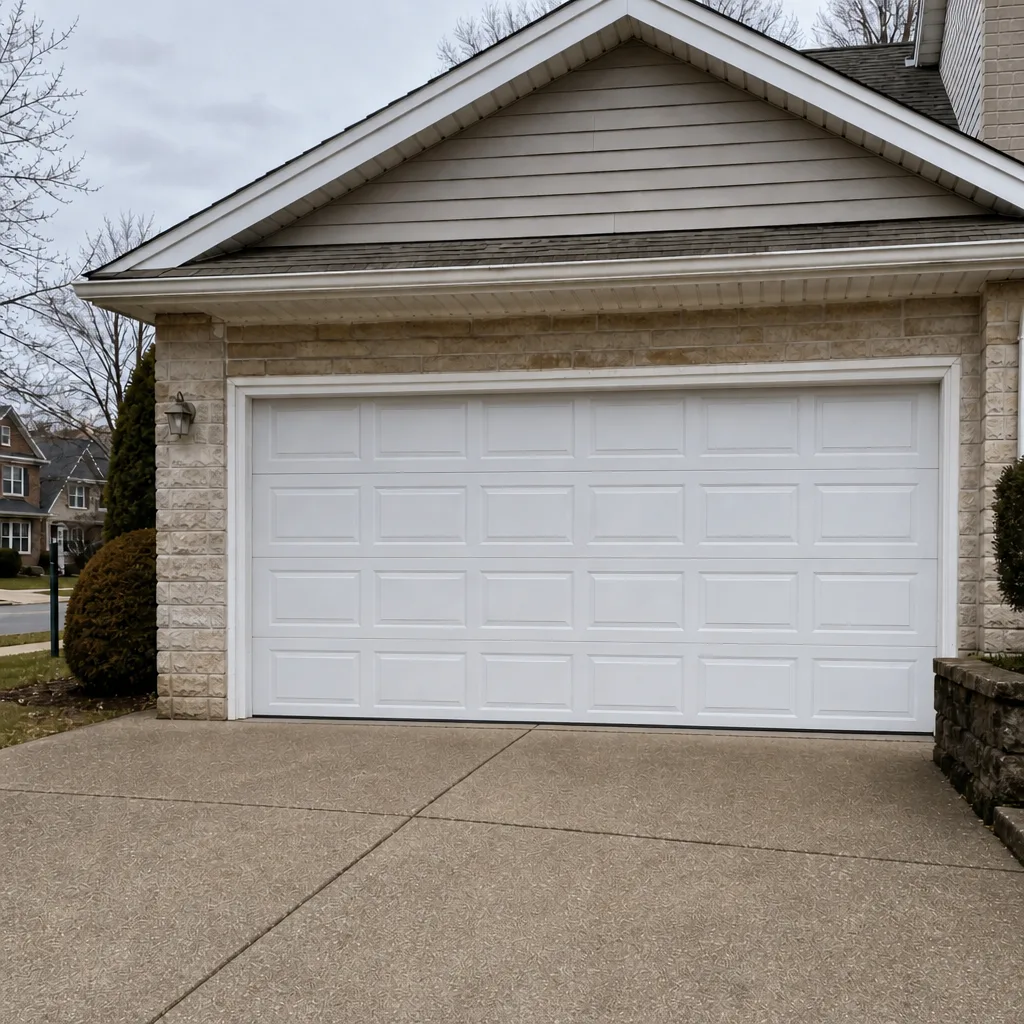 After
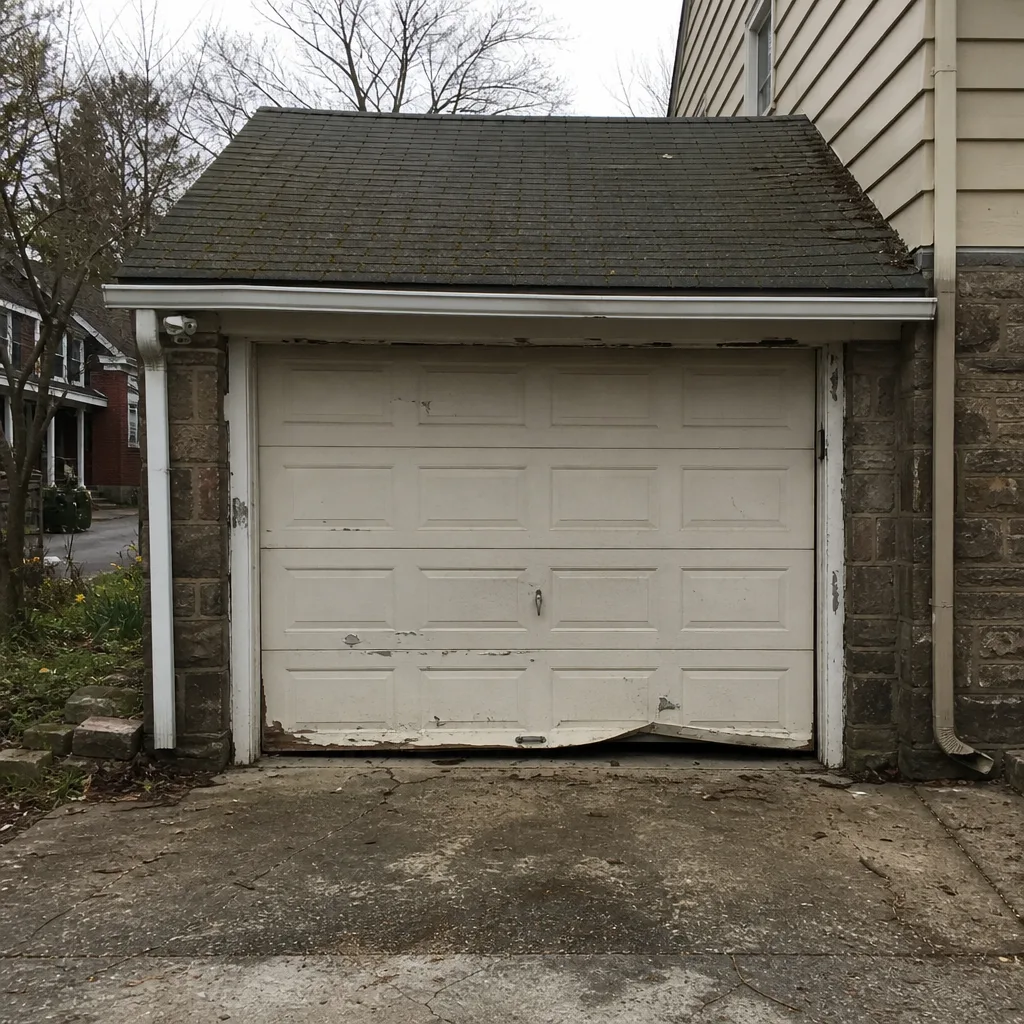 Before
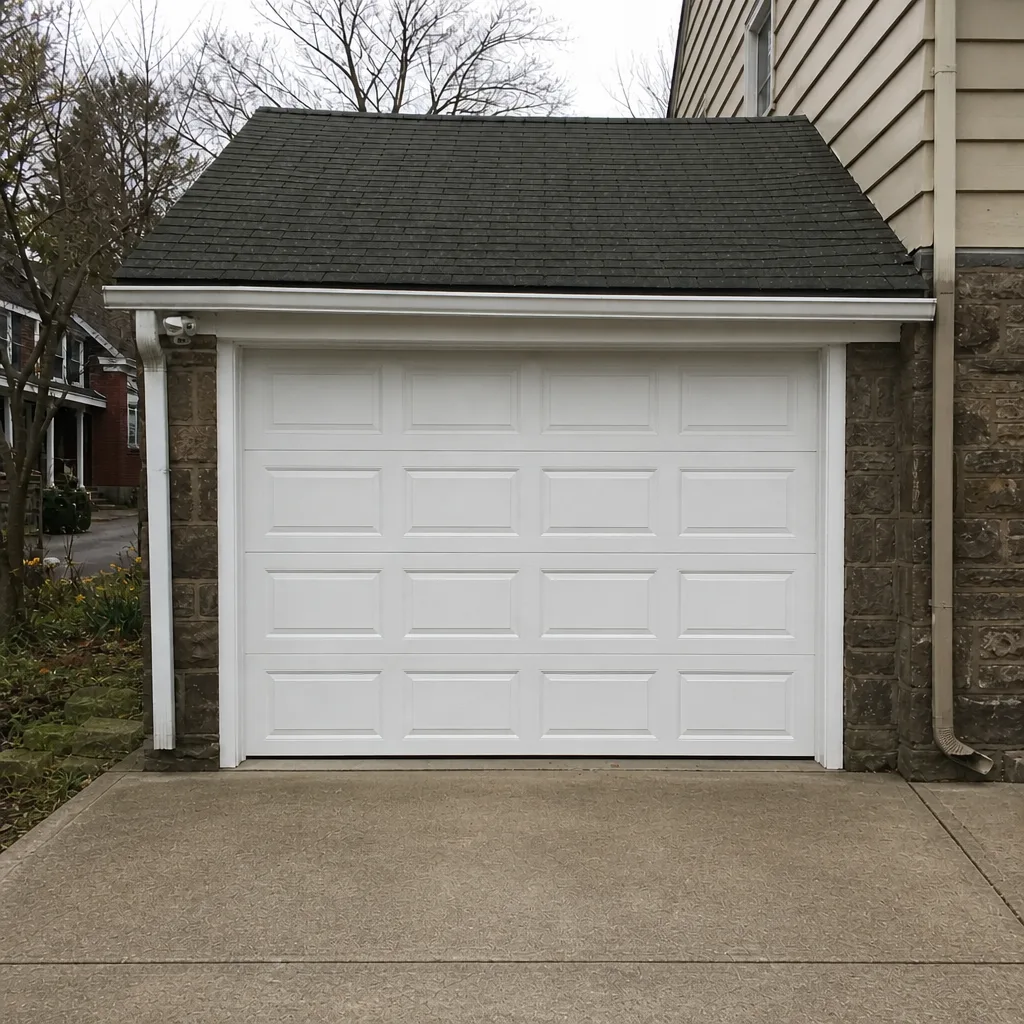 After
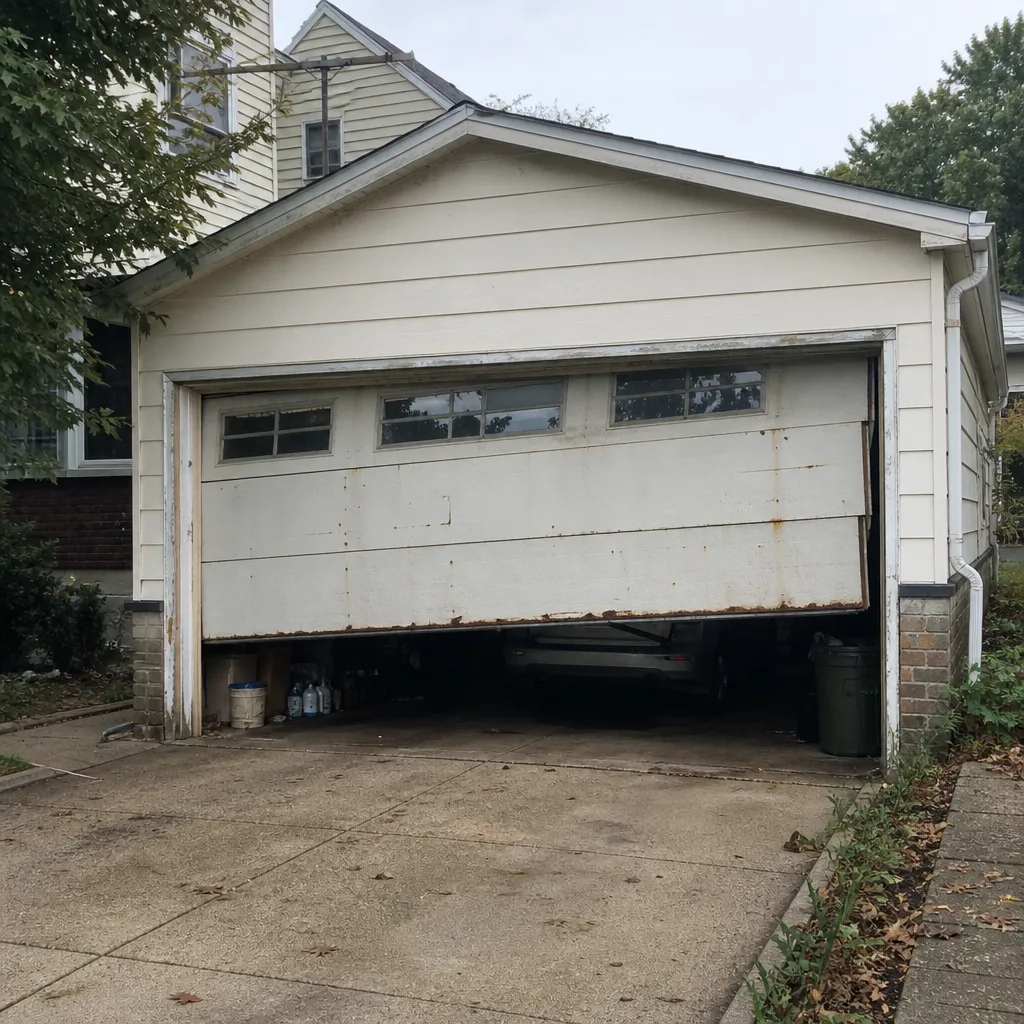 Before
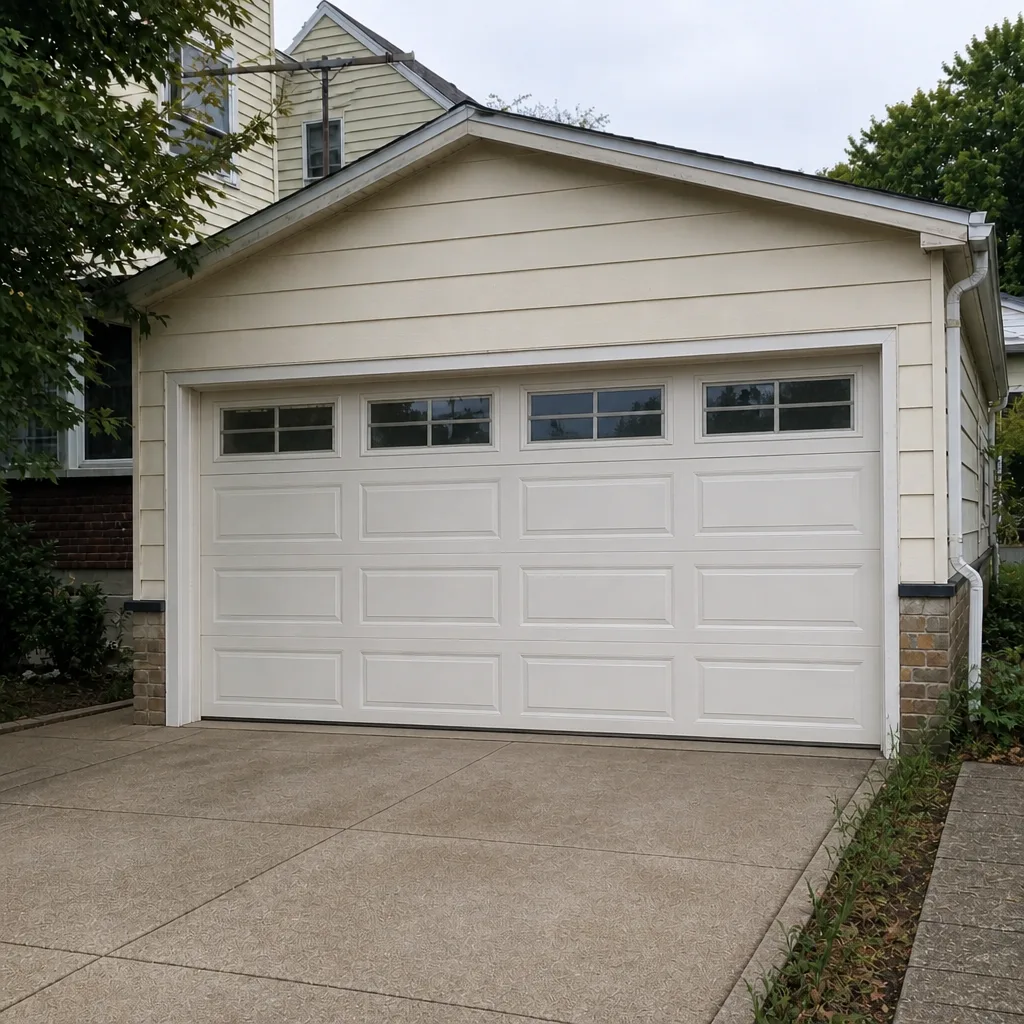 After
When to Call a Professional
Call a professional when a spring snaps, a cable frays, or a door comes off its tracks. A snapped torsion spring leaves the door too heavy to lift safely, and a frayed cable can fail without warning. An opener that hums but won’t lift, a door that reverses on the way down, or a panel that’s come loose from its hinge all point to parts that need a trained eye. Cold-weather binding that won’t clear is another sign, and so is a door that’s started to sag on one side. For any of these, a trained technician can diagnose the cause and quote the fix before touching a thing. In Squirrel Hill, call (833) 482-6529 for a free estimate. Our technicians have up to 10 years of experience.
Frequently Asked Questions
A single torsion spring repair in Squirrel Hill typically costs $180 to $340, and a matched pair runs about $360 to $680. Extension springs cost less, around $120 to $220 each. The written estimate sets the final price, and estimates are free. Call (833) 482-6529 for an exact quote.
For many repairs, yes. We answer 24/7, with fast dispatch from 7am to 7pm, Sunday through Friday. A call outside dispatch hours is booked into the next opening. Call (833) 482-6529 and we’ll find the soonest slot.
No. You get a written estimate before any work starts, and the price on that sheet is the price you pay. If we find something additional during the repair, we’ll tell you and get your approval before continuing. Estimates are free – call (833) 482-6529.
The local professional we connect you with is licensed and insured as their state requires, and works on garage doors exclusively. Our technicians have up to 10 years of experience and are familiar with the leading brands. Call (833) 482-6529 for a free estimate.
Yes, when the garage shares a wall or ceiling with living space. A belt drive runs noticeably quieter than a chain drive, and for homes where a bedroom sits over the garage that difference matters. Installed belt drives typically run $480 to $650, versus $350 to $480 for a chain. Call (833) 482-6529 for a quote.
A new door is measured, ordered, and scheduled rather than done same-day, and the timeline depends on the door and its lead time. The first step is a free measure and a written price. Call (833) 482-6529 to set up a measure for your Squirrel Hill home.
The Bottom Line
Garage door costs in Squirrel Hill come down to parts, not slogans. Know the component prices – a single torsion spring at $180 to $340, a pair at $360 to $680, an opener installed at $350 to $800, a new door at $1,100 to $4,500 depending on insulation grade – and you can spot a lowball before you sign. Watch for missing warranties, single-spring conversions on two-spring doors, and opener installs that leave out the wall button. Get the quote in writing, agree to the price before work starts, and let a trained technician handle the high-tension work. We work on all the leading brands, and garage doors are all we do.
Call (833) 482-6529 for a free estimate. We answer 24/7. Fast dispatch from 7am to 7pm, Sunday through Friday.
Written by the team at Garage Door Repair Squirrel Hill.