
Last updated November 23, 2026
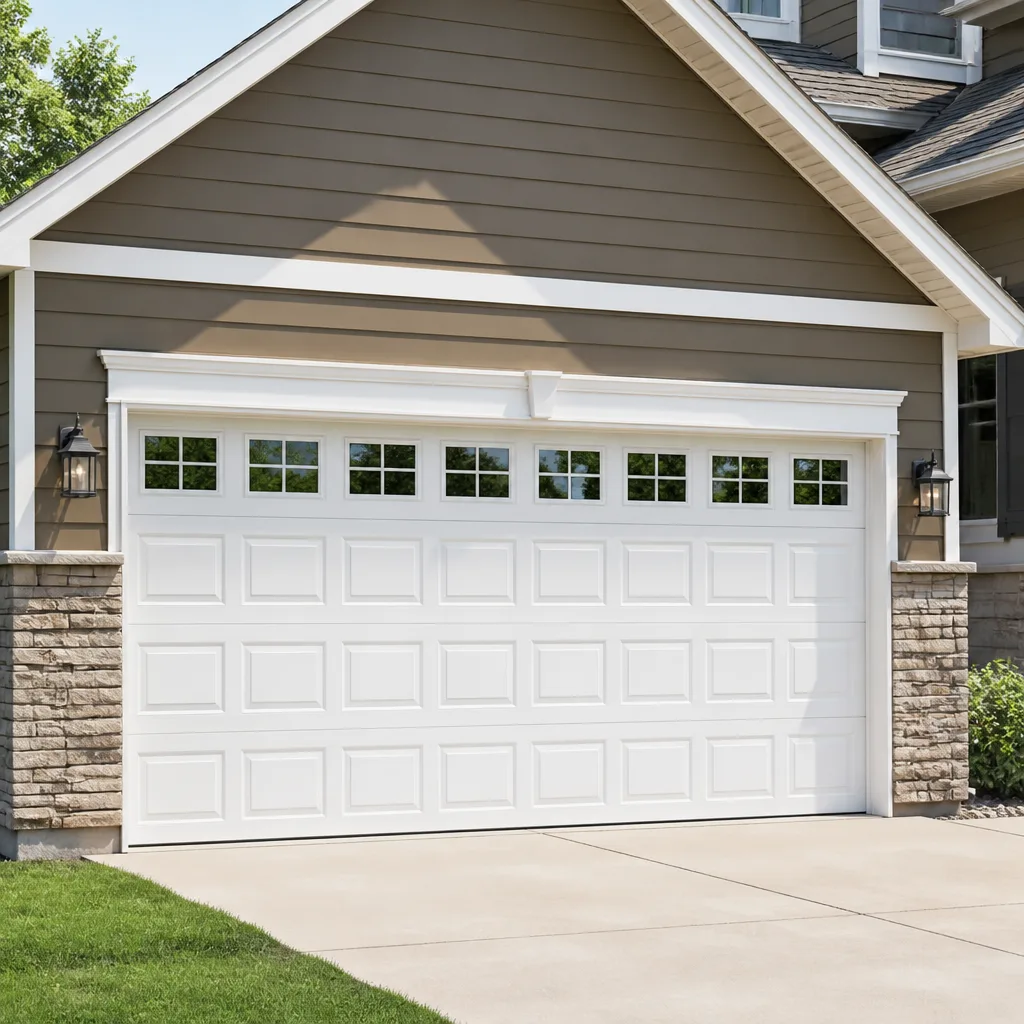 Raised-panel steel
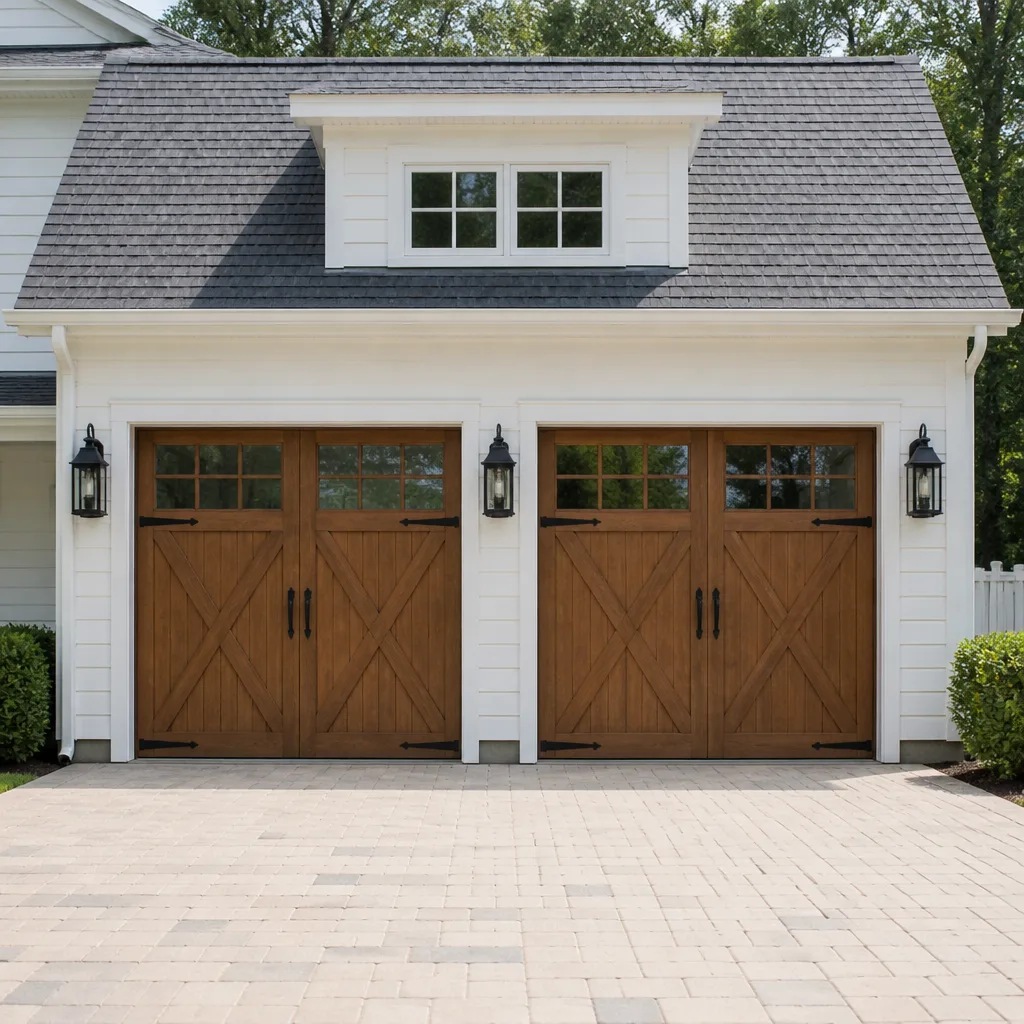 Carriage house
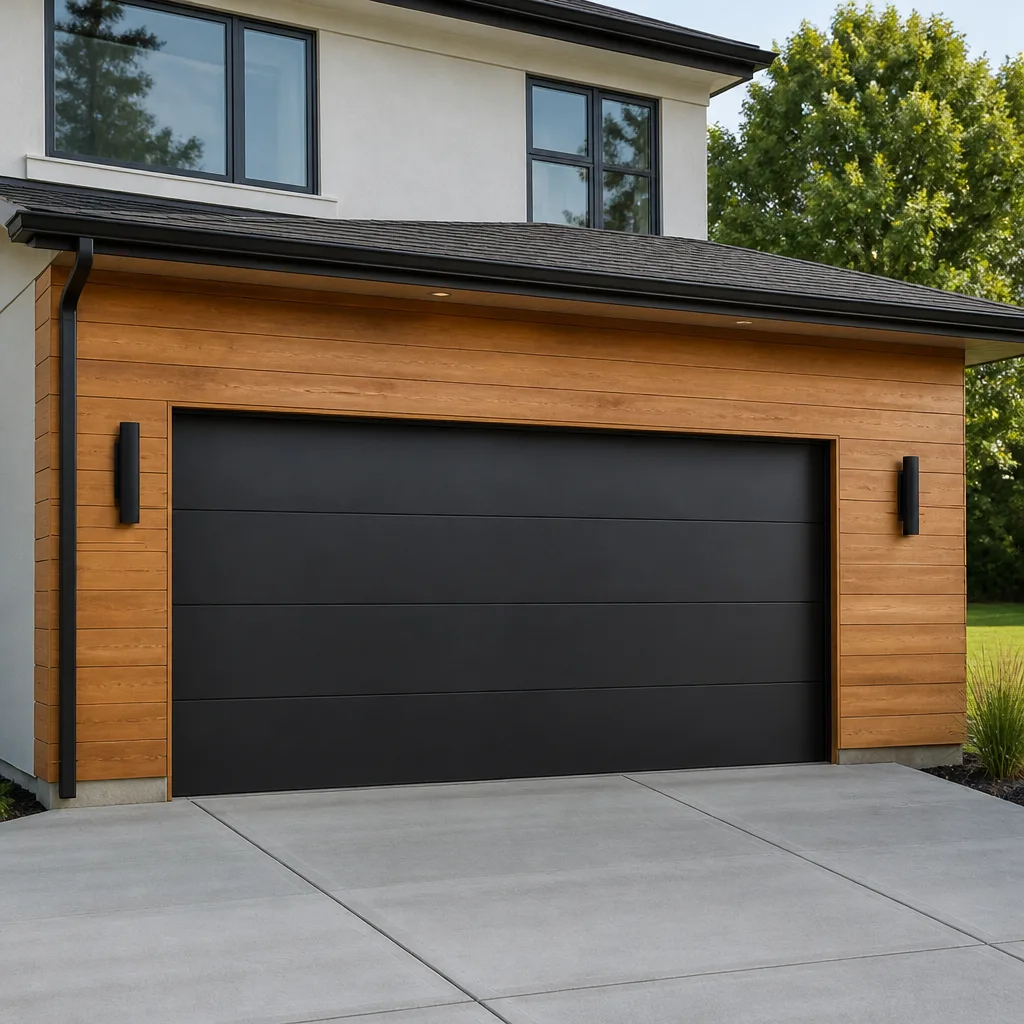 Modern flush
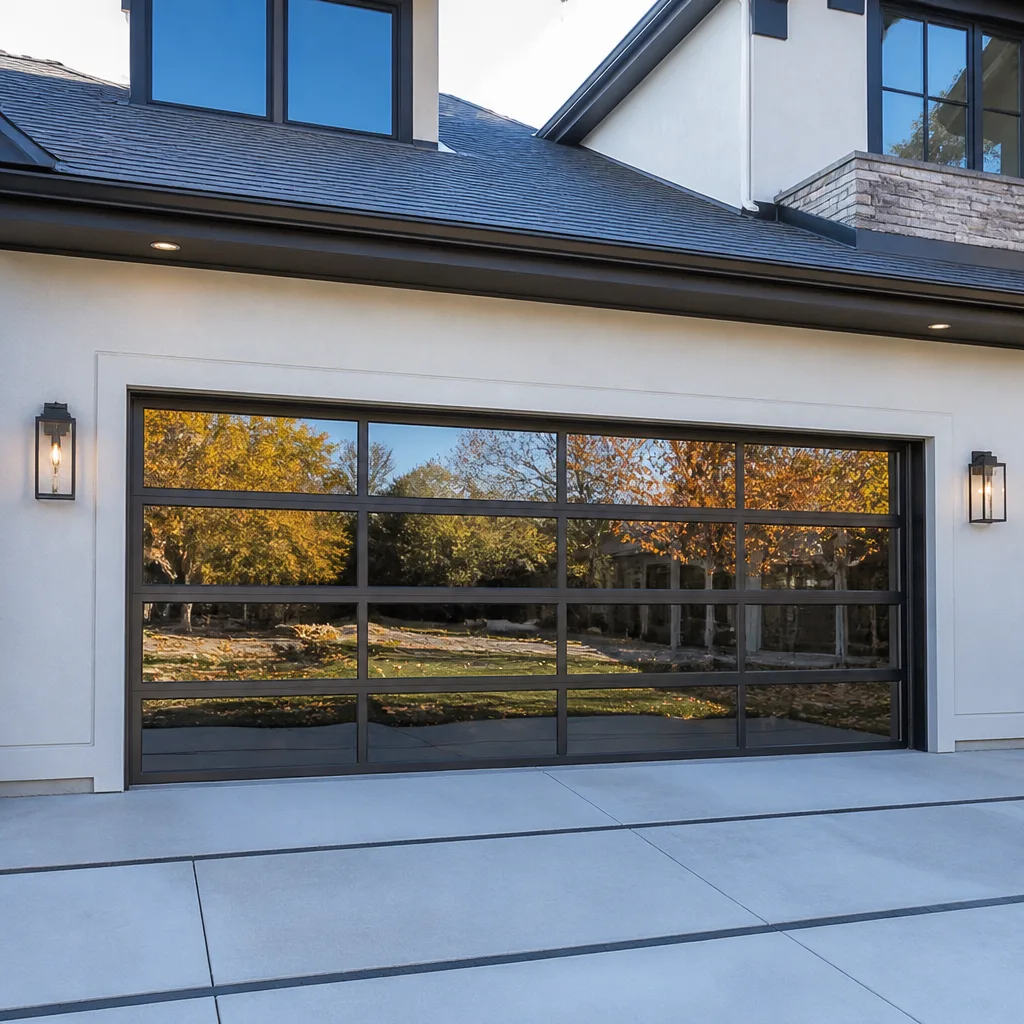 Full-view glass
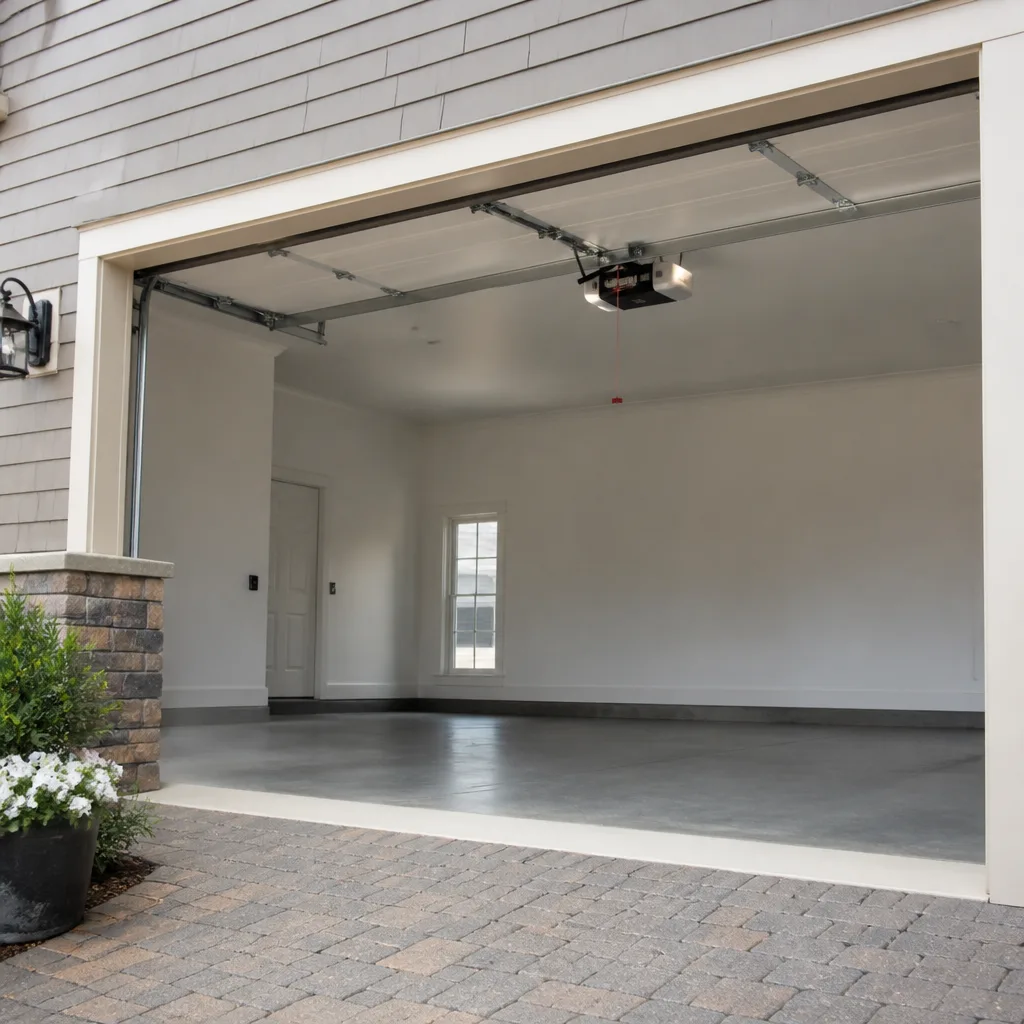 LiftMaster openers
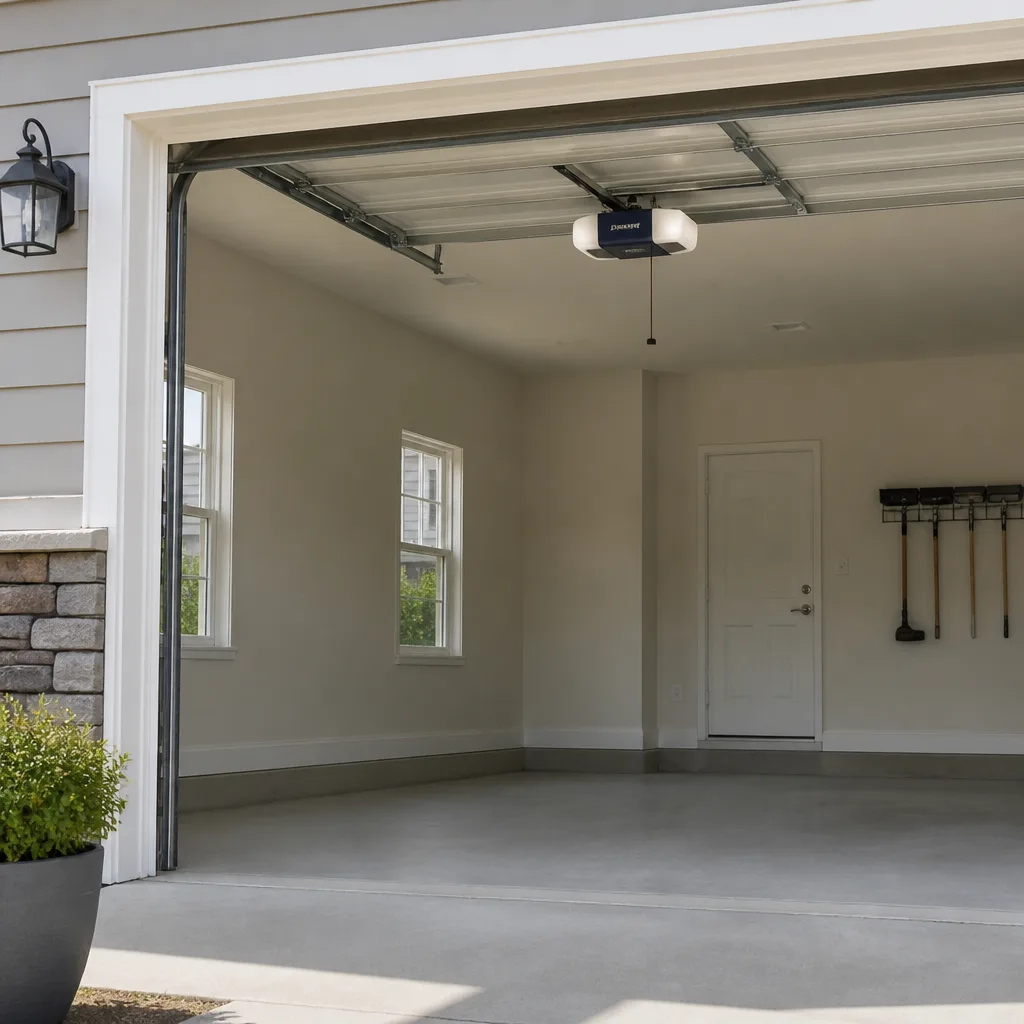 Chamberlain openers
Full 25-point door and opener safety check with every visit - springs, cables, rollers, tracks, and your LiftMaster or Chamberlain opener included
You get a price before we start. It does not change when the pro arrives.
Get your free estimateGarage Door Warning Signs: A Squirrel Hill Homeowner’s Reference Guide
Most warning sign articles tell you the door is broken. That’s not much help. By the time a door stops moving, the failing part has usually been announcing itself for weeks – in a grind, a hesitation, a gap at one corner. A garage door that pauses for two seconds before it moves isn’t an opener problem in most cases. It’s a spring system losing tension, and the opener’s logic board is compensating until it can’t anymore. This guide works backward from the symptom to the specific part behind it, so you can describe what you’re hearing and seeing in plain terms. Squirrel Hill homes have their own patterns, and we’ll flag them as we go.
Quick Answer
Garage door warning signs fall into four families: sound (grinding, squealing, popping, rattling), movement (uneven speed, sag on one side, corner gaps), opener behavior (slow response, mid-travel reversal, limit creep), and visible damage (frayed cables, spring gaps, bent tracks). Grinding usually means rollers or bearings. Squealing points to dry rollers or a worn opener gear. A sharp pop is a spring or cable letting go. Any of these is a reason to stop cycling the door and have it looked at before the opener or the panels take the damage.
Styles & brands we work with
- Raised-panel steel
- Carriage house
- Modern flush
- Full-view glass
- LiftMaster openers
- Chamberlain openers
Table of Contents
- What Each Sound Tells You About the Failing Part
- Movement Patterns and What They Reveal
- Using Opener Behavior as a Diagnostic Tool
- Visual Inspection Priorities, Ranked by Safety Risk
- The Door Feels Heavy Test
- Why Squirrel Hill Doors Age the Way They Do
- A Five-Step Triage You Can Do From the Driveway
- Common Mistakes to Avoid
What Each Sound Tells You About the Failing Part
Sound is the earliest signal a garage door gives, and it’s the one homeowners most often describe wrong. “It’s making a noise” covers everything from a $12 roller to a torsion spring on its last cycle. Here’s how we sort it when a customer in Squirrel Hill calls in with a noise complaint.
- Grinding: Usually the rollers or the hinges. A dry steel roller chewing against a worn track makes a low, continuous grind that tracks the door’s whole travel. If the grind is louder at the top of the run, the bearings in the end plates are the first suspect. Grinding is the slowest-moving failure on this list, which is why it’s also the easiest to ignore too long.
- Squealing: Two candidates. A high, thin squeal that rises and falls with door speed is usually a dry roller or hinge. A squeal that comes from the opener housing itself often points to a worn gear or sprocket inside the unit, which is common on older chain-drive LiftMaster and Chamberlain units once the drive gear wears down.
- Popping: This one deserves attention. A single sharp pop followed by a door that won’t lift is almost always a spring letting go or a cable snapping. A repeating pop or clunk at the same point in travel is more often a roller jumping a track joint. Either way, stop operating the door.
- Rattling: Loose hardware. Hinge bolts, the bottom bracket, the opener’s rail bolts. Rattling is rarely dangerous on its own but it accelerates wear everywhere else, because a loose door shakes its way through every component faster than a tight one.
One note on springs: torsion and extension springs are under extreme tension. Never try to adjust, unwind or remove one yourself. A trained technician handles that work with the right winding bars and the right sequence, and no driveway diagnosis changes that.
Movement Patterns and What They Reveal
Watch the door travel for a full open-close cycle. The way it moves tells you which system is failing – cable, spring, or track – before anything breaks. Squirrel Hill’s older housing stock, much of it built before the 1980s, has plenty of doors still running original hardware, so movement quirks show up more here than in newer subdivisions.
Uneven travel speed
A door that starts slow and speeds up, or vice versa, is usually fighting a tension imbalance. On a two-spring torsion system, one spring carrying more load than the other produces a door that hesitates on one side of the cycle. If the opener has to push harder at the bottom than the top, the springs are the first thing to check, not the opener.
Door sag on one side
Sag on one side is a cable or spring problem, almost never a door problem. A stretched or partially failed lift cable lets one corner drop lower than the other. Track misalignment can produce a similar look, but a true sag that persists when the door is fully closed points to tension loss, not the track.
Bottom-corner gaps during closing
A gap at the bottom corner of a closed door means the door isn’t landing square. Causes, in order of likelihood: a stretched cable, one spring losing tension, or a bent bottom section. Weatherstripping worn flat produces a thin, even gap all the way across. A wedge-shaped gap on one corner does not.
Using Opener Behavior as a Diagnostic Tool
The opener is a sensor as much as a motor. It reports what the door is doing through its own behavior, and most homeowners misread those reports as “the opener is going bad.” In our experience, a large share of openers replaced prematurely were fine, and the door underneath was the actual problem.
- Slow response to the remote or wall button: If the door eventually moves but takes a beat, the opener’s control board is processing a signal it doesn’t like – often a safety sensor that’s misaligned or a wall console losing contact. Genie and LiftMaster units both behave this way when the safety beam is dirty or knocked slightly out of line.
- Reversal mid-travel: The door starts down, stops, and goes back up. That’s the opener’s safety circuit doing its job. Causes include a misaligned photo-eye, a door binding on the track, or a force setting that’s too low because the door has gotten heavier. The last one is a spring problem wearing an opener costume.
- Limit creep: The door doesn’t quite reach the floor, or it slams instead of stopping softly. The travel limits have drifted. This is a setting issue and a mechanical one at the same time – if limits keep drifting after adjustment, the door’s balance is changing underneath, which points back to the springs.
- Opener runs, door doesn’t move: The motor turns but the door stays put. That’s a stripped drive gear, a broken torsion shaft coupling, or a snapped spring. On belt and chain drives from Chamberlain Group brands, the drive gear is the usual suspect.
If you’re not sure whether the problem is the opener or the door, our garage door opener repair team diagnoses both together. It’s the only reliable way to know which one you’re actually paying to fix.
Visual Inspection Priorities, Ranked by Safety Risk
Not every visible problem is equally urgent. Here’s the order we’d put them in, from stop-using-the-door-now to fix-when-convenient.
- Frayed or kinked cables: Look at the cables running down each side of the door. Any fraying, broken strands, or a cable that’s jumped its drum is a stop-immediately item. A cable under load that snaps can whip, and it can drop the door. Don’t touch it, don’t try to re-seat it, and don’t cycle the door.
- Spring gaps or a visibly stretched spring: On a torsion spring, a gap in the coil means the spring has broken. On an extension spring, a stretched or distorted spring means it’s lost tension. Both are dangerous. A broken torsion spring on a double-door system can leave the whole door’s weight on one spring or none, and the door may come down hard.
- Bent or misaligned tracks: Look down the length of each track from the driveway. A track that’s visibly out of line will pull the door off its rollers eventually. Not usually an immediate danger, but it accelerates everything else.
- Loose hinges and brackets: Grab a hinge at eye level and give it a gentle wiggle. Movement means a loose fastener. Left alone, a loose hinge deforms the panel around it.
- Worn weatherstripping and cosmetic rust: The bottom seal and the panel edges. A worn bottom seal lets in water, which rusts the bottom section and eventually the cables. Cosmetic rust on the panel face is a look problem, not a safety problem.
We handle all five categories as one job, which is what a Garage Door Repair Squirrel Hill visit is built around. Springs, panels, tracks, cables – the same team.
The Door Feels Heavy Test
This is the single most useful test a homeowner can run, and it takes about two minutes. It tells you whether your springs are doing their job or whether your opener is doing the springs’ job for them.
- Close the door fully and disconnect the opener using the manual release cord. That’s the red handle hanging from the opener rail. Pull it straight down.
- Lift the door by hand, slowly, about halfway up.
- Let go at the halfway point.
- A properly balanced door stays where you put it, or drifts very slightly. It should not fall.
- Now lift it from the closed position with one hand. A balanced door takes light, steady effort – generally in the 8 to 10 pound range at the handle.
If the door feels noticeably heavier than that, or if it drops when you let go at halfway, the springs have lost tension. That’s the conversation to have with a technician, not with a replacement opener. A door that’s heavy by hand will wear out any opener you put on it, Chamberlain and LiftMaster units included. Those brands build in force limits for exactly this reason, and a door that keeps tripping them is telling you the springs are done. Reconnect the opener before you call, or leave it disconnected and tell the technician which state it’s in.
Why Squirrel Hill Doors Age the Way They Do
Squirrel Hill sits in a part of Pittsburgh that sees real seasonal swing. Hot, humid summers, cold winters with repeated freeze-thaw cycles, and enough rain through the spring and fall to keep wood and steel hardware damp. That cycle has specific effects on a garage door.
- Springs cycle more. Every open and close is a full spring cycle, and the temperature swing from a cold winter morning to a warm garage in the afternoon puts the metal through expansion and contraction on top of the normal cycling. Torsion springs fail by cycle count, and Squirrel Hill doors don’t get a break.
- Wooden doors move. The neighborhood has a lot of older homes with wood-frame doors. Wood swells in humid weather and shrinks in the cold, which throws panels out of alignment and works fasteners loose.
- Steel doors rust at the bottom. Road salt tracked onto the driveway and splashed onto the bottom panel is the usual culprit. Rust at the bottom section is the most common failure point we see on steel doors in this neighborhood. Check the bottom edge of the door, not the face.
- Hillside driveways stress the door differently. Many Squirrel Hill driveways slope. A door on a sloped drive often runs at a slightly different angle than the tracks were designed for, which shows up as uneven wear on the rollers and a bit more noise than a flat-drive door.
None of this is a reason to expect a failure. It’s a reason to know what to look for. The warning signs on this list show up earlier in a climate with real seasons.
A Five-Step Triage You Can Do From the Driveway
Before you call anyone, run this sequence. It takes five minutes and it means the person on the phone knows exactly what they’re walking into.
- Listen to one full cycle. Close the door and open it. Note the sound at the start, the middle, and the end. Grinding, squealing, popping, rattling – name it.
- Watch the door’s travel. Does it move at a steady speed? Does one side lag? Does it hesitate at the start?
- Look at the cables and springs. From a safe distance, no reaching in. Any fraying or visible spring gap is a stop sign.
- Test the door’s balance by hand. Disconnect the opener and check the halfway point. Reconnect when you’re done.
- Note the opener’s brand and model. LiftMaster, Chamberlain, Genie, Raynor – the model number is on a sticker on the back or the side of the housing. Having it ready speeds up the repair.
With that information, you’re describing a specific problem instead of a general one. That changes the conversation. It’s also how our garage door repair team works – brand-familiar from the first call, because the more we know about which system you have, the less guesswork on the visit. If you’re weighing a replacement rather than a repair, we cover that too.
Common Mistakes to Avoid
- Replacing the opener when the door is the problem. A door that reverses, strains or stops mid-travel is usually telling you the springs have lost tension or the door is binding. A new opener on an unbalanced door fails the same way within a season.
- Greasing everything in sight. Tracks should be clean and dry. Grease on the track collects grit and gums up the rollers. The hinge points and the rollers’ bearings are where lubricant belongs, and a light application is enough.
- Adjusting the force settings to overcome a heavy door. Raising the opener’s force limit gets the door moving, and then it stops being able to sense an obstruction. That’s the safety feature gone. Never turn the force up to compensate for a heavy door.
- Ignoring a frayed cable because the door still works. A cable with broken strands is on borrowed time. The door working today isn’t evidence it will work tomorrow, and a failing cable under load is one of the more dangerous things on the whole door.
- Trying to wind or unwind a torsion spring. This is the injury we most want to prevent. Torsion springs are under enormous tension and a slip is not a small mistake. Leave it to a trained technician.
- Assuming rust on the face is the urgent problem. Rust on the bottom edge and rust around the hinges are the ones worth checking. Cosmetic rust on the panel face can wait. It’s easy to fix the wrong thing.
- Not knowing the opener’s brand and model. It’s the first question we ask, and the answer matters. A Genie behaves differently from a LiftMaster, and the diagnostic path is different. A photo of the model sticker solves it in seconds.
See the difference
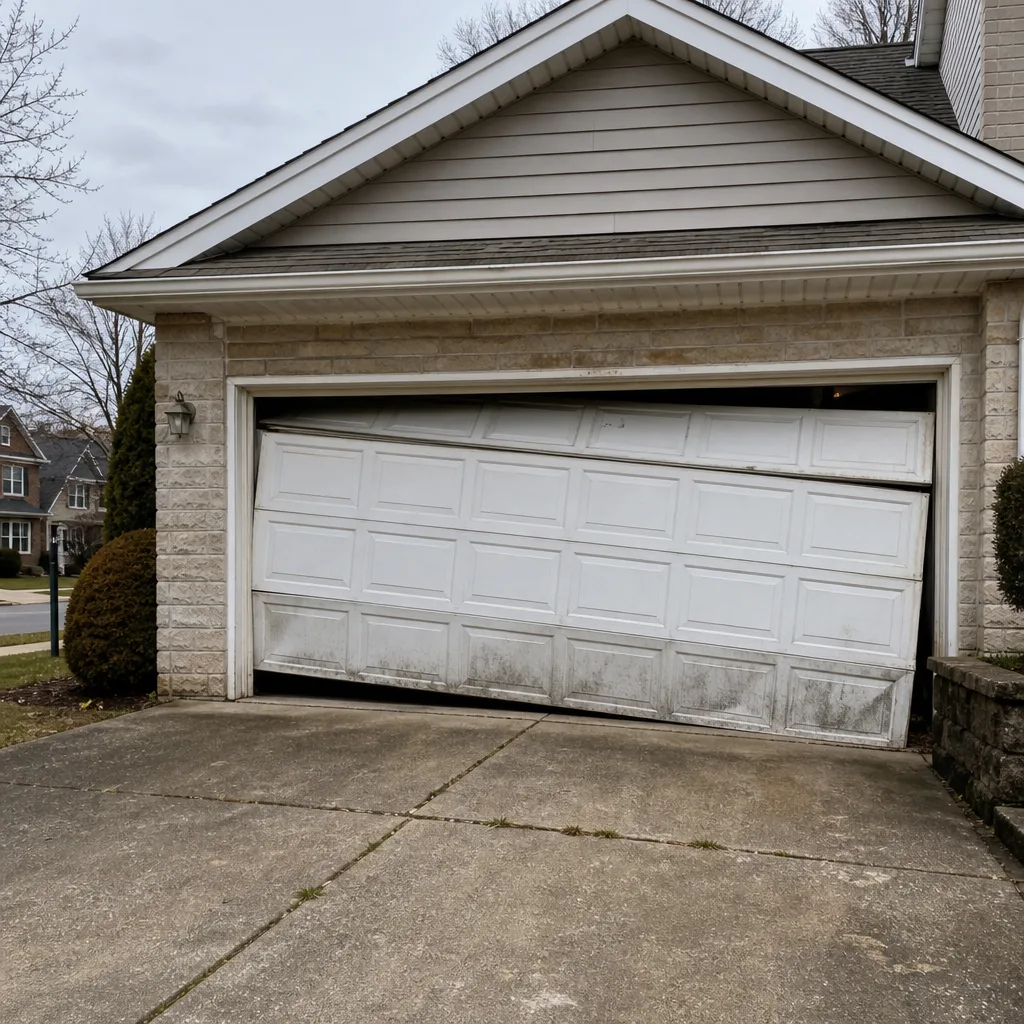 Before
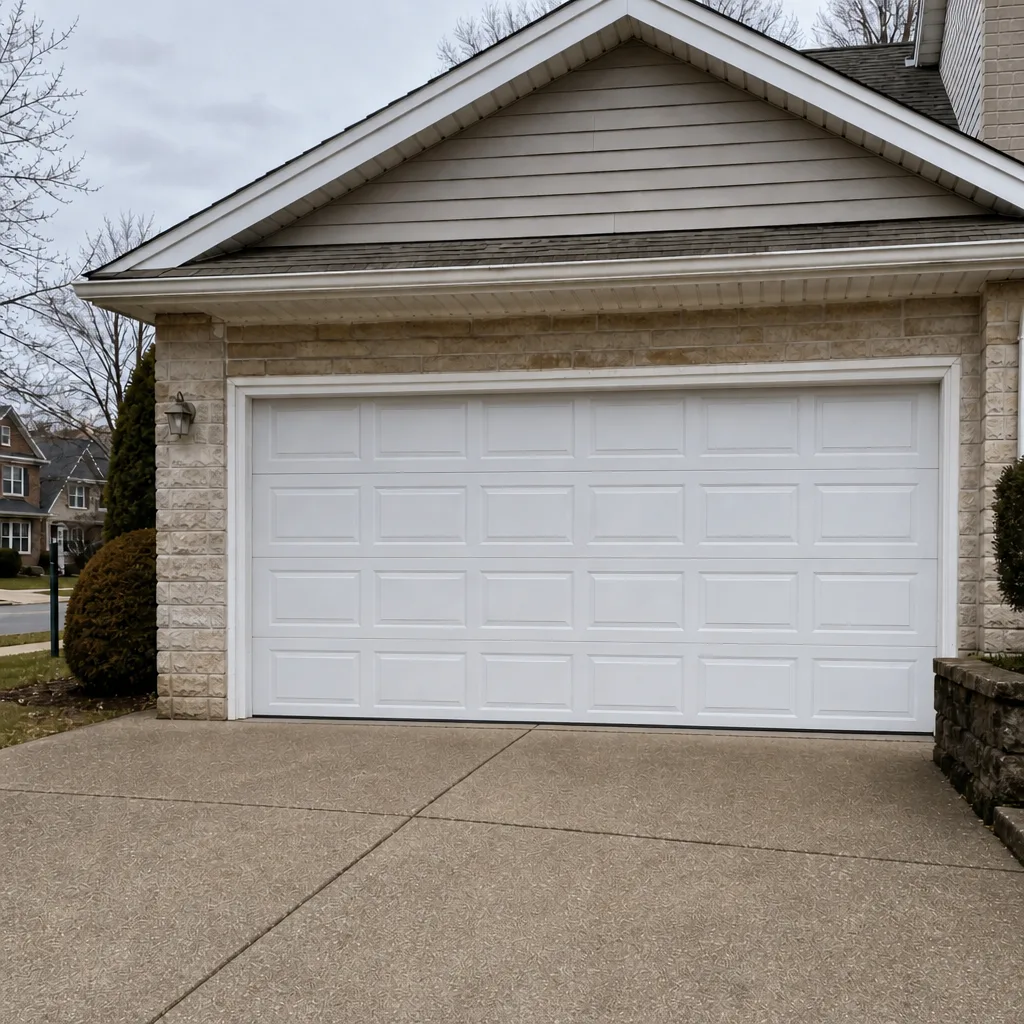 After
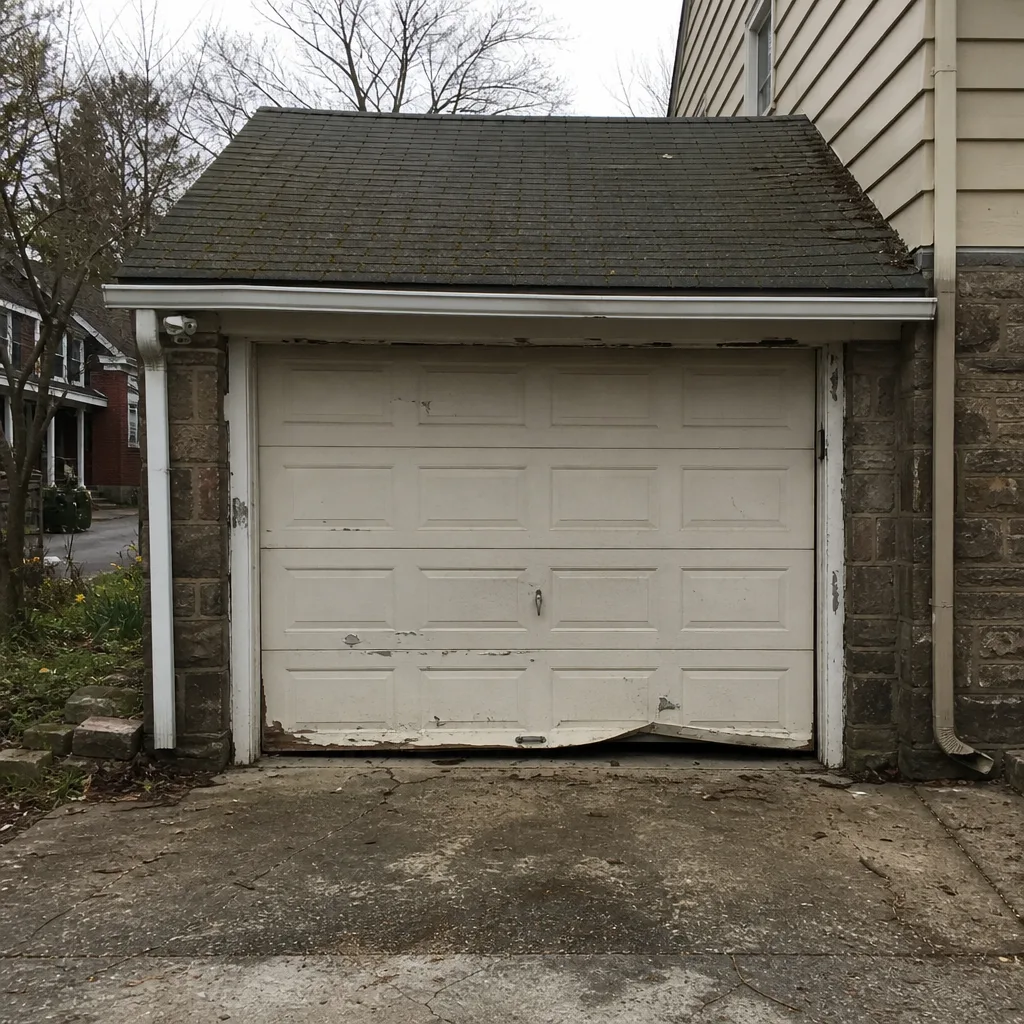 Before
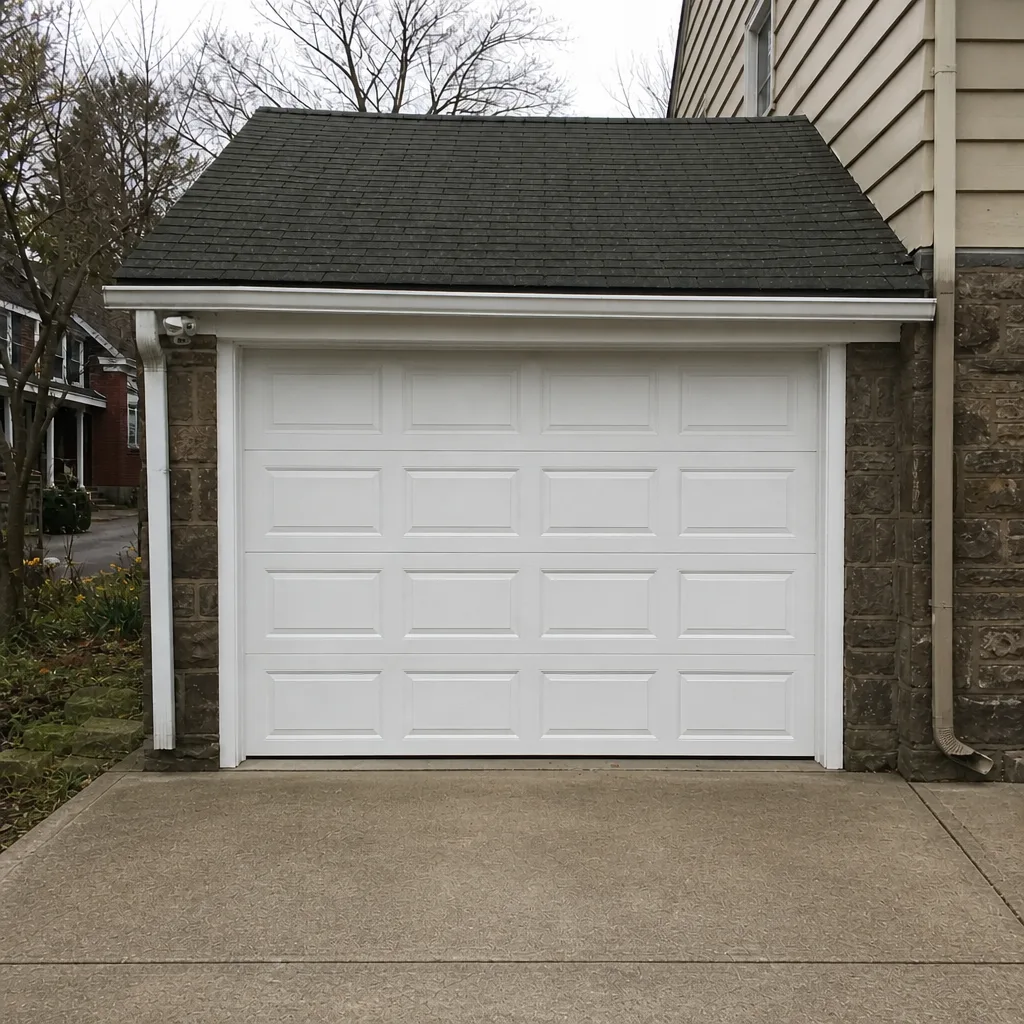 After
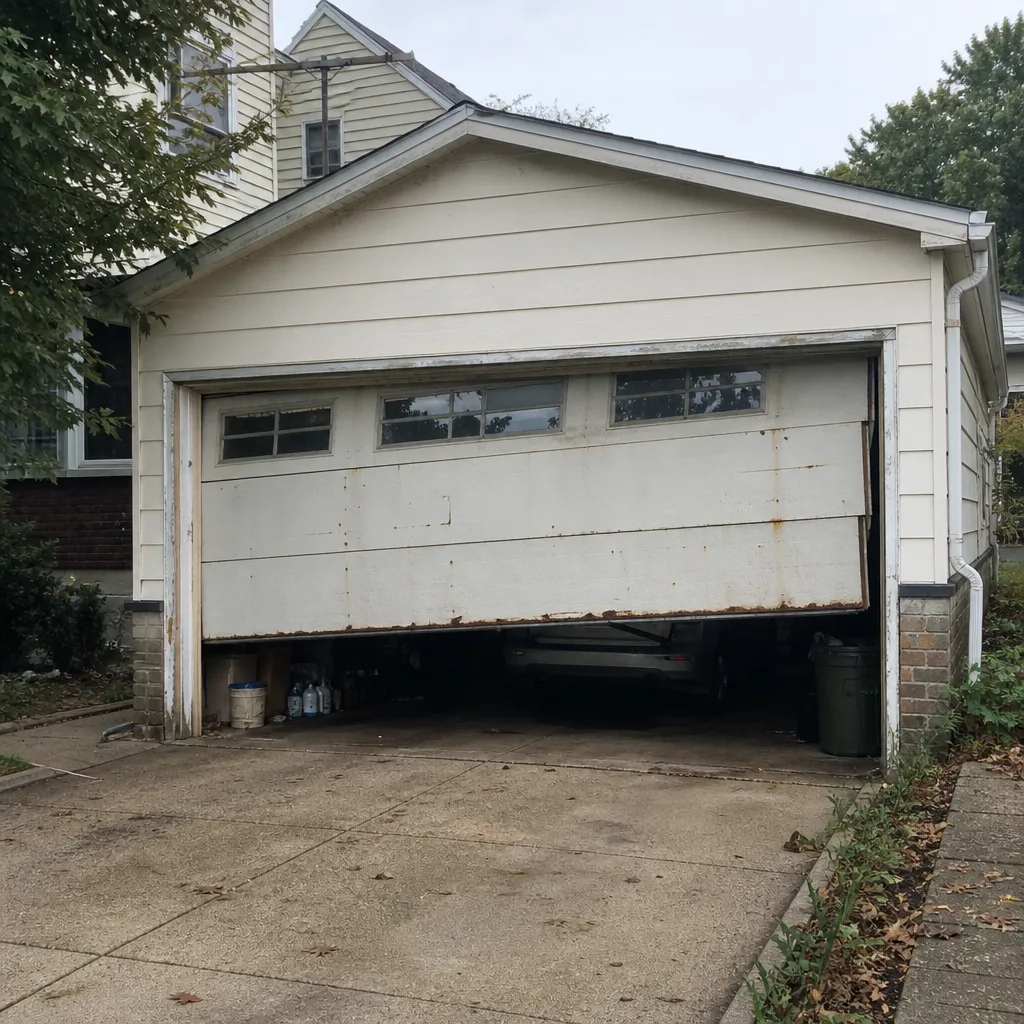 Before
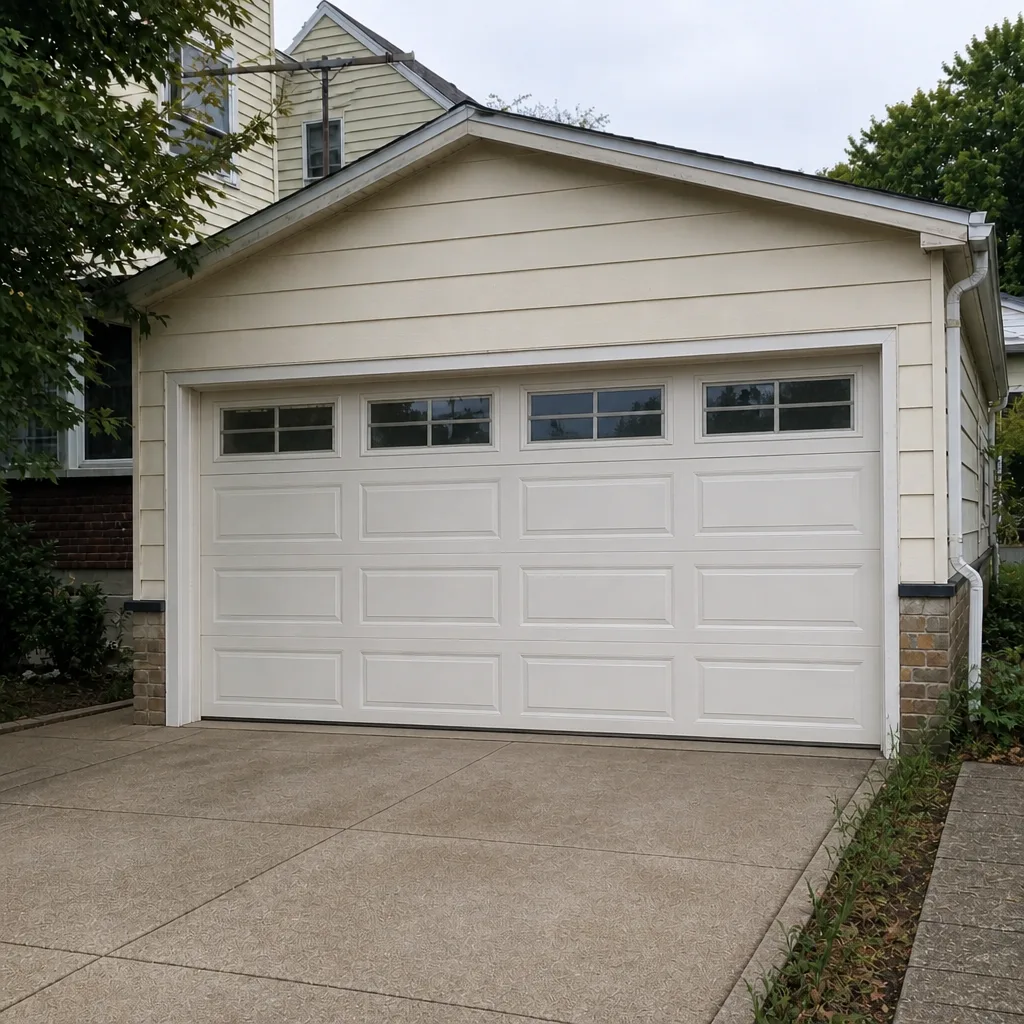 After
When to Call a Professional
Call when the door won’t move at all, when you hear a pop, or when you see a frayed cable or a gap in a spring. Those are stop-operating signs, not wait-and-see signs. If the door reverses on its own, if it won’t close fully, or if the manual weight test shows a door much heavier than 8 to 10 pounds at the handle, that’s a call as well – the springs are the likely cause and an opener isn’t the fix. Age alone is a reason: a door that’s been through many Squirrel Hill winters with original hardware is worth a look, even if nothing’s wrong yet. We can also source and supply the parts you need if you know what’s failing, which cuts a repair short by a trip. Garage Door Repair Squirrel Hill offers free estimates in Squirrel Hill – call (833) 482-6529. We answer 24/7, and fast dispatch runs from 7am to 7pm, Sunday through Friday. Our technicians have up to 10 years of experience with the brands you own.
If the door is beyond repair rather than failing, garage door installation is the other path, and we can walk through it with you.
Frequently Asked Questions
The most common warning sign we see is a door that hesitates or feels heavy at the halfway point on a manual balance test. That points to spring tension loss, which is the failure most affected by this climate’s seasonal swing. Call (833) 482-6529 for an exact quote – estimates are free.
Spring repair is priced per spring, and a matched pair is usually replaced together, so plan on roughly double the per-spring estimate for a pair. We quote the job in writing before any work starts, so the price you agree to is the price you pay. Free estimates, quoted per job – call (833) 482-6529.
Yes, we offer same-day service for doors that won’t open, and we’ll give you a realistic arrival window when you call. We answer 24/7, with fast dispatch from 7am to 7pm, Sunday through Friday. Call (833) 482-6529 for a free estimate.
No – the written estimate is the agreed price, and we don’t start work until you’ve approved it. If the diagnosis uncovers something additional, we explain it and quote it before doing it, and you decide. Free estimates – call (833) 482-6529.
The local pro who performs the work is licensed and insured as their state requires. Our technicians have up to 10 years of experience with all eight major garage door and opener brands, from LiftMaster and Chamberlain to Genie and Clopay. Call (833) 482-6529 for an exact quote – estimates are free.
We carry parts as a service, so we can source and supply components directly – rollers, hinges, cables, openers, whatever the repair needs. It’s faster than ordering it yourself and finding out it’s the wrong fit. Call (833) 482-6529 for a free estimate.
The Bottom Line
Most garage door failures telegraph themselves for weeks before the door stops moving. Learn the sound-to-component map, watch the door travel for uneven speed and corner gaps, read the opener’s behavior as a signal rather than a verdict, and run the manual weight test once a season. A door that passes that test stays lighter on its hardware and the opener lasts longer. In Squirrel Hill’s climate, the seasons do the rest. If something on this list matches what you’re seeing, don’t keep operating the door hoping it clears up. Springs and cables are a technician’s job. Call (833) 482-6529. We answer 24/7. Fast dispatch from 7am to 7pm, Sunday through Friday.
Written by the team at Garage Door Repair Squirrel Hill.